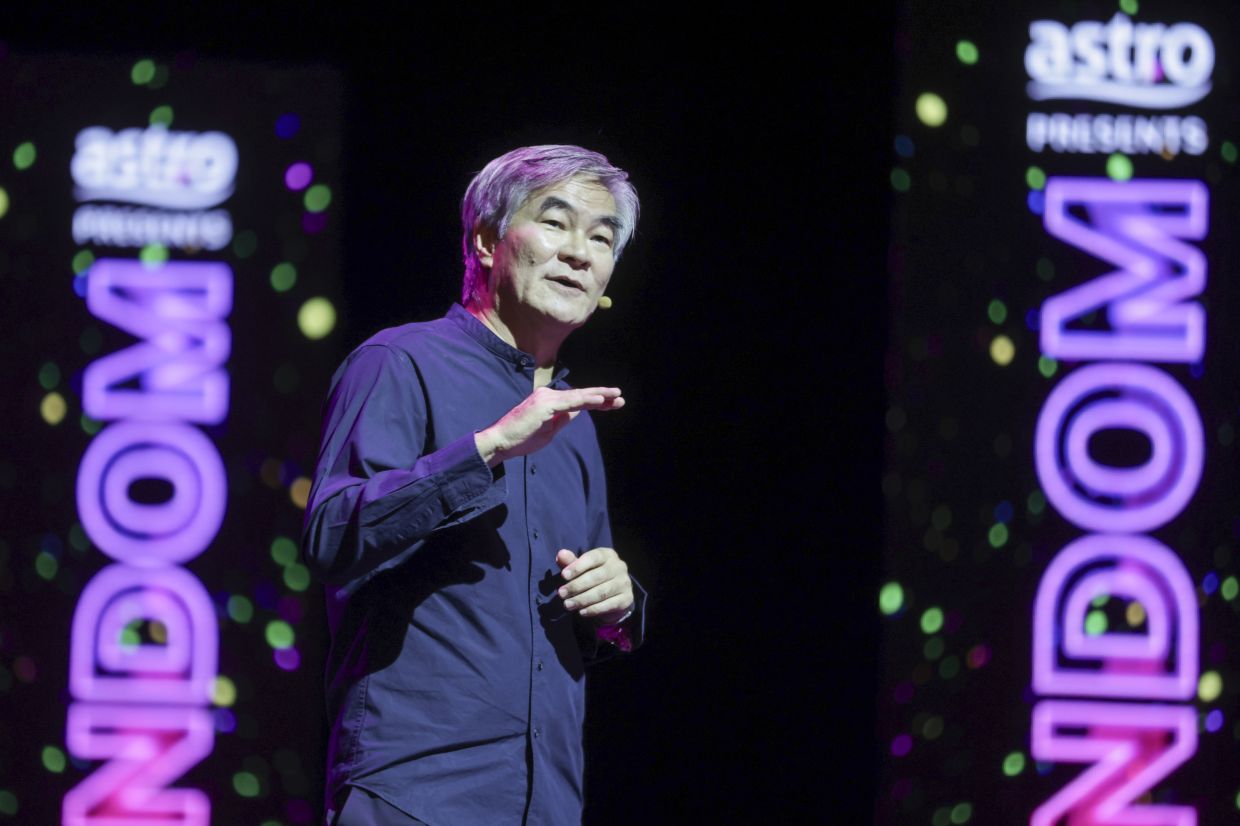
Astro has moved to reshape Malaysia's entertainment landscape with the introduction of Astro X3, a streaming-first service designed to lower barriers to entry for local content consumption. The new platform eliminates the need for physical installation or long-term contracts, allowing viewers to access live television and on-demand programming through any internet-connected device. Chief executive Henry Tan announced the initiative at a press conference on July 7, positioning the service as a response to evolving viewer preferences for flexibility and convenience in how Malaysians consume entertainment.
The service will go live on July 20, with monthly subscription plans commencing at RM39.99, making it considerably more affordable than traditional cable offerings. Users can stream content directly on compatible smart televisions, smartphones and dedicated streaming devices provided they maintain a stable internet connection. The tiered package structure allows subscribers to customise their viewing experience based on individual preferences, with offerings encompassing live channels, on-demand films and series, and sports programming. This flexibility reflects industry recognition that Malaysian consumers increasingly favour choice and control over subscription models that impose fixed commitments.
Recognising that immediate flexibility matters to potential subscribers, Astro plans to introduce a no-contract option in December, removing the final barrier to trial adoption. This phased rollout strategy suggests the company intends to gather user data and refine its offering during the initial contract-based period before opening to purely month-to-month subscribers. The timing aligns with the year-end holiday season when entertainment consumption typically peaks, positioning the company to capture maximum market share during peak viewing periods.
Beyond the service infrastructure, Astro has prioritised original content development as a cornerstone of its competitive strategy. The company unveiled an ambitious slate of dramas, films and live entertainment programmes created specifically for the platform, signalling investment in homegrown storytelling. This content-first approach acknowledges that streaming dominance in the region depends on compelling original material that competitors cannot easily replicate. By developing programmes rooted in Malaysian culture and experiences, Astro seeks to differentiate itself from international platforms that may lack local relevance.
Among the announced projects is a biographical drama centred on Karamjit Singh, Malaysia's legendary rally driver whose career has spanned decades. Actor Irfan Zaini, who takes the lead role, articulated a deliberate creative mission during the announcement: introducing the racing icon's story to younger generations, particularly Gen Z audiences, who may lack familiarity with Malaysia's motorsporting heritage. Zaini's comments reveal Astro's broader ambition to use streaming as a vehicle for cultural preservation and intergenerational knowledge transfer, positioning entertainment alongside education.
Portraying historical figures presents distinct artistic challenges that differ fundamentally from fictional characterisation. Zaini elaborated that working with a living legend required different preparation than typical dramatic roles, as he needed to honour an actual person's identity while creating compelling television. The actor's reflection underscores how streaming's emphasis on authenticity and contemporary storytelling demands higher fidelity to real-life subjects, particularly when audiences can verify performances against public knowledge and media records. This pressure to achieve biographical accuracy while maintaining dramatic momentum represents a significant creative undertaking in Malaysian drama production.
On the drama front, Astro is developing a romantic comedy series that pivots on football fandom, specifically centred on Arsenal supporters whose passionate engagement with the Premier League team catalyses romantic relationships. The production was filmed in the United Kingdom and features appearances from prominent current Premier League figures, granting the series genuine sporting credibility. This international production setting and celebrity involvement signal Astro's willingness to invest substantially in production values and marquee elements designed to attract football-enthusiast audiences throughout Malaysia and Southeast Asia.
Actor Kamal, featured in the Arsenal-focused drama, revealed an initially amusing miscalculation about the production's geography. He accepted the role believing filming would occur at Old Trafford, Manchester United's iconic stadium, only to discover later that creative changes necessitated relocating to the United Kingdom without his favoured club's home ground. Despite the unexpected shift, Kamal characterised the Emirates Stadium filming experience as unforgettable, noting opportunities to interact with professional players and watch competitive matches. His anecdote illustrates both the international scope of contemporary Malaysian drama production and the willingness of established performers to embrace unexpected logistical adjustments for quality projects.
Intan, making her dramatic debut in the same series, approached the overseas production with evident enthusiasm, distinguishing between previous work she had undertaken for Astro in documentary or reality formats. She emphasised that transitioning to dramatic storytelling represented a meaningful career evolution, suggesting that Astro's content strategy now encompasses diverse career pathways for Malaysian talent. The involvement of emerging performers alongside established names reflects industry-wide recognition that streaming platforms demand fresh talent development to sustain long-term content pipelines.
Astro's integrated strategy—combining accessible streaming infrastructure with substantial original content investment—addresses a fundamental challenge facing Malaysian entertainment companies. The region's growing internet penetration and smartphone adoption have created audiences increasingly willing to abandon traditional television in favour of on-demand alternatives, yet local platforms have struggled to compete with established international streamers offering extensive catalogues. By packaging affordability, convenience and culturally resonant original programming, Astro positions itself to capture subscription growth among price-sensitive Malaysian viewers who nonetheless value local storytelling and representation.
The July 20 launch date provides critical timing as Malaysian audiences emerge from Ramadan and Raya festivities, seeking entertainment options during the subsequent slow season. Premium positioning of sports content and dramatic programming likely aims to establish the platform's cultural relevance beyond mere content aggregation. Astro's willingness to invest in biographical dramas, international co-productions and emerging talent suggests confidence that Malaysian audiences possess sufficient appetite for quality original content to justify substantial production budgets, a significant strategic wager on the region's entertainment maturation.

