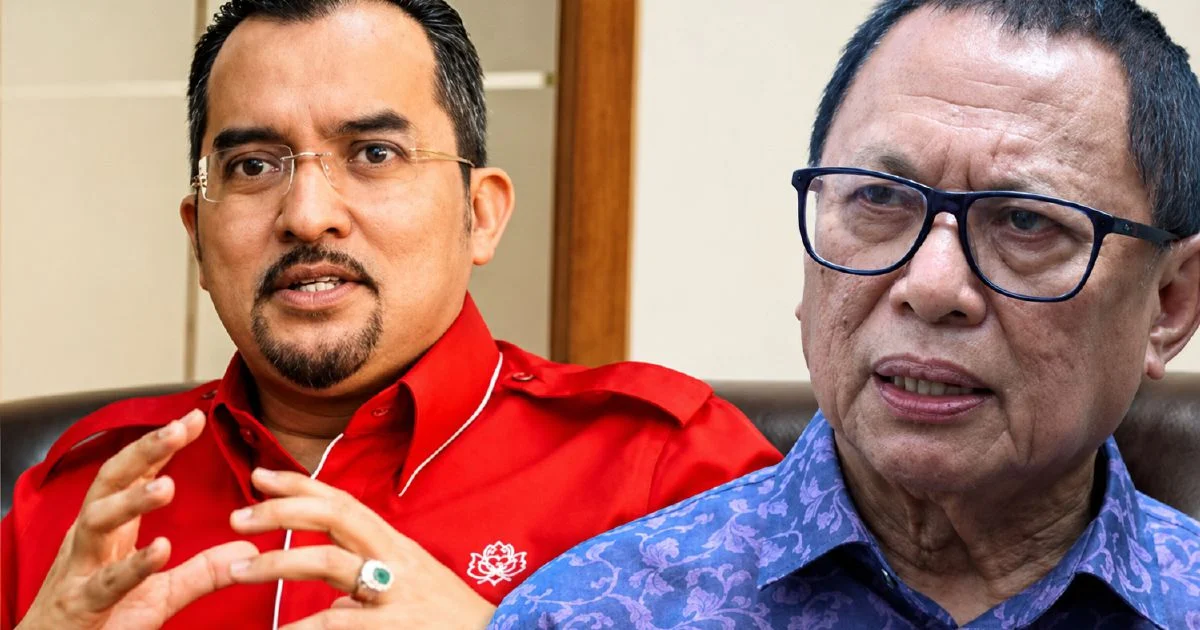
From his base in Johor Baru, UMNO secretary-general Datuk Dr Asyraf Wajdi Dusuki has mounted a robust defence of his party's position in the aftermath of Datuk Dr Mohd Puad Zarkashi's exit from the organization. The dispute represents a notable fissure within Malaysia's longest-serving political party, touching on sensitive questions about institutional relationships and internal party governance.
Puad Zarkashi's departure from UMNO marks another chapter in the ongoing internal tensions that have characterised the party's trajectory since the 2018 general election. His decision to step away from the organization appears to have triggered criticism from senior leadership, with Asyraf Wajdi choosing to respond directly rather than allowing the narrative to develop unchallenged. This defensive posture underscores the sensitivity surrounding recent departures and the party's determination to control its public messaging during a period of organizational restructuring.
The nature of Puad Zarkashi's allegations—which appear to involve claims regarding palace involvement in party matters—strikes at the heart of how Malaysian political institutions interact with constitutional monarchies. Such assertions, if permitted to circulate without rebuttal, could damage UMNO's standing among constituencies that place significant value on respectful boundaries between political and institutional spheres. Asyraf Wajdi's immediate response suggests the leadership recognizes the potential gravity of allowing such claims to dominate public discourse.
UMNO's organizational landscape has become increasingly fractious, with multiple senior figures departing or threatening departure over the preceding months and years. Each exit generates its own set of recriminations and counter-claims, creating a pattern that observers interpret as symptomatic of deeper structural problems within the party. That Asyraf Wajdi has chosen this moment to speak forcefully indicates that the Puad Zarkashi matter carries particular significance beyond routine internal disagreements.
The timing of this dispute arrives as UMNO attempts to rebuild its standing following electoral setbacks and the subsequent realignment of Malaysia's political landscape. The party's role in government coalitions remains contested territory, with questions about leadership direction and strategic positioning creating persistent uncertainty. Internal discipline becomes therefore not merely a matter of organizational neatness but rather a crucial element of the party's capacity to present a unified front to both allies and opponents.
Puad Zarkashi's specific allegations regarding palace involvement represent terrain that demands careful navigation from party officials. Malaysian constitutional arrangements place the monarchy in a position of symbolic and practical significance that transcends ordinary politics. Suggestions that institutional actors have improperly influenced party proceedings could be interpreted as implying either excessive political engagement by royal institutions or, conversely, improper attempts to instrumentalize institutional authority. Neither interpretation sits comfortably within conventional understandings of how these spheres typically interact.
Ashraf Wajdi's willingness to engage in direct rebuttal rather than delegating the response to spokespersons underscores the seniority of the matter and perhaps his personal investment in managing the narrative. As secretary-general, he carries responsibility for party cohesion and public representation, making his involvement in this dispute both predictable and symbolically important. His intervention signals that leadership takes the allegations seriously enough to warrant personal attention.
The broader context of UMNO's travails extends beyond individual departures to encompass questions about the party's future trajectory and its capacity to remain relevant within Malaysia's evolving political configuration. Recent years have witnessed significant organizational challenges, including leadership disputes, electoral disappointments, and shifting coalition dynamics. Against this background, incidents like Puad Zarkashi's resignation gain amplified significance, potentially serving as markers of deeper institutional dysfunction or simply as normal attrition within a large political organization navigating transition.
For Southeast Asian observers tracking Malaysian political developments, disputes of this character illuminate how established parties manage internal conflicts and protect institutional relationships during periods of flux. The mechanisms through which senior figures respond to departures, the sensitivity surrounding particular categories of allegations, and the emphasis placed on swift rebuttal all offer insights into how political organizations maintain coherence and legitimacy under pressure.
The response from Asyraf Wajdi also reflects calculations about audience beyond the immediate UMNO membership. Government coalition partners, potential swing voters, and institutional actors all represent constituencies whose perceptions may be shaped by how party leadership addresses these allegations. A forceful rebuttal serves multiple functions simultaneously: reassuring the faithful, signalling strength to skeptics, and attempting to preempt alternative narratives from gaining traction within media coverage.
Looking forward, the trajectory of this dispute may depend on whether Puad Zarkashi intends to elaborate on his allegations or whether the matter gradually fades from public attention. UMNO's capacity to move beyond this incident without further fragmentation will likely depend on whether internal grievances find additional vocal advocates or whether the party can successfully quarantine this incident as an isolated matter requiring no systemic response.

