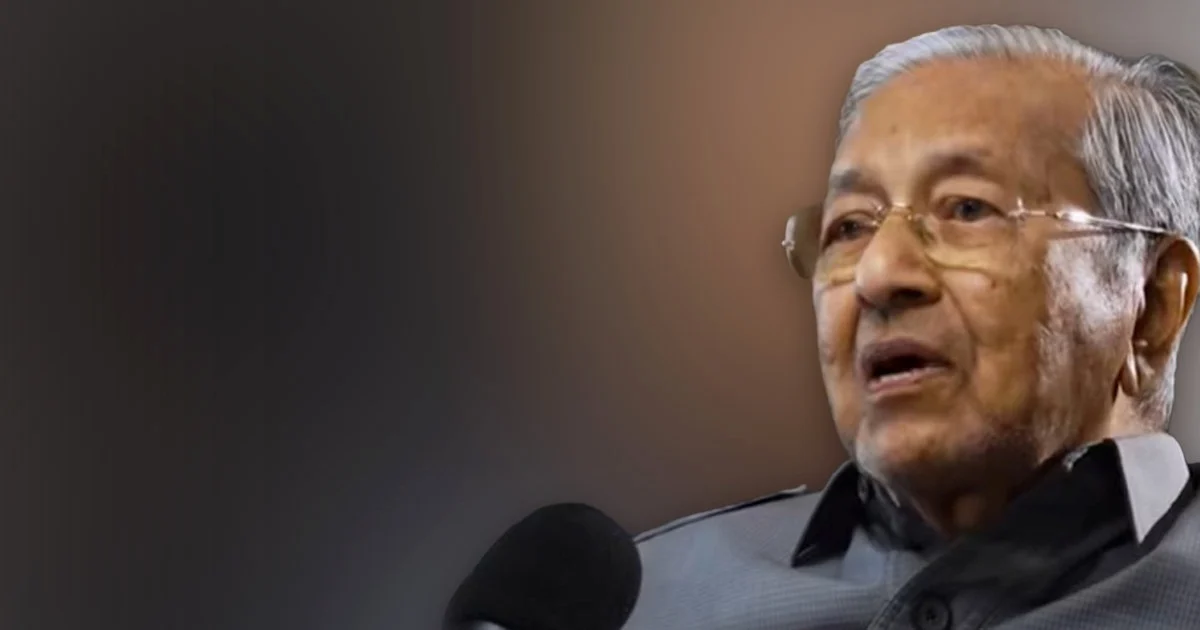
At 101 years old, Tun Dr Mahathir Mohamad has become something of a living testament to longevity in Malaysia. The former prime minister marked his latest birthday milestone in Kuala Lumpur, and rather than simply accepting congratulations, he seized the moment to share practical wisdom on health and wellbeing—guidance that carries particular resonance in a nation grappling with rising rates of obesity, diabetes, and lifestyle-related diseases.
The cornerstone of his message centres on a deceptively simple principle: Malaysians should eat to sustain their lives, not structure their existence around the pursuit of eating. This inversion of the relationship between food and living strikes at the heart of modern consumption patterns across Southeast Asia, where food has become intertwined with entertainment, socialisation, and identity. Tun Mahathir's observation suggests that the equation has become inverted for many, with meals and dining experiences commanding disproportionate attention and resources.
This philosophy takes on added weight given Malaysia's demographic and health landscape. The nation has struggled with obesity rates that have climbed steadily over the past two decades, fuelled partly by the cultural prominence of eating and the proliferation of food-centric social activities. From hawker centre gatherings to elaborate restaurant experiences, food consumption in Malaysia has evolved beyond mere nutrition into a central pillar of lifestyle and leisure. Tun Mahathir's counsel implicitly challenges this paradigm, suggesting that true wellbeing requires deliberate recalibration of priorities.
For a man who has served as prime minister across two non-consecutive periods and navigated the complexities of steering a nation through political and economic upheaval, the focus on such fundamental life principles reflects a perspective earned through sustained engagement with the world. His advanced age places him among Malaysia's most respected elder statesmen, and his willingness to dispense guidance on practical matters of health demonstrates an intention to contribute beyond political discourse.
The distinction Tun Mahathir draws between eating as necessity versus eating as lifestyle carries implications for how Malaysians might reconsider dietary habits. Rather than viewing food restriction as deprivation, his framework reorients it as a clarification of purpose. This psychological shift—from seeing eating as a primary source of pleasure and meaning to understanding it as a functional requirement—could substantially alter consumption behaviours if widely adopted.
Such advice proves especially relevant as Malaysia's healthcare system confronts escalating costs associated with treating non-communicable diseases. Diabetes, hypertension, and obesity-related conditions place considerable strain on government health spending and individual family budgets. Preventive approaches rooted in lifestyle modification, rather than pharmacological intervention, align with both economic efficiency and public health best practice.
Tun Mahathir's longevity itself warrants consideration. Reaching 101 while maintaining sufficient cognitive acuity to articulate coherent philosophy suggests that his approach to living has yielded tangible results. His generation often emphasises discipline and purposefulness in ways that contemporary Malaysian society, with its abundance of convenience foods and entertainment options, sometimes struggles to maintain.
The intergenerational dimension deserves attention as well. Younger Malaysians, increasingly disconnected from traditional dietary cultures and more exposed to globalised food systems, may find particular value in Tun Mahathir's reorientation of eating's role in daily life. The tension between cultural food heritage and modern consumption trends has created confusion about what constitutes healthy eating in the Malaysian context.
Beyond the specific prescription about food lies a broader philosophical stance on intentionality and discipline. Tun Mahathir's career was marked by decisive governance and long-term strategic thinking; his health philosophy appears to reflect the same principles applied to personal wellbeing. This suggests that longevity in his framework results not from luck or genetics alone, but from sustained commitment to purposeful living.
The timing of such guidance from an elder statesman cannot be dismissed. As Malaysia progresses economically and urbanises further, the temptations and conveniences that correlate with sedentary, consumption-focused lifestyles will only multiply. Having a respected public figure articulate an alternative framework provides a counterweight to prevailing cultural narratives that often celebrate indulgence and abundance.
Tun Mahathir's message also implicitly endorses the value of sustained mental engagement and public contribution in later years. By continuing to share insights and perspective rather than retiring from public discourse, he models active ageing in contrast to withdrawal. This approach to ageing itself—maintaining relevance, offering wisdom, and engaging with contemporary challenges—may constitute as much of his longevity secret as dietary discipline.
Ultimately, his 101st birthday reflection serves as an invitation for Malaysians of all ages to examine their relationship with food, consumption, and the structuring of daily life around pleasure rather than purpose. Whether his specific advice resonates may depend on individual circumstances, but the underlying principle—that intentional living precedes longevity—carries universal applicability across cultures and generations.

