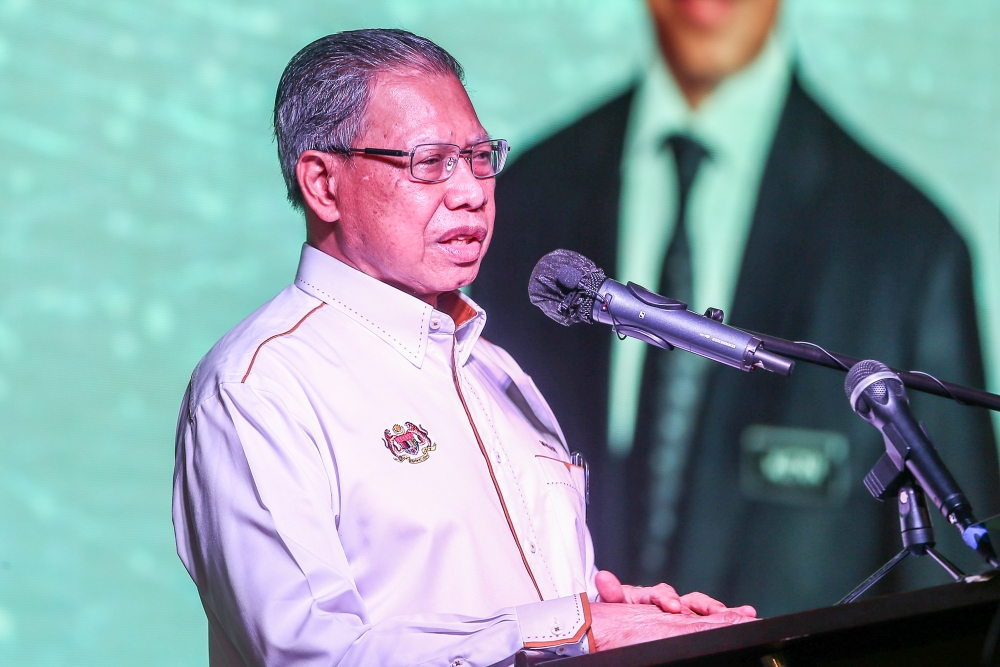
Datuk Seri Mustapa Mohamed, the 76-year-old former Member of Parliament for Jeli, has firmly closed the door on any potential return to electoral politics, declaring that he will not be among the candidates competing in the next general election. Speaking in his Pasir Mas constituency, the veteran politician made clear his decision represents a deliberate step towards generational transition within Malaysia's political establishment, signalling that he believes the time has come for established figures to cede ground to emerging voices.
The former parliamentarian's announcement carries particular weight given his longstanding prominence in Malaysian politics and the fact that such declarations from senior political figures often influence broader succession planning within their respective parties. Mustapa Mohamed's decision to publicly rule out participation in GE16 represents not merely a personal choice but a statement about how Malaysia's political leadership should evolve in the coming years. His explicit confirmation eliminates any speculation about his future political involvement and provides clarity to both his constituency and his party regarding the leadership landscape moving forward.
Beyond his own retirement from electoral contests, Mustapa Mohamed has used this moment to advocate forcefully for a generational shift in Malaysia's political sphere. He has called upon younger politicians to step forward and assume greater responsibility and leadership positions, recognising that sustainable political development depends on nurturing and empowering the next cohort of leaders. This appeal addresses a concern that has long preoccupied Malaysian political observers: the tendency for established figures to maintain their grip on power and positions, potentially limiting opportunities for emerging talent to gain experience and prove their capabilities.
The timing of such intergenerational appeals matters significantly in Malaysia's political context. With general elections often coming at irregular intervals and the political landscape remaining fluid following recent electoral developments, veteran politicians who choose to step back create openings that younger aspirants can fill. Mustapa Mohamed's willingness to articulate this transition philosophy publicly may influence other senior figures within his party and across the broader political establishment to consider similar moves, potentially accelerating the renewal process that many observers believe Malaysian politics requires.
Mustapa Mohamed's career trajectory exemplifies the long institutional memory present in Malaysia's political system. His decision to step away reflects both personal considerations related to age and broader recognition that extended tenure at the highest levels can sometimes impede the institutional refreshment necessary for political health and public confidence. By framing his retirement within the context of enabling younger leaders to advance, he positions his withdrawal as a constructive contribution to Malaysian politics rather than merely a personal exit.
The implications of such generational transitions extend beyond individual constituencies or even single parties. Malaysia's political effectiveness depends partly on maintaining adequate representation of diverse age groups and perspectives within legislative bodies. When younger candidates receive opportunities to contest elections and build parliamentary experience, the overall quality of political discourse and policy development can improve through the introduction of fresh ideas and contemporary understanding of pressing national issues. Conversely, when younger politicians find pathways to advancement blocked by entrenched incumbents, both individual careers and broader political institutions may suffer.
Within the context of Malaysia's political development over recent decades, Mustapa Mohamed's statement reflects an emerging recognition among some senior figures that political sustainability requires conscious attention to succession and renewal. The Malaysian electorate has repeatedly demonstrated willingness to sanction significant political changes through their voting behaviour, suggesting that voters themselves increasingly value fresh leadership and new perspectives. Politicians who anticipate and accommodate these preferences through voluntary retirement positions themselves positively within the historical narrative of their service.
The question of generational leadership transition in Malaysia carries particular urgency given demographic shifts within the voting population and changing expectations among younger constituents regarding representation and responsiveness. Younger voters often express frustration with what they perceive as dated approaches to governance and problem-solving by long-established political figures. Mustapa Mohamed's articulation of support for younger leaders gaining opportunities may resonate with voters across age groups and contribute to broader movements toward political renewal currently unfolding across various political organisations.
For Mustapa Mohamed personally, his decision to step aside while remaining sufficiently engaged to advocate for generational change allows him to retain influence and contribute to Malaysia's political future through mentorship and intellectual guidance rather than formal electoral participation. This approach reflects an understanding that leadership transitions need not involve complete disengagement but rather transformation into different forms of political participation more appropriate to advancing years. Former parliamentarians often find meaningful roles as party elders, policy advisors, and voices of institutional memory while allowing younger colleagues to assume frontline electoral responsibilities.
The broader significance of this announcement lies in its potential to catalyse similar decisions among other senior Malaysian politicians currently contemplating their electoral futures. If Mustapa Mohamed's example encourages other establishment figures to consider voluntary retirement, the cumulative effect could meaningfully accelerate generational transition across multiple political parties. Such a development would align Malaysia's political structure more closely with demographic and voter preference realities, potentially enhancing both institutional functionality and public satisfaction with political representation. The next general election may thus provide an opportunity to observe whether such transitions gather broader momentum or remain isolated occurrences among forward-thinking political figures.

