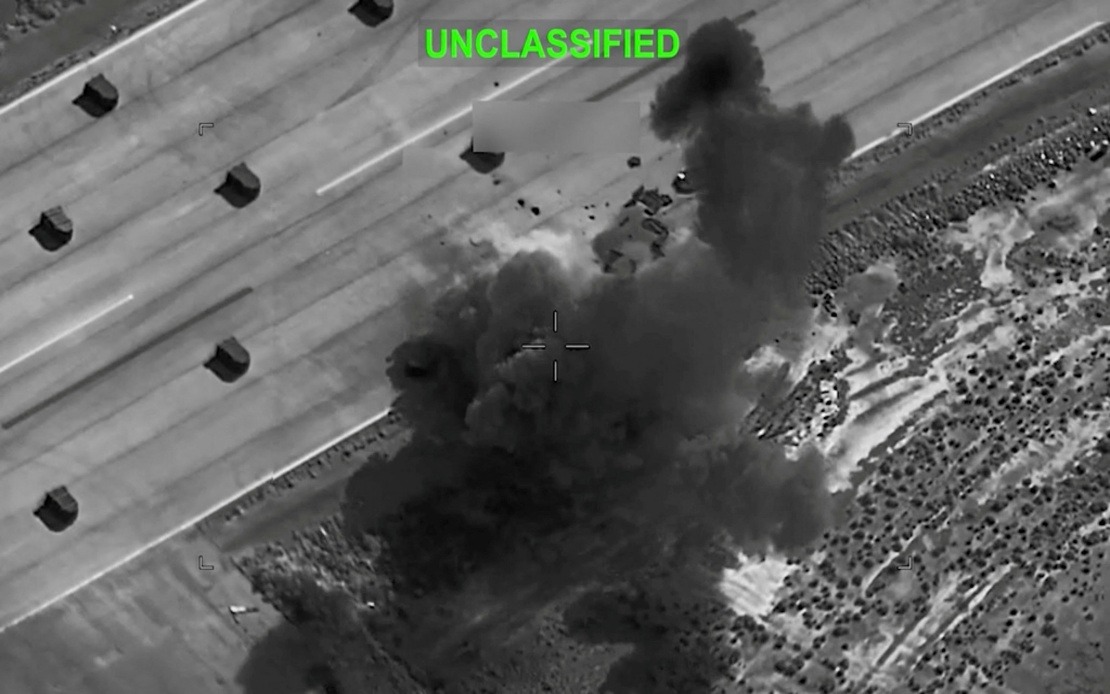
Iranian authorities reported significant casualties following a series of military strikes by the United States on July 8 and 9, 2026, marking an escalation in regional tensions. According to Hossein Kermanpour, spokesman for Iran's Health Ministry, at least 14 people were killed and 78 others sustained injuries across multiple locations. The attacks targeted five provinces within Iranian territory, representing a substantial military operation during a period when ceasefire negotiations were underway.
The timing of the strikes proved particularly controversial given the diplomatic context. Iran's government emphasized that the United States launched these attacks while a ceasefire agreement was theoretically in force, characterizing the action as a unilateral breach of understood terms. This assertion underscores the fragile nature of current Middle Eastern peace efforts and suggests significant miscalculation or deliberate provocation on the international stage. The situation reflects broader patterns of military escalation that have characterized US-Iran relations over recent years.
Healthcare facilities across the affected regions bore the immediate burden of managing the casualty surge. Of the 78 people injured in the attacks, 47 required continued hospitalization for treatment of their wounds, while 31 others received emergency care and were subsequently discharged. This distribution of injuries indicates that many of those affected suffered serious trauma requiring extended medical intervention. The Health Ministry's careful documentation of hospital admissions suggests a coordinated response from Iran's healthcare system, though the scale of casualties inevitably strained local medical resources.
For Malaysia and Southeast Asia, this escalation carries significant geopolitical implications. The region has long sought to maintain balanced relationships with both the United States and Iran, viewing stability in the Middle East as essential for regional prosperity and security. Any widening of the US-Iran conflict risks disrupting global energy markets, particularly affecting oil and gas prices that directly impact Southeast Asian economies. Malaysia's substantial trade relationships and investments in Middle Eastern countries mean that regional instability could reverberate through local business and supply chains.
The incident also raises questions about the effectiveness of international mediation efforts and the role of ceasefire mechanisms in containing conflict. If the US actions genuinely violated an agreed-upon ceasefire arrangement, as Iran claims, this suggests that diplomatic channels may be breaking down or that fundamental misunderstandings persist regarding the terms of any arrangement. Such breakdowns typically precede further military escalation, creating a concerning pattern for regional observers.
Iran's response to these strikes remains to be fully evaluated, but historical precedent suggests that significant casualties are likely to prompt a retaliatory response. Previous instances of US military action against Iranian targets have typically resulted in Iranian counter-strikes, either directly or through proxy forces, perpetuating cycles of escalation that destabilize the broader region. This pattern has repeatedly drawn other Middle Eastern nations and international actors into confrontations with no clear path toward resolution.
The provinces targeted in the US strikes were not immediately specified in the Health Ministry's statement, though Iran's government typically directs particular concern toward attacks on infrastructure, military installations, or civilian populations. The selection of five separate provinces suggests either a broad strategic campaign aimed at degrading Iranian capabilities across multiple regions or a deliberate message of force through geographic dispersal. Such widespread targeting raises humanitarian concerns beyond the immediate casualty count.
For international observers, the incident underscores the persistent volatility of US-Iran relations despite periods of diplomatic engagement. The incoming US administration's approach to Middle Eastern policy will likely be scrutinized heavily following these strikes, with implications for future peace negotiations and regional stability. Any hardening of positions on either side could make future diplomatic breakthroughs increasingly difficult to achieve.
Southeast Asian nations and the broader international community have consistently advocated for de-escalation in the Middle East, recognizing that regional conflicts consume international resources and attention that could address other pressing global challenges. Malaysia, as a Muslim-majority nation with significant influence in Islamic affairs, may face particular pressure to articulate a position on the attacks while maintaining its generally neutral stance in international disputes. The incident serves as another reminder that Middle Eastern instability has consequences far beyond the immediate region, affecting global trade, security, and diplomatic relationships.

