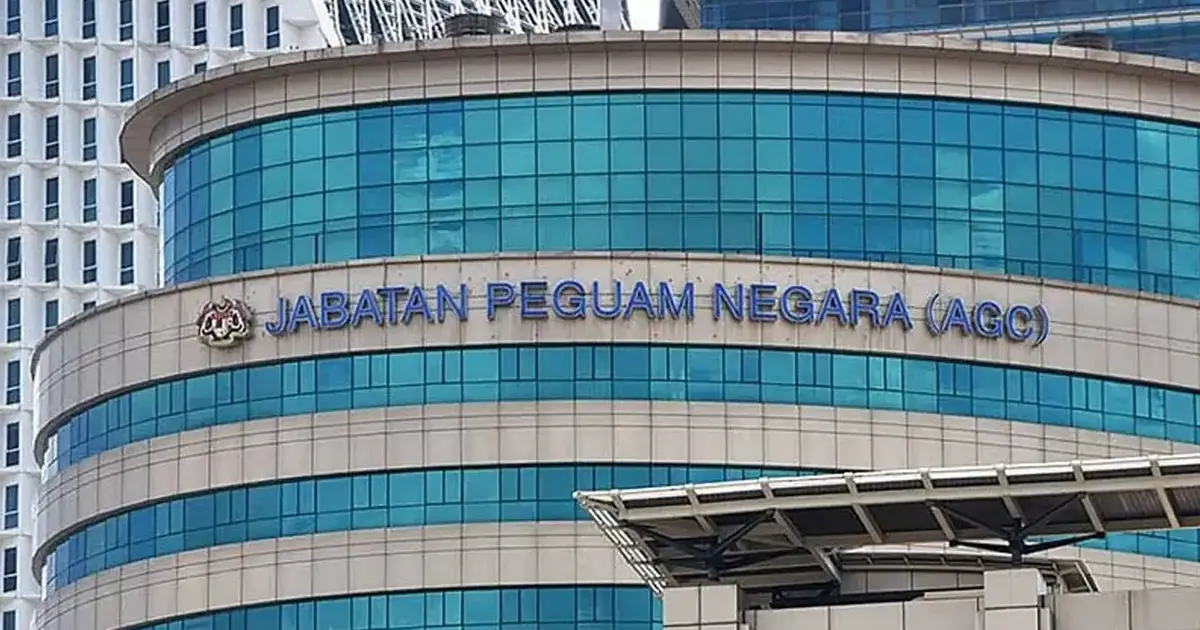
More than a month has elapsed since investigators resubmitted their case file for the fourth time, yet the Attorney General's Chambers continues its deliberations on the Durian Tunggal investigation—a process that has stretched far longer than typically expected in Malaysian legal circles. The extended review period has drawn fresh attention to the pace at which sensitive cases move through the country's prosecutorial apparatus, prompting the home minister to intervene publicly with a call for patience.
The decision to resubmit the investigation papers reflects concerns raised during earlier examinations, suggesting that prosecutors sought additional work or clarification before proceeding. Each iteration of such resubmissions can indicate either mounting complexity in the case's legal foundations or the need to address potential evidentiary gaps. For Malaysian observers accustomed to the rhythm of criminal investigations, the back-and-forth process signals either meticulous attention to detail or, in some interpretations, institutional caution about the strength of available evidence.
The home minister's recent intervention carries particular significance in the Malaysian political context, where cabinet ministers sometimes employ public statements to shape narrative around ongoing investigations. By urging all parties to respect the legal process and permit it to unfold without external pressure, the home minister has effectively staked ministerial credibility on the independence of prosecutorial decision-making. This framing becomes especially pertinent given Malaysia's history of concerns regarding political interference in criminal investigations.
The Durian Tunggal case's prominence in national discourse reflects its intersection with issues of public concern and institutional integrity. Whether the investigation addresses allegations of administrative impropriety, financial irregularity, or other matters affecting public trust, the extended timeline now stretches beyond customary expectations for preliminary legal assessment. The Attorney General's Chambers must balance thoroughness against public expectations for timely resolution, a tension that becomes more pronounced as weeks accumulate.
For Malaysian readers and Southeast Asian observers, the duration of such reviews raises broader questions about prosecutorial efficiency within the region's legal systems. The capacity of attorney general offices to process complex investigations within reasonable timeframes reflects institutional capability and resource allocation. Extended delays, whether justified by evidential complexity or stemming from systemic constraints, can create perception problems regardless of underlying intent. This psychological dimension shapes public confidence in the rule of law itself.
The resubmission process also merits examination through the lens of investigative agency independence. When investigating bodies must repeatedly reformat or supplement their findings to satisfy prosecutorial standards, the dynamic between police and prosecutors becomes visible. This relationship, while essential for maintaining case quality, can occasionally frustrate investigating officers and create bottlenecks. The current situation underscores the sequential nature of Malaysian criminal justice, where police investigations feed into prosecutorial review before any charging decisions materialise.
Regional legal experts often note that Malaysia's dual legal system, encompassing both federal and state jurisdictions, introduces procedural complexities absent in jurisdictions with unified prosecutorial hierarchies. The Attorney General's Chambers must navigate these constitutional arrangements while ensuring cases meet evidentiary thresholds. Whether Durian Tunggal falls within these structural considerations remains beyond public knowledge, yet the institutional framework undoubtedly influences processing timelines.
The political cost of extended investigations varies considerably depending on public expectations and media attention. Cases perceived as straightforward may attract criticism if prolonged, whilst genuinely complex matters elicit more patience. The Durian Tunggal matter, already sufficiently prominent to warrant ministerial commentary, occupies that middle ground where stakeholders increasingly demand clarity. The home minister's statement appears calculated to manage these expectations by reframing the investigation's pace as reflective of legal rigour rather than institutional sluggishness.
Looking ahead, the Attorney General's Chambers faces a critical decision point. Continued extensions risk reinforcing perception of dilatory proceedings, potentially undermining public confidence in prosecutorial urgency. Conversely, premature legal conclusions on cases requiring genuine complexity might expose the state to unfounded charges or reversals on appeal. This dilemma, endemic to criminal justice systems worldwide, becomes especially consequential in Malaysia's contemporary political environment, where institutional credibility remains contested.
The home minister's appeal for restraint essentially invites public and political acceptance of extended timelines, trusting that opacity serves the interests of justice. Whether Malaysian civil society and opposition politicians accept this framing remains uncertain. Past controversies regarding delayed prosecutions have taught observers to scrutinise such appeals, questioning whether they facilitate fair process or inadvertently shield decision-makers from accountability. The Durian Tunggal matter will likely provide fresh test cases for these competing interpretations of prosecutorial autonomy and public duty.

