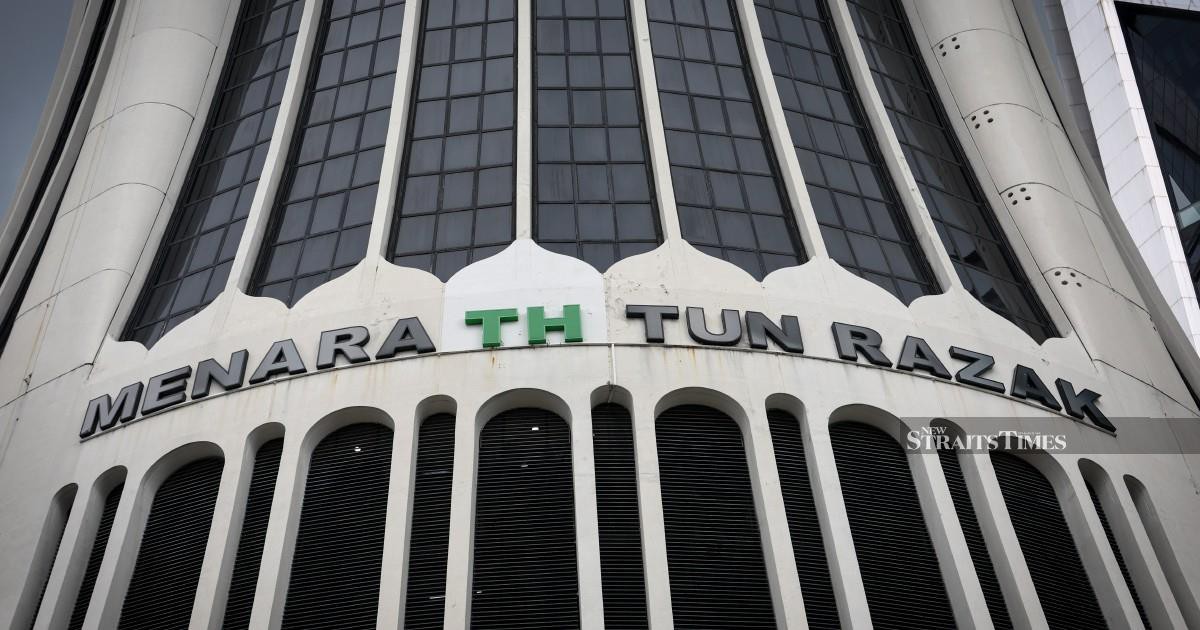
Corruption watchdog Transparency International Malaysia, known as C4, has escalated scrutiny of the National Audit Department by calling for a comprehensive review following discovery of a substantial RM4.8 billion discrepancy in financial reporting on Lembaga Tabung Haji (TH). The disparity emerged between findings released by the Royal Commission of Inquiry investigating the hajj fund and separate audited accounts submitted by the department responsible for government financial oversight, raising fundamental questions about the consistency and reliability of Malaysia's public sector accounting practices.
The gap represents a significant divergence that cannot be dismissed as mere clerical error or accounting methodology differences. Such a substantial variance—equivalent to more than RM4,800 from every Malaysian taxpayer—demands serious investigation into why two official bodies examining the same institution arrived at markedly different financial conclusions. For a nation working to restore international investor confidence and strengthen institutions following previous corporate governance scandals, this discrepancy strikes at the credibility of mechanisms designed to protect public assets.
Tabung Haji operates as Malaysia's pilgrimage fund, managing the savings and investments of over 9 million Muslim Malaysians who contribute regularly toward their hajj journey. The institution's financial integrity carries not merely technical importance but profound personal significance for millions of Malaysians who have entrusted their savings to this body. Any uncertainty about the true financial position of TH directly affects these savers' retirement planning and religious obligations, making the accuracy of its financial reporting a matter of national concern.
The Royal Commission of Inquiry was established specifically to investigate substantial losses and mismanagement allegations that emerged at TH in recent years. Its report represents an authoritative assessment following formal investigation procedures. When this RCI conclusion diverges dramatically from the National Audit Department's figures, observers face an uncomfortable choice: either the RCI's investigation methodology was flawed, or the audit department's examination proved inadequate. Neither scenario inspires confidence in institutional competence.
C4's call for departmental review reflects growing awareness that audit independence and analytical rigour require constant monitoring. Independent audits should serve as government's conscience—institutions empowered to speak truth about public finances without fear or favor. When an audit department's conclusions stray significantly from parallel investigations, it suggests possible systemic weaknesses in audit procedures, staff training, data gathering methodology, or analytical frameworks that deserve transparent examination.
The timing of this discrepancy carries particular weight given Malaysia's ongoing efforts to combat corruption and improve institutional accountability. The country has invested considerable political capital in positioning itself as reform-minded, establishing various oversight bodies and investigative mechanisms. Public discovery that major financial discrepancies slip through established audit procedures undermines these reform narratives and provides ammunition to those who question whether institutional change has penetrated deeply enough.
For Malaysian investors and international observers evaluating the country's governance standards, such discrepancies create uncertainty about which official figures to trust. Private sector executives making investment decisions increasingly factor institutional reliability into their assessments. When government's own auditing bodies produce divergent conclusions about a major institution's finances, it signals that even officially certified figures warrant independent verification—an additional cost and friction point for Malaysia's investment environment.
The regional context amplifies these concerns. Southeast Asian nations compete intensely for capital flows and multinational corporate headquarters. Stronger institutional governance and transparent financial reporting have become competitive advantages. Malaysia risks losing ground to regional neighbours if investors perceive its financial oversight mechanisms as unreliable or inconsistent. Singapore, for instance, has built competitive advantage partly through reputation for institutional precision and accountability.
C4's intervention represents civil society's watchdog function performing as intended—when official institutions show potential weaknesses, independent organisations with investigative capacity voice concerns publicly. This external pressure can catalyze internal reforms that might otherwise languish in bureaucratic channels. However, the department's actual response remains crucial. Defensive posturing or minimal acknowledgment would compound credibility damage, whereas transparent investigation and remedial action could strengthen public confidence.
The National Audit Department must address several critical questions emerging from this discrepancy. How were financial figures compiled? What data sources and verification procedures were employed? Did the department coordinate with the RCI during its investigation, and if so, what accounts for their different conclusions? Were there legitimate accounting methodology differences that explain the variance, or does it reflect genuine gaps in audit coverage? Transparent answers to these questions matter far beyond internal bureaucratic interest.
Resolving this matter requires more than technical accounting reconciliation. It demands institutional commitment to identifying root causes and implementing reforms ensuring such discrepancies cannot recur. Whether the issue stems from inadequate audit procedures, insufficient staffing, outdated analytical tools, or coordination failures among oversight bodies, addressing it represents investment in Malaysia's governance infrastructure that pays dividends across all public sector accountability.
The RM4.8 billion question ultimately reflects not just about TH's finances but about whether Malaysia's institutional systems function with sufficient rigour to warrant public confidence. C4's call for review recognises this broader implication, appropriately escalating what might otherwise be dismissed as an isolated accounting matter into a governance issue deserving sustained institutional attention and public transparency.

