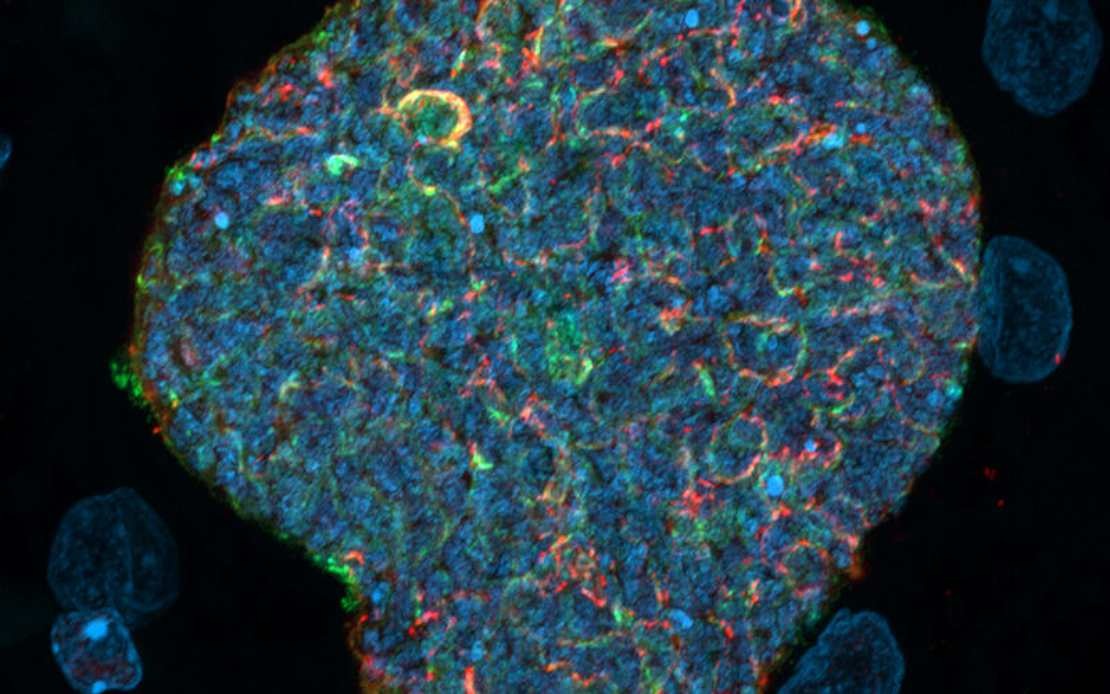
Scientists at Australia's Walter and Eliza Hall Institute of Medical Research have unveiled a groundbreaking approach to malaria prevention that fundamentally reimagines how the world might combat one of humanity's most persistent infectious diseases. Rather than viewing mosquito bites as vectors of infection, the research team has developed a strategy that converts these encounters into opportunities for immune system reinforcement, potentially transforming disease management in regions where malaria remains endemic.
The innovative technique centres on a specially formulated immunisation strategy that combines exposure to malaria parasites transmitted by mosquitoes with experimental antimalarial compounds created through collaboration between WEHI and pharmaceutical firm MSD. This dual-mechanism approach works by intercepting the parasite's life cycle at a critical juncture—the late liver stage—before the organism can enter the bloodstream and trigger the symptoms that characterise active malaria infection. By containing the parasite at this precise developmental window, researchers trigger a potent immune response that establishes lasting protection without exposing patients to the dangers of systemic infection.
The significance of this discovery extends beyond mere laboratory achievement. The compounds developed in this research function as molecular gatekeepers, effectively trapping malaria parasites before they can complete their transition into the blood phase where they cause clinical disease. This controlled exposure allows the immune system to mount a comprehensive defensive response, generating antibodies and cellular immunity tailored specifically to recognise and eliminate the malaria parasite. Critically, this approach generates what researchers term durable protection—immunity that persists over extended periods rather than waning within months as conventional vaccines sometimes do.
What makes this strategy particularly innovative is its capacity to leverage natural mosquito exposure as a reinforcement mechanism. In conventional vaccination paradigms, booster doses require scheduled clinic visits, infrastructure investment, and coordinated healthcare delivery. This new approach suggests that in malaria-endemic regions, the very mosquito bites that would ordinarily pose a threat instead serve to strengthen existing immunity. The antimalarial compounds prevent these natural exposures from causing disease while simultaneously triggering immune system activation. Over time, repeated exposures reinforce protective immunity, creating what researchers describe as a "vaccinate and boost naturally" framework.
For Southeast Asia and the broader Indo-Pacific region, where malaria remains a significant public health challenge, this development carries substantial implications. Countries including Malaysia, Indonesia, and Thailand continue documenting malaria cases, particularly in rural and forested regions where vector control measures face logistical challenges. The proposed approach could reduce dependence on intensive surveillance and treatment infrastructure by enabling populations to develop robust natural immunity through the modified exposure mechanism. This would prove especially valuable in remote communities where accessing healthcare facilities presents genuine difficulties.
The research team has advanced their work beyond theoretical demonstration by initiating preclinical development of a long-acting injectable formulation derived from the antimalarial compounds. This pharmaceutical development pathway suggests clinical trials could follow within a defined timeframe, moving the technology from research setting toward real-world application. The injectable format indicates researchers envision initial deployment through conventional medical channels—a practical consideration given that establishing entirely new vaccination paradigms requires regulatory approval and healthcare system adaptation.
Global malaria burden statistics underscore the urgency surrounding this research direction. The World Health Organisation documented approximately 610,000 malaria-related deaths worldwide during 2024, representing a staggering toll despite existing prevention and treatment options. This mortality burden concentrates disproportionately in sub-Saharan Africa, though Asian regions sustain significant disease transmission. Childhood malaria, pregnancy-related malaria, and drug-resistant parasite strains complicate prevention efforts across multiple epidemiological contexts. Any approach offering enhanced protection or simplified deployment mechanisms addresses genuine gaps in current prevention strategies.
The collaborative nature of this research—bringing together WEHI's immunological expertise with MSD's pharmaceutical development capabilities—reflects modern biomedical practice where complex challenges require multidisciplinary engagement. MSD's involvement suggests commercial viability and potential pathways toward manufacturing scale-up, critical considerations for any intervention targeting resource-limited settings. Pharmaceutical companies increasingly recognise that neglected tropical diseases like malaria present both humanitarian imperatives and long-term market opportunities, particularly as climate change expands mosquito habitat ranges into previously unaffected regions.
The antimalarial compounds themselves represent years of targeted drug development, with researchers optimising their ability to arrest parasite development at precisely the right biological moment. This specificity matters substantially—compounds must be potent enough to prevent disease progression yet compatible with the body's own immune defences. The achievement of this balance demonstrates sophisticated understanding of malaria parasitology and immunological principles, reflecting the depth of scientific expertise concentrated within WEHI.
Implementing this approach across diverse global settings will require careful consideration of logistical, regulatory, and epidemiological factors. Malaria transmission intensity varies dramatically between regions, affecting how frequently mosquito exposures might occur and therefore how rapidly immunity reinforcement happens. In areas with intense seasonal transmission, natural booster opportunities might materialise regularly, whereas lower-transmission zones might require supplemental interventions. Regulatory agencies will need to establish protocols for approving a therapeutic approach fundamentally different from conventional vaccines, requiring novel safety monitoring frameworks.
The research also raises important questions about disease surveillance and parasite monitoring in populations receiving this intervention. Current malaria control programmes rely heavily on identifying and treating active infections to reduce transmission. A system where controlled parasitic exposure occurs intentionally requires sophisticated mechanisms for distinguishing intentional exposure-based immunity development from actual malaria cases requiring treatment. Healthcare workers would need training in recognising the approach's parameters and distinguishing it from conventional malaria presentations.
Looking forward, this research exemplifies how fundamental biological understanding can yield practical public health innovations. Rather than viewing parasitic transmission as an entirely negative phenomenon to be eliminated through conventional vector control and antimalarials alone, researchers have conceptualised how to harness biological mechanisms for protective benefit. This philosophical shift—converting threat into tool—may inspire similar thinking across other vector-borne disease challenges, from dengue fever to leishmaniasis, potentially yielding similarly innovative prevention strategies that work with rather than purely against natural transmission dynamics.

