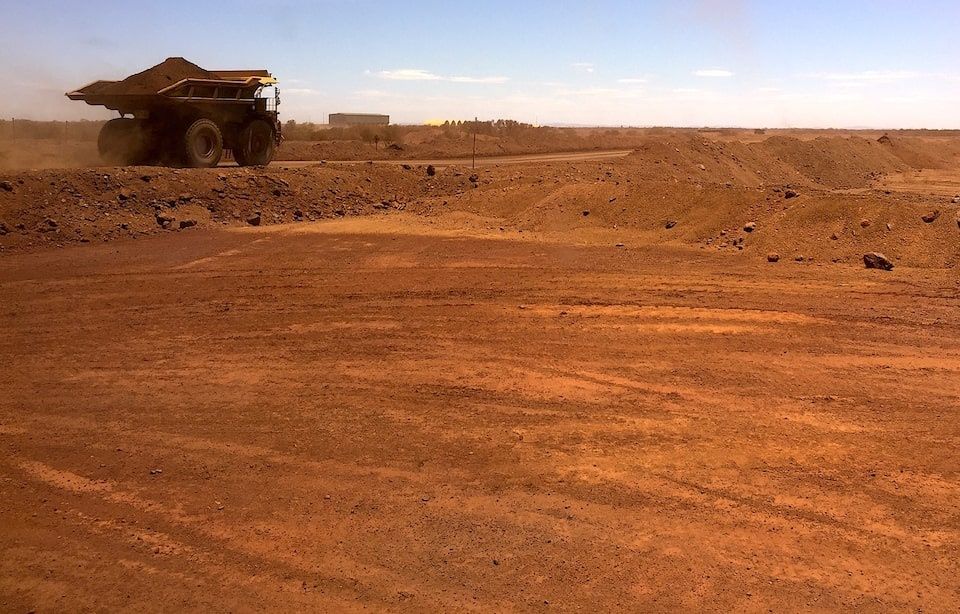
A team of researchers at Edith Cowan University in Western Australia has identified a potentially significant natural energy source hidden beneath the state's famous red soil. The discovery centres on magnetite, an iron oxide mineral abundant in the region's extensive geological formations, which can spontaneously generate hydrogen gas when exposed to hot water in underground environments. This finding could reshape how policymakers and energy companies in Australia and the broader Asia-Pacific region approach the transition to low-emission fuel sources, particularly as nations grapple with meeting climate commitments while maintaining energy security.
The significance of this research extends beyond academic interest, given Western Australia's dominance in global iron ore production and its potential role in the emerging hydrogen economy. Engineers from ECU's School of Engineering have demonstrated through controlled laboratory experiments that the chemical reaction between magnetite and water at elevated temperatures can produce measurable quantities of hydrogen. This natural process, occurring kilometres beneath the earth's surface under conditions of extreme heat and pressure, suggests that hydrogen could be continuously generated without direct human intervention, fundamentally different from conventional hydrogen production methods that require energy inputs.
To validate their hypothesis and understand the mechanisms at play, the research team conducted experiments spanning 60 days in which magnetite samples were subjected to temperatures reaching 200 degrees Celsius and high pressure environments designed to replicate the conditions found deep underground. The controlled setting allowed scientists to observe and measure hydrogen gas production under precisely controlled variables, establishing concrete evidence that the chemical interaction produces the desired fuel. The methodology demonstrates how laboratory work can illuminate natural processes that have likely been occurring undetected for millions of years beneath Western Australia's surface.
What distinguishes this research is its recognition that hydrogen production in these geological settings depends on multiple interconnected factors rather than magnetite abundance alone. The team's analysis revealed that the accessibility of water to fresh mineral surfaces plays a crucial role in sustaining hydrogen generation. This means that the presence of natural fractures, porous zones, and permeable pathways through rock formations determines whether and how efficiently hydrogen can be produced in any given location. Understanding these geological prerequisites is essential for identifying the most productive sites and predicting yields across different regions.
The implications for Western Australia's economic future warrant close attention from state and national policymakers. The state already possesses some of the world's largest banded iron formations, the geological structures most conducive to natural hydrogen production according to the research. This existing geological endowment could provide a competitive advantage in developing natural hydrogen extraction technology ahead of international competitors. Companies operating in the mining and energy sectors may find opportunities to repurpose infrastructure, expertise, and land use patterns toward hydrogen recovery from existing operations or new ventures targeting these formations specifically.
Beyond Australia, this discovery carries significance for Southeast Asian and regional energy markets. Many nations in the region, including Malaysia, face dual pressures to reduce carbon emissions while securing affordable and reliable energy supplies. Natural hydrogen from geological sources could complement renewable energy installations, providing consistent baseload power without the intermittency challenges associated with solar and wind. The ability to tap into existing natural hydrogen reserves could accelerate the transition away from fossil fuels more rapidly than technologies requiring substantial new infrastructure investment.
The research also opens questions about global hydrogen reserves that may have been overlooked in previous geological surveys. If magnetite deposits elsewhere contain similar hydrogen-generating potential, the world's available hydrogen resources could be substantially larger than previously understood. This could reshape international energy geopolitics and investment patterns, particularly as countries compete to secure hydrogen supplies for industrial applications, heavy transport, and power generation. Nations with significant magnetite deposits may suddenly find themselves positioned as potential hydrogen exporters, creating new economic opportunities.
Implementing this discovery at commercial scale presents distinct challenges that the research community must address. The team's findings, published in the International Journal of Hydrogen Energy, provide the scientific foundation, but translating laboratory results into viable extraction and collection infrastructure requires substantial additional development. Researchers must determine optimal drilling and pumping strategies, design efficient systems for capturing gas from underground sources, and establish whether injection of solutions into banded iron formations can enhance production rates in practical field conditions. Cost-benefit analyses comparing natural hydrogen extraction to other low-carbon hydrogen production methods will prove critical for investment decisions.
The discovery also raises important environmental and regulatory considerations. Extracting hydrogen from deep geological formations involves complex interactions with groundwater systems and rock structures that require careful environmental assessment. Regulatory frameworks governing mineral extraction and water resources will need adaptation to accommodate natural hydrogen production, particularly in jurisdictions where multiple stakeholders hold competing claims to underground resources. Western Australia's experience developing these frameworks could establish global standards for responsible natural hydrogen development.
For the investment community, particularly in Australia and across Asia-Pacific markets, this research signals an emerging opportunity in the energy transition landscape. Early-stage companies and established energy majors are likely to increase exploration efforts in magnetite-rich regions, seeking to develop extraction technologies and secure land positions. Universities and research institutions may attract greater funding for hydrogen research as commercial interest intensifies. The convergence of abundant geological resources, proven scientific principles, and growing energy demand creates conditions for rapid development in this sector.
Looking forward, the ECU research team's work represents an important waypoint in understanding earth's natural hydrogen resources rather than a complete solution to global energy challenges. Continued investigation into how widespread natural hydrogen generation proves to be across different geological settings, combined with technology development for efficient extraction, will determine whether this becomes a significant component of the clean energy portfolio. For Malaysia and other developing economies in Southeast Asia, monitoring these developments and considering whether similar geological formations exist domestically could inform long-term energy strategy formulation.

