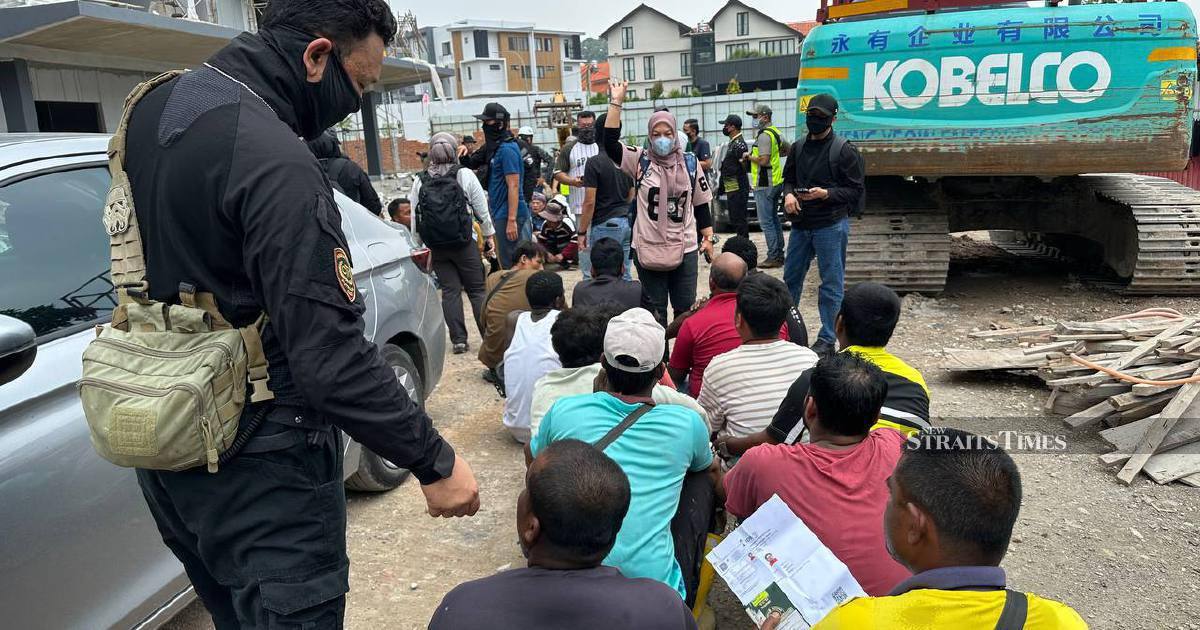
Malaysian immigration authorities have concluded a significant nationwide enforcement operation that resulted in the arrest of 528 foreign nationals suspected of immigration violations. The multi-agency crackdown, which concluded recently, targeted eight construction sites and underscores growing concerns about compliance within Malaysia's bustling construction sector.
The coordinated operation reflects an intensified focus on labour standards and immigration compliance within the building industry, a sector that has long grappled with workforce management challenges. Construction has historically attracted large numbers of migrant workers from across Southeast Asia and South Asia, many of whom enter Malaysia legally but subsequently fall out of status due to visa expiration, contract disputes, or trafficking concerns.
The scale of the operation—involving multiple agencies working in tandem across eight separate locations—suggests a systematic approach to addressing violations rather than isolated enforcement actions. Such multi-site operations typically require weeks of planning and coordination between the Immigration Department, Ministry of Human Resources, and police units. The simultaneous execution across multiple construction sites limits opportunities for advance warning to spread through informal worker networks.
Construction in Malaysia remains one of the most labour-intensive sectors, with foreign workers comprising a substantial portion of the workforce. These workers perform essential roles in residential, commercial, and infrastructure projects across the country. However, the sector has faced persistent criticism from international labour organisations regarding working conditions, wage protections, and documentation practices. Recent years have seen growing pressure on Malaysia to improve its handling of migrant workers, particularly following multiple high-profile incidents involving wage theft, substandard accommodation, and safety violations.
Immigration violations in the construction context typically encompass several categories. Some workers enter with legitimate permits but fail to renew them before expiration, a situation particularly common when employers lack proper administrative systems. Others may work without permits entirely, having entered through irregular channels or overstayed initial entry visas. Additionally, authorities frequently uncover documentation fraud, where workers present falsified travel documents or employment letters during border processing or workplace inspections.
The timing and scale of this operation carry particular significance given Malaysia's development agenda. The country continues to pursue major infrastructure initiatives—including the Klang Valley MRT Extension, Pan-Borneo Highway completion, and numerous urban renewal projects—all of which depend heavily on foreign labour. Enforcement operations must balance compliance objectives with practical realities of labour supply. Arresting 528 workers simultaneously creates immediate workforce disruptions that can delay projects, though authorities argue that compliance with immigration rules remains non-negotiable regardless of economic consequences.
For construction companies, such operations create business uncertainty and reputational risks. Firms discovered to be employing workers without proper documentation face penalties, project delays, and potential criminal liability for company officials. This environment has prompted larger construction firms to invest in more rigorous verification systems, though smaller contractors and subcontractors often lack resources for comprehensive compliance programmes. The arrested individuals face administrative detention pending investigation, potential deportation, and in some cases, prosecution for document fraud or trafficking involvement.
The broader regional context matters significantly for understanding Malaysia's immigration enforcement priorities. Southeast Asian labour mobility remains substantial, with millions of workers crossing borders annually for employment opportunities. Malaysia attracts workers from Indonesia, Bangladesh, Myanmar, Nepal, and other nations, often with significant wage differentials between origin and destination countries. This economic incentive structure ensures consistent pressure on border controls and workplace compliance systems, regardless of enforcement intensity.
Worker advocacy groups note that enforcement operations, while necessary for compliance, can inadvertently create hardship for vulnerable individuals exploited by unscrupulous employers. Workers arrested during raids often lose wages owed, accommodation, and access to basic services during detention. Some international observers advocate for more balanced approaches that combine enforcement with worker protection mechanisms, allowing victims of trafficking or wage theft to report violations without facing automatic deportation.
The operation also reflects Malaysian authorities' response to international pressure regarding labour standards. The International Labour Organization, trading partners, and labour rights groups have consistently highlighted concerns about Malaysia's handling of migrant workers. Visible enforcement operations demonstrate government commitment to immigration control, though critics argue that such headline-generating raids sometimes distract from systemic improvements in worker protection and employer accountability that would address root causes of irregular employment.
For Malaysia's construction sector looking ahead, the message is clear: compliance with immigration requirements will intensify. Firms operating multiple sites should anticipate continued enforcement operations. Industry associations may need to develop stronger peer accountability mechanisms and sector-wide compliance standards to protect legitimate businesses from unfair competition by companies cutting corners through irregular workforce practices.
The 528 individuals arrested represent personal tragedy multiplied hundreds of times—disrupted employment, family separation, deportation costs, and damaged future employment prospects. Their cases also reflect broader tensions within Malaysia's development model, which relies significantly on migrant labour while maintaining strict immigration controls. Finding sustainable balance between economic needs and regulatory compliance remains an ongoing challenge for Malaysian policymakers.

