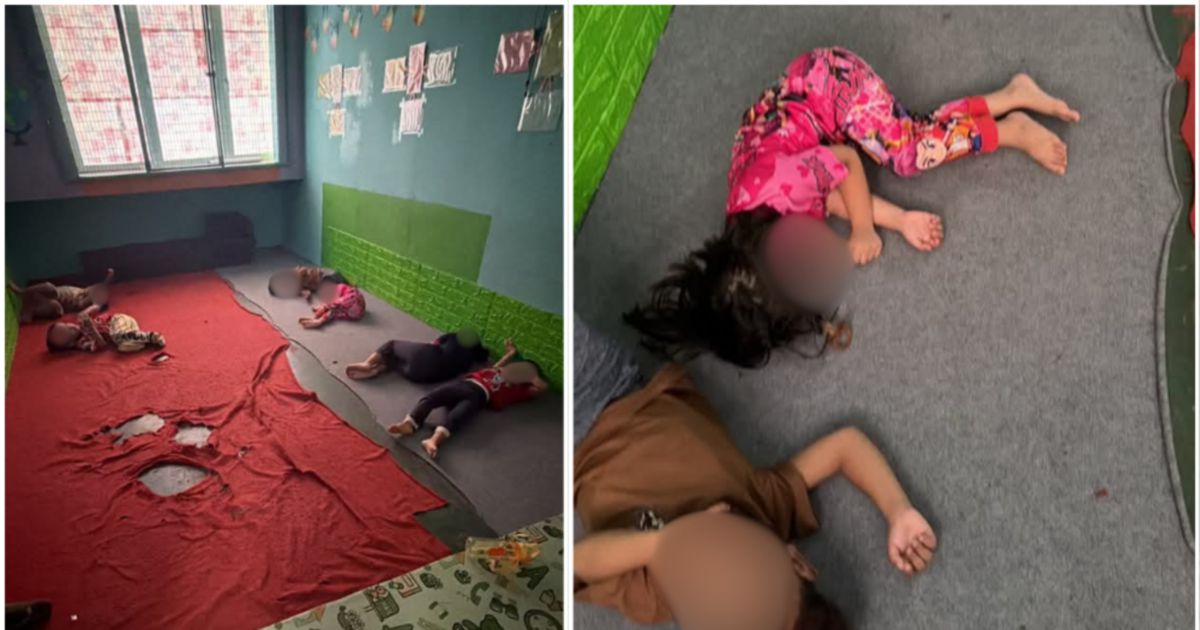
Police have launched a formal investigation into allegations of child abuse at a private childcare facility in Kuah, Langkawi, following reports that young children were subjected to maltreatment including food deprivation and confinement in bathroom facilities. The inquiry represents another significant test of Malaysia's childcare oversight mechanisms, coming amid growing scrutiny of standards and safety practices across the nation's largely privatised early education sector.
The investigation centres on claims that operators at the facility deliberately withheld meals from children and confined them to toilets—allegations that, if substantiated, would constitute serious offences under Malaysia's child protection laws. Such incidents, when uncovered, typically trigger rapid intervention by child welfare authorities and police, signalling the gravity with which authorities treat breaches of children's fundamental rights and dignity.
This case underscores persistent vulnerabilities within Malaysia's childcare system, where oversight remains fragmented across federal and state-level regulators. Many private daycare centres operate with minimal supervision, and enforcement of safety standards often only occurs reactively following complaints or reported incidents. Parents and child welfare advocates have repeatedly called for more rigorous pre-establishment inspections, surprise audits, and mandatory staff training in child protection and first aid.
The location in Langkawi, an island tourist destination in Kedah, adds a particular dimension to the investigation. The Langkawi area has experienced rapid demographic shifts with an influx of migrant workers and expatriate families, leading to increased demand for childcare services. This demand has sometimes outpaced the availability of licensed, properly-regulated facilities, creating an environment where substandard operators may flourish in the absence of vigilant enforcement.
Allegations of food deprivation constitute nutritional abuse and carry serious implications for children's physical development and cognitive functioning. Childhood malnutrition, even when temporary, can impair neural development and learning capacity during critical developmental periods. Confinement in bathrooms, moreover, represents psychological abuse and potential physical endangerment, particularly for very young children who may sustain injuries or experience trauma from such treatment.
The case arrives amid broader concerns about worker accountability in Malaysia's early childhood education sector. Many childcare workers lack formal qualifications, and worker-to-child ratios frequently exceed international best practice standards. Inadequate staffing and training correlate strongly with elevated risks of abuse and neglect in global research, suggesting that systemic improvements to workforce standards would meaningfully enhance child safety across the country.
Parental trust forms the foundation of the childcare sector's viability. Major allegations of abuse inevitably trigger anxiety among families and erosion of confidence in the system, particularly among middle-class working parents who depend on daycare services. This latest incident may accelerate calls for transparency measures such as mandatory security camera access for parents, regular inspection reports available to the public, and accessible complaint mechanisms with rapid response timelines.
Regulatory bodies including the Social Welfare Department must now coordinate with police to conduct a thorough investigation that examines not only the specific allegations but the broader operational context. Key lines of inquiry typically include staff training records, meal procurement documentation, medical records of affected children, witness statements from staff and other parents, and facility compliance with licensing requirements.
The case demonstrates how childcare centres, though ostensibly private commercial operations, warrant significantly heightened regulatory scrutiny given the vulnerability of their clients. Young children cannot advocate for themselves, report mistreatment, or distinguish appropriate from inappropriate treatment. This asymmetry of power necessitates compensatory oversight mechanisms that many Southeast Asian countries, including Malaysia, have not yet fully implemented at scale.
Moving forward, the investigation's outcome will carry implications extending beyond the individual facility. If the allegations are substantiated, authorities will likely face pressure to demonstrate that consequences are proportionate and deterrent, signalling to operators throughout the sector that serious breaches will not be tolerated. Conversely, the case will also prompt scrutiny of whether current regulatory frameworks provide adequate preventive mechanisms, or whether legislative reforms are required to mandate stricter licensing standards, regular training requirements, and surveillance systems.
Child protection advocates note that successful safeguarding requires a shift from reactive to proactive governance. Rather than investigating incidents only after complaints surface, regulatory bodies must implement systematic preventive approaches: announced and unannounced facility inspections, mandatory background checks for all staff, video monitoring with parental access rights, and mandatory reporting training for workers. Several developed nations have incorporated such measures into childcare regulation with measurable improvements in safety outcomes.
For Malaysian parents and policymakers, this incident serves as a sobering reminder that selecting a childcare provider remains an exercise requiring diligent research, direct observation, and ongoing communication with children. Equally, it highlights the collective responsibility to support regulatory reforms that would establish minimum safety floors applicable to all facilities, protecting the most vulnerable members of society during formative years when development trajectories are established and trust in caregivers fundamentally shapes social and emotional growth.

