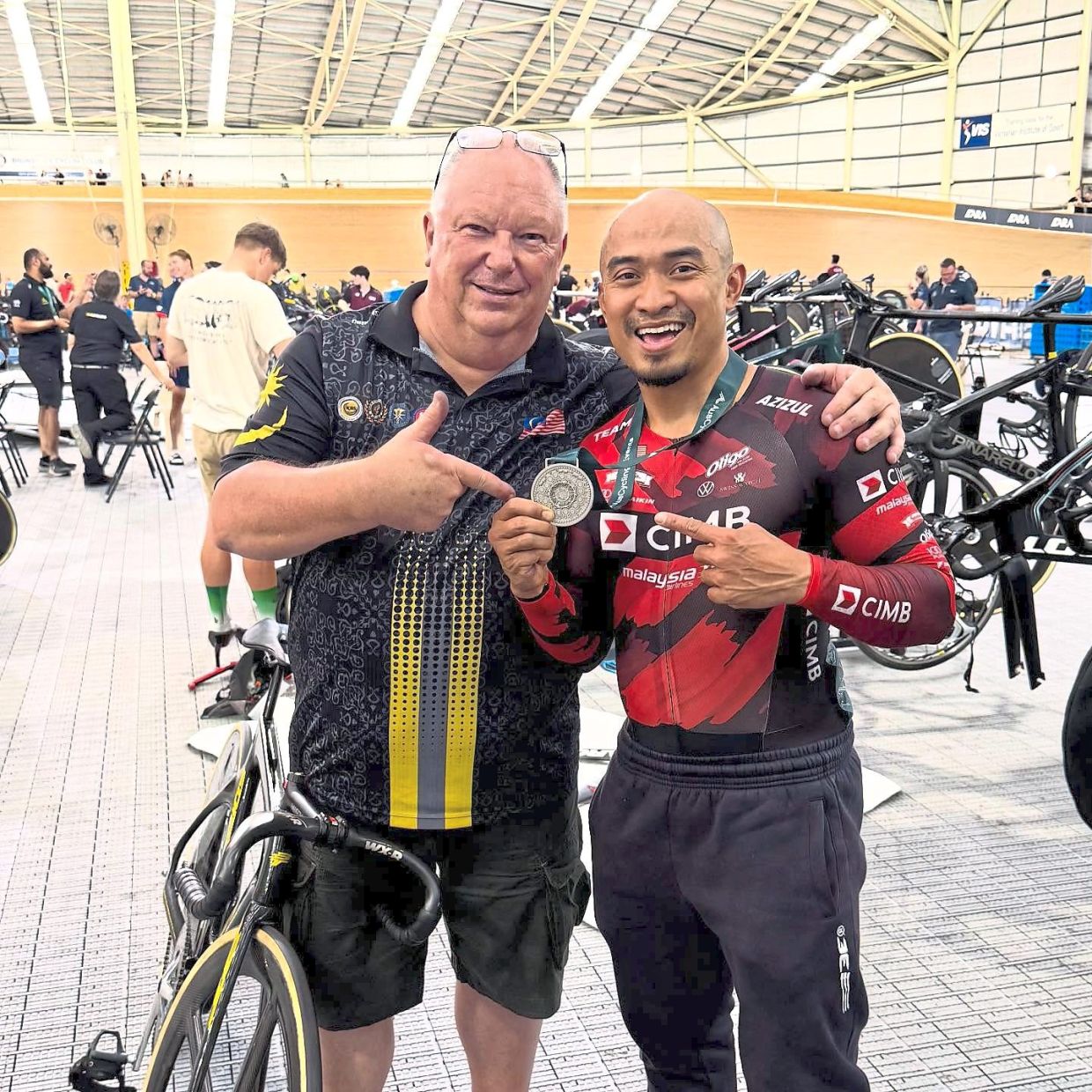
Azizulhasni Awang, Malaysia's decorated track cycling champion, has openly acknowledged the potential consequences of his decision to publicly support technical director John Beasley during a period of significant scrutiny within national cycling governance. The two-time Olympic medallist recognises that stepping into the fray to defend the Australian coach could invite substantial personal and professional risks, including future attempts by detractors to undermine his credibility and reputation.
The crux of Azizul's position centres on his conviction that Beasley has been instrumental in developing Malaysia's track cycling programme over two decades, creating the foundation for multiple world-class athletes to emerge from the national system. Despite understanding the volatile dynamics at play, the Tokyo 2020 Olympics silver medallist maintains unwavering commitment to voicing his support for someone he believes has genuinely transformed the sport's trajectory in the country. This stance reflects a broader tension within Malaysian sports administration, where loyalty to individuals and institutional accountability sometimes collide.
Azizul has expressly stated his readiness to face any fallout should Malaysia's performance at the forthcoming Commonwealth Games and Asian Games fail to meet expectations. He anticipates that criticism and blame may be directed toward him if results disappoint, particularly given his high-profile association with Beasley's continued leadership. This calculated risk-taking demonstrates his willingness to stake his own standing on his belief in the technical director's value to the programme, a move that carries considerable weight given his status as one of Malaysia's most accomplished cyclists.
The Olympic champion's reasoning extends beyond mere personal loyalty. He argues that defending individuals who have made substantial contributions to Malaysian cycling represents a fundamental principle worth upholding, regardless of the personal consequences. This perspective underscores a philosophical approach to sporting ethics where acknowledging genuine talent and impact takes precedence over political expediency or self-preservation. Azizul's framing suggests he views his defence as a necessary corrective to what he perceives as unfair treatment of Beasley during a period of heightened pressure.
When pressed on his motivations and the risks involved, Azizul invoked religious conviction as his source of resilience and confidence. He expressed faith that whatever outcomes materialise will ultimately align with divine will, drawing on the Islamic concept that when Allah decrees something, it will inevitably come to pass. This spiritual grounding appears to provide him with psychological armour against the uncertainties and potential criticism he anticipates facing, allowing him to maintain composure even as professional turbulence surrounds the sport's administrative structures.
The broader context involves significant criticism that has been directed toward Beasley, who has shaped the careers of numerous elite Malaysian track cyclists beyond Azizul himself. These attacks, largely unstructured and conducted through informal channels rather than official governance processes, prompted the Malaysia National Cycling Federation to take disciplinary action. The federation's president, Datuk Amarjit Singh Gill, announced last week that two individuals representing state cycling affiliates would receive show-cause letters for making public criticisms of Beasley without channelling their concerns through proper administrative procedures.
The show-cause action signals an important shift in how the national federation is managing internal disputes, prioritising proper governance channels over public discourse. Officials have emphasised that the disciplinary measures target the manner and forum of criticism rather than the substance of concerns about Beasley's tenure. This distinction is crucial for understanding the administrative machinery at work within Malaysian cycling, where institutional protocols and reputational management have become increasingly significant as competitive pressures intensify and international scrutiny grows.
Azizul's primary concern, despite the surrounding controversy, remains focused on ensuring seamless preparation and execution leading into both the Commonwealth Games and Asian Games. He has appealed for unity and support from all stakeholders—including administrators, federation officials, and observers—emphasising that the athletes themselves deserve backing as they pursue competitive excellence on the international stage. This appeal for consolidation reflects the reality that prolonged internal conflict can undermine team cohesion and distract athletes from their preparation regimens during critical phases before major competitions.
For Malaysian cycling enthusiasts and observers, Azizul's stance raises pertinent questions about how the sport navigates the balance between respecting established technical expertise and addressing legitimate governance concerns. The willingness of a prominent athlete to publicly align himself with a controversial figure, while simultaneously acknowledging the reputational risks this entails, speaks to confidence in Beasley's technical contributions despite broader administrative questions that may persist. His decision to engage in this debate at all represents a departure from the typical reserve shown by professional athletes, suggesting the level of tension currently present within Malaysian cycling governance.
The upcoming international competitions will serve as crucial tests not only for Malaysia's cyclists but also for the sustainability of the current administrative and technical structures overseeing the sport. Success would vindicate Azizul's support for Beasley and validate the federation's approach to managing internal disputes through formal procedures. Conversely, underperformance could intensify existing tensions and provide ammunition to those already questioning the technical director's continued involvement, potentially validating Azizul's own prediction about increased criticism directed toward him. This high-stakes environment underscores why athletes, coaches, and administrators must navigate their roles with careful attention to both performance outcomes and institutional credibility.