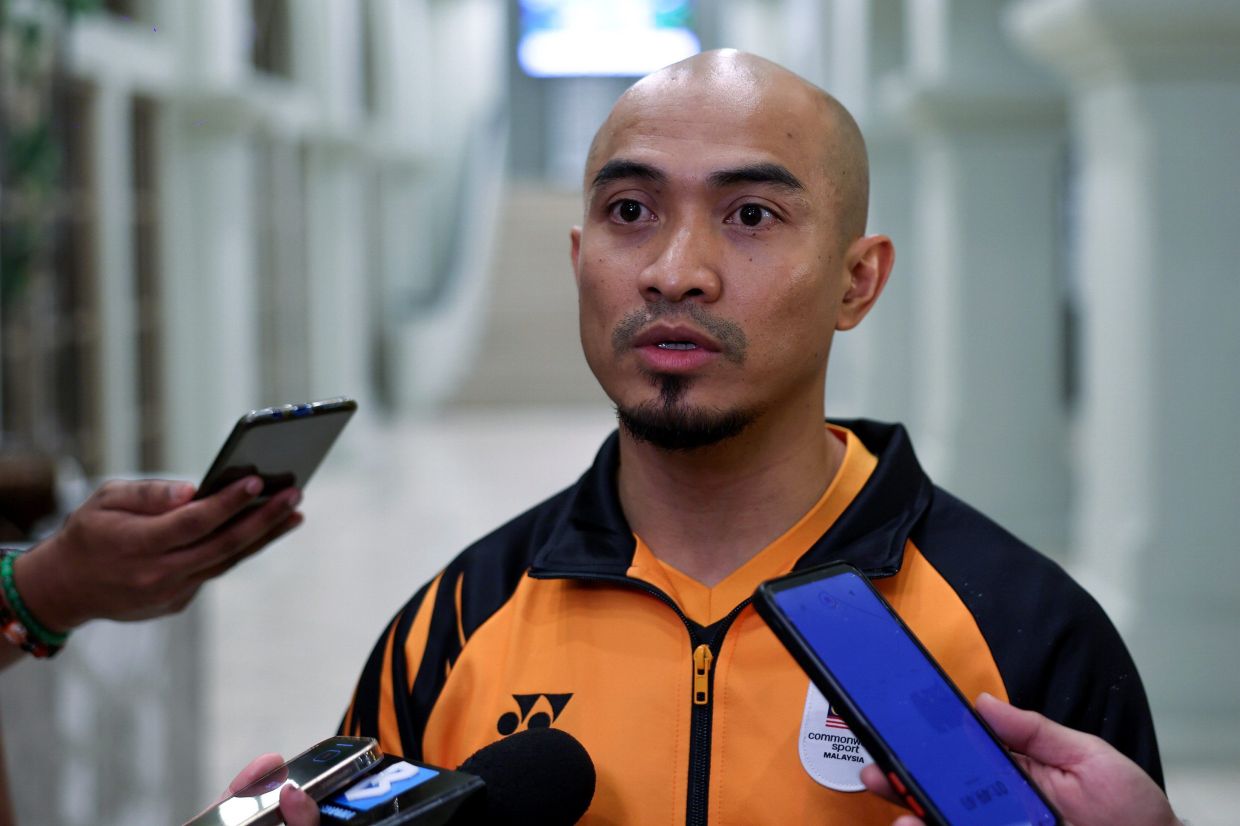
Five-time Olympian Azizulhasni Awang has stepped into turbulent waters by publicly voicing frustrations over what he characterizes as poorly managed deliberations regarding his future with Malaysia's national cycling team. The 38-year-old track cyclist acknowledges that his recent candid statements are likely to provoke strong reactions from various quarters, yet he has resolved to weather whatever consequences follow. His decision to speak reflects growing tensions between elite athletes and the administrative structures governing Malaysian sports, raising broader questions about how national sporting bodies handle the careers of experienced competitors preparing for major international competitions.
Through a detailed statement shared on Instagram, Azizul articulated his grievances about the extended silence from the Youth and Sports Ministry and the National Sports Council regarding his potential pursuit of the 2028 Los Angeles Olympics. The cyclist explained that after numerous attempts to obtain definitive guidance from these institutions, he felt compelled to break his preference for staying focused on training and address the matter publicly. His frustration appears rooted not merely in the uncertainty itself, but in what he perceives as an absence of professional protocols and efficient decision-making at the highest levels of Malaysian sports governance.
According to Azizul's timeline, more than two months had elapsed since a June 23 meeting where he and John Beasley, the national cycling team's technical director, had presented a comprehensive briefing on the Olympic qualification pathway and the specific obstacles confronting Malaysian track cycling. During that session, the athlete and his technical leadership attempted to provide clarity on what would be required to achieve competitive readiness for Los Angeles. The prolonged silence following this meeting apparently crystallized Azizul's conviction that the bureaucratic machinery was operating at an unacceptable pace.
The cyclist's critique extends beyond mere procedural delays to encompass the quality of leadership within Malaysian sports administration. Azizul pointedly questioned both the experience and the competence of individuals placed in senior positions overseeing the nation's athletic development. His remarks suggest systemic concerns about appointment processes and the qualifications of those holding decision-making authority. By highlighting these governance shortcomings, Azizul has directed attention toward how leadership vacuums at organizational levels can cascade downward, ultimately harming grassroots development and constraining opportunities for athletes competing at international standards.
Despite his willingness to endure potential retaliation, Azizul emphasized that his intervention was never intended to reach such a confrontational stage. He stated explicitly that he would have preferred to remain silent, dedicating himself entirely to the technical and physical demands of Olympic preparation. This reluctant public stance underscores how the prolonged uncertainty had become incompatible with his capacity to maintain training focus. For an athlete navigating the final stretch toward a major Games at an advanced age by elite sporting standards, such administrative ambiguity represents a genuine threat to competitive opportunity.
Azizul's willingness to accept the fallout reflects a calculated judgment about the stakes involved. He characterized those in his professional orbit as aware of his straightforward approach, positioning his frankness as ultimately beneficial to collective interests rather than driven by personal grievance. The athlete described himself as occupying the moral high ground, knowing he advocates for principles that should govern athlete welfare and professional management within sports institutions. This framing suggests he anticipates his critics may dismiss his concerns as self-interested complaints, necessitating a preemptive defense of his motives.
The cyclist's observations about athlete courage carry particular resonance within Malaysian sports culture. Few professional athletes publicly challenge administrative decisions or voice criticism of government-linked sporting bodies, creating an implicit hierarchy where institutional authority remains largely insulated from accountability to competitors. Azizul's intervention represents a rare instance of an established national figure leveraging his profile and credibility to contest official processes. His willingness to accept the consequences of speaking positions him as an outlier in a system that typically encourages deference from sporting personnel.
The broader implications of Azizul's statement extend to how Malaysia approaches athlete development during mid-career transitions. At 38, he remains competitive at international levels, yet uncertainty about institutional commitment creates strategic dilemmas for extended Olympic participation. Similar situations may confront other Malaysian athletes whose experience and capability could contribute substantially to national sporting performance, yet who encounter administrative obstacles during prolonged qualification cycles. Azizul's case illustrates potential inefficiencies in how sports governance structures support senior competitors navigating high-stakes international competition.
Azizul's framing of his statement as potentially transformative for Malaysian sports reflects optimism about institutional reform responding to public critique. He expressed hope that his willingness to absorb reputational risk might catalyze systemic change, particularly safeguarding athlete welfare and ensuring competitive access. This ambitious objective suggests he views his moment of candor as contributing to longer-term shifts in how Malaysian sports organizations operate. Whether such institutional recalibration occurs remains uncertain, but Azizul's intervention has at minimum elevated the conversation about athlete-administrator relations and professional standards within domestic sporting governance.

