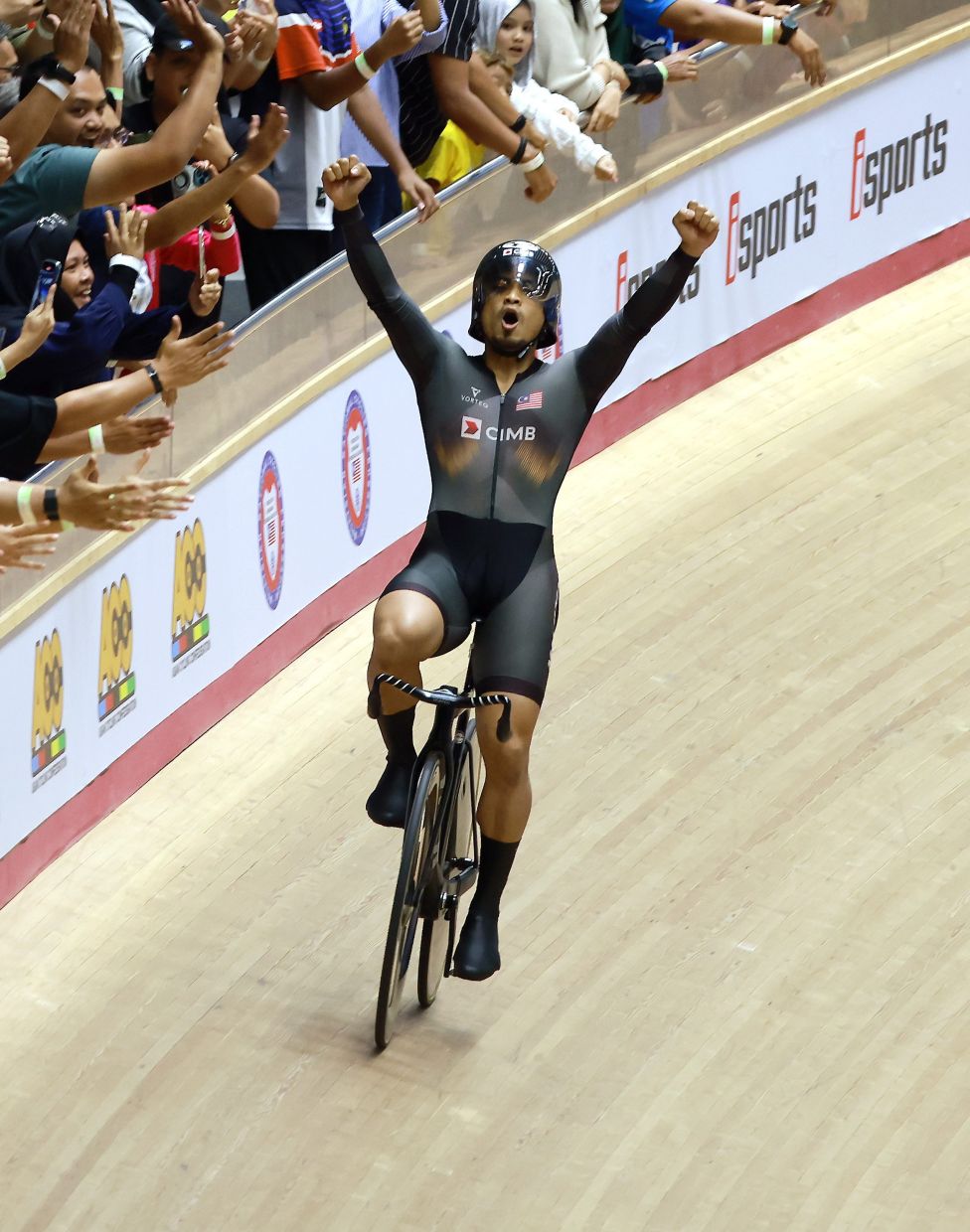
Track cyclist Azizulhasni Awang's anxiety about his sporting future came to an abrupt end on Merdeka Day when the National Sports Council (NSC) and Youth and Sports Ministry formally confirmed they would back his attempt to qualify for the 2028 Los Angeles Olympics. The 38-year-old veteran, who has represented Malaysia across multiple Olympic Games, could not contain his emotions upon learning the news via email at the velodrome during his first training session after a week-long layoff. In a social media video, he spoke openly about the psychological toll the uncertainty had taken, describing how his body and mind felt disconnected from the sport during his absence from training.
For weeks leading up to this decision, Azizulhasni had endured an anxious limbo that tested his resolve as an athlete nearing the twilight of his career. Having previously signalled his intention to retire from competitive cycling, he made clear that his willingness to continue racing was contingent entirely upon receiving explicit support from Malaysia's sporting authorities. The delay in receiving this confirmation had forced him into an uncomfortable position where he could neither commit fully to an intensive Olympic qualification campaign nor plan a dignified exit from the sport. This uncertainty became a defining issue within Malaysian cycling circles, drawing widespread public attention and debate about how the nation's sporting institutions manage their elite athletes.
The Malaysian National Cycling Federation (MNCF) had previously announced that it had received assurances from both the NSC and the ministry that adequate support would be provided for Azizulhasni's LA 2028 qualification bid. However, the formal confirmation reaching the athlete himself had been delayed, creating a frustrating gap between administrative assurance and the athlete's own peace of mind. This disconnect highlighted potential communication breakdowns within the sports support system and raised questions about how decisions affecting individual athletes are conveyed and implemented.
Azizulhasni's public expression of frustration about the lack of clarity became a catalyst for broader scrutiny of the NSC's decision-making processes. Youth and Sports Minister Dr Taufiq Johari and the NSC came under considerable public pressure as netizens rallied behind the experienced cyclist on social media platforms. The groundswell of support for Azizulhasni reflected public recognition of his contributions to Malaysian sports over a lengthy career, as well as sympathy for what many perceived as unnecessary bureaucratic delays affecting an athlete seeking clarity about his future.
The emotional release evident in Azizulhasni's response to receiving confirmation underscores the psychological pressures that elite athletes face beyond the physical demands of competition. For an athlete in his late thirties, the prospect of committing to another Olympic cycle represents a significant decision that affects not only his sporting goals but also his family, finances, and post-athletic career planning. The uncertainty about whether his government would back this final push had created stress that manifested during his week away from training, illustrating how administrative decisions directly impact athlete wellbeing and performance capacity.
As one of Malaysia's most accomplished track cyclists, Azizulhasni brings considerable experience and proven international credentials to the national Olympic programme. His previous achievements, including world championship success in the keirin event, demonstrate the calibre of talent involved. Supporting his qualification attempt for LA 2028 represents an investment in a known quantity—an athlete with established credentials rather than an untested prospect. For the NSC and ministry, confirming this support aligns their decision-making with the demonstrated capabilities and potential of a tried athlete.
The public support that rallied behind Azizulhasni during his weeks of uncertainty played a meaningful role in validating his position and perhaps accelerating the authorities' decision-making process. His gratitude toward the thousands of Malaysians who expressed support through messages and comments reflected his recognition that public backing had created momentum and pressure that facilitated resolution. This dynamic illustrates how social media and public opinion can intersect with institutional decision-making in modern sports governance, particularly when athletes feel their concerns are not being adequately addressed through official channels.
Looking ahead, Azizulhasni now faces the concrete challenge of translating this administrative confirmation into actual qualification success for LA 2028. With formal backing secured, he can focus entirely on the intensive preparation and competition schedule necessary to earn a spot on the Olympic team. The timeline to the Games remains substantial, providing sufficient opportunity for him to mount a credible campaign. His commitment to delivering results for Malaysia, as expressed in his social media statement, reflects both his desire to conclude his career on a high note and his sense of obligation to the country that has supported his athletic development.
The resolution of Azizulhasni's situation also carries implications for how Malaysian sports institutions manage communications with elite athletes in future scenarios. The delay in providing formal confirmation, despite prior administrative coordination, suggests that processes could be streamlined to ensure clarity reaches athletes promptly. As Malaysia continues to develop its Olympic and international sporting ambitions, improving the responsiveness and transparency of support systems will be crucial for retaining experienced talent and maintaining morale within the athlete community.
For Malaysian cycling and the broader sports ecosystem, Azizulhasni's continuation represents continuity of expertise and international-level performance capability in track cycling. His presence at LA 2028 will contribute to Malaysia's Olympic representation and provide mentorship value for younger cyclists developing within the national programme. The resolution of his situation also closes a chapter of public controversy around the NSC and ministry, though the broader questions about athlete support systems and administrative responsiveness remain relevant for ongoing institutional consideration.

