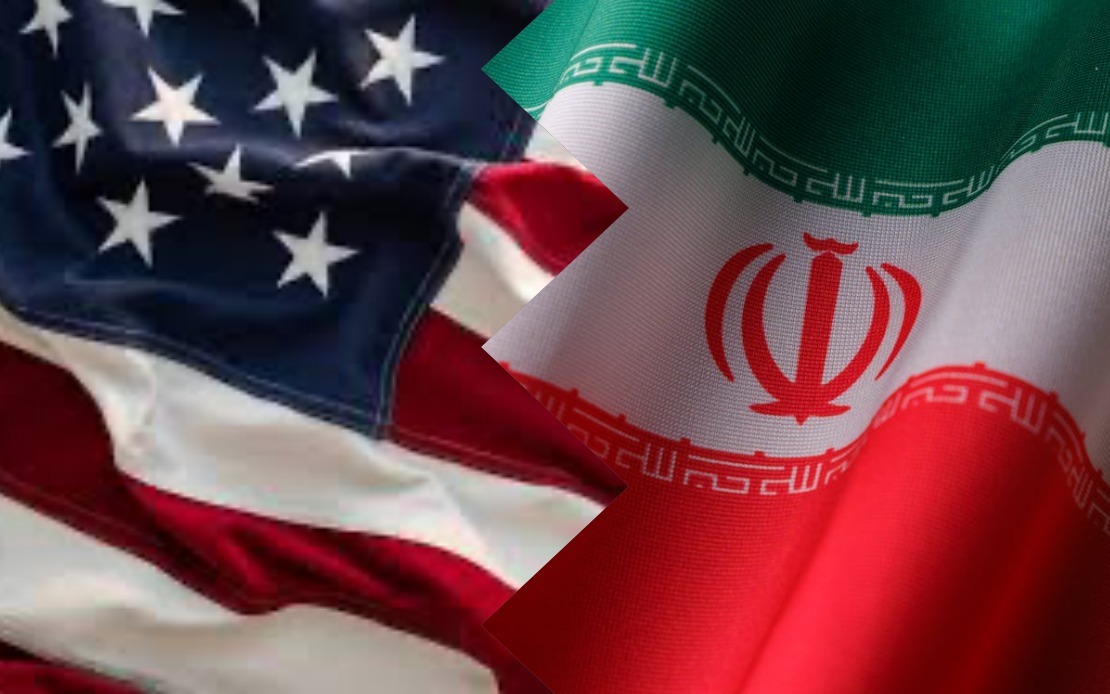
Bahrain activated its air raid sirens in the early hours of Wednesday following a significant escalation in military operations by the United States against Iranian targets across the southern region. The government's Ministry of Interior urged residents and citizens to proceed calmly to designated shelter areas, though initial announcements did not elaborate on the specific trigger for the alert. The siren activation marked a visible sign of the mounting regional instability affecting the small Gulf monarchy and highlighting the broader security implications for commercial shipping and civilian populations in one of the world's most strategically important waterways.
The alert in Bahrain occurred shortly after the US military confirmed it had completed a major retaliatory operation, with American forces targeting more than 80 positions belonging to Iranian military installations. The United States Central Command issued an official statement characterising the strikes as an "immediate response" to Iranian attacks directed against commercial vessels navigating the Strait of Hormuz. This sequence of tit-for-tat military actions underscores the dangerous escalation cycle that has gripped the Arabian Gulf, where shipping lanes carrying roughly one-third of global seaborne oil trade have become flashpoints for international tension.
According to reporting from the Axios news organisation, Iranian military forces had launched unmanned aerial vehicles toward Bahrain shortly before the US strikes commenced. While Bahrain's government did not initially confirm details about these incoming drones or their origin, the correlation between Iranian air activity and the subsequent activation of civilian protective measures suggests that regional air defences were being put on heightened alert. The presence of such threats, whether intercepted or otherwise neutralised, represents a concerning escalation from previous incidents that had largely involved maritime harassment and cargo interference.
The broader context involves a prolonged campaign of Iranian pressure against commercial shipping in the Strait of Hormuz, one of the world's most critical maritime chokepoints. Tehran has increasingly employed drone strikes and the seizing of vessels to exert leverage in various political and military disputes. The latest round of attacks on commercial shipping provided the justification for Washington to authorise the extensive military response that prompted the sirens in Bahrain. This pattern of provocation and retaliation threatens not only regional stability but also global energy security and the safety of international maritime commerce.
For Malaysia and other Southeast Asian nations, the implications of escalating Gulf tensions extend well beyond the immediate region. A significant portion of Malaysian trade routes depend on stable passage through the Strait of Hormuz, and any disruption to shipping lanes or expansion of military conflict would directly impact regional economies. Malaysian shipping companies and oil importers have already experienced increased insurance costs and operational challenges due to the precarious security situation. The activation of air raid sirens in Bahrain signals that the conflict has moved beyond remote military strikes and now poses direct risks to civilian populations and infrastructure.
Bahrain itself occupies a particularly vulnerable position given its hosting of the US Fifth Fleet headquarters and its status as a crucial regional ally of Washington. The kingdom's geographic proximity to Iran, located merely across the Persian Gulf, makes it susceptible to any escalation in Iranian military operations. The country's dense population and reliance on international commerce mean that prolonged instability would have cascading effects on its economy and social stability. Bahrain's measured but urgent government response through the Ministry of Interior suggests an attempt to balance public reassurance with the serious nature of the security threat.
The frequency and scale of these military exchanges point toward a dangerous normalisation of direct conflict between American and Iranian forces. What began as proxy conflicts and maritime harassment has evolved into explicit targeting of military infrastructure by the world's most powerful military force. The Iranian response with drone launches demonstrates Tehran's willingness to engage in direct confrontation despite the asymmetry in conventional military capabilities. This tit-for-tat dynamic creates substantial risks of miscalculation or unintended escalation that could rapidly spiral beyond anyone's ability to control.
Regional governments including those in Southeast Asia face mounting pressure to address the security implications of Gulf instability. Any further deterioration could necessitate enhanced naval presence from regional powers to protect shipping interests, increased defence spending, and diplomatic efforts to prevent the conflict from expanding. The warning issued to Bahrain's residents also reflects the vulnerabilities of smaller states caught between major power competitions in their own geographic spaces. For Malaysia specifically, the government may need to reassess security protocols for Malaysian-flagged vessels transiting the region and potentially increase coordination with regional maritime security partners.
The broader geopolitical context also matters significantly. These military operations reflect decades of American strategic commitment to maintaining freedom of navigation and limiting Iranian influence in the Gulf, while Iran views its military actions as defensive measures against what it perceives as existential threats. The gap between these competing narratives makes diplomatic resolution increasingly difficult. Malaysia and other non-aligned nations in Southeast Asia have traditionally sought to maintain balanced relationships with both Western and Middle Eastern powers, making the current polarisation particularly challenging for their strategic positioning.
Looking forward, the activation of sirens in Bahrain serves as a reminder that regional conflicts can quickly acquire kinetic dimensions that affect civilian populations. The international community, including Malaysian policymakers and business leaders dependent on Arabian Gulf stability, must grapple with the reality that military solutions to political disputes rarely produce lasting peace. The challenge for Southeast Asian nations lies in protecting their economic interests while avoiding entanglement in conflicts that, however distant geographically, carry genuine implications for regional prosperity and security.

