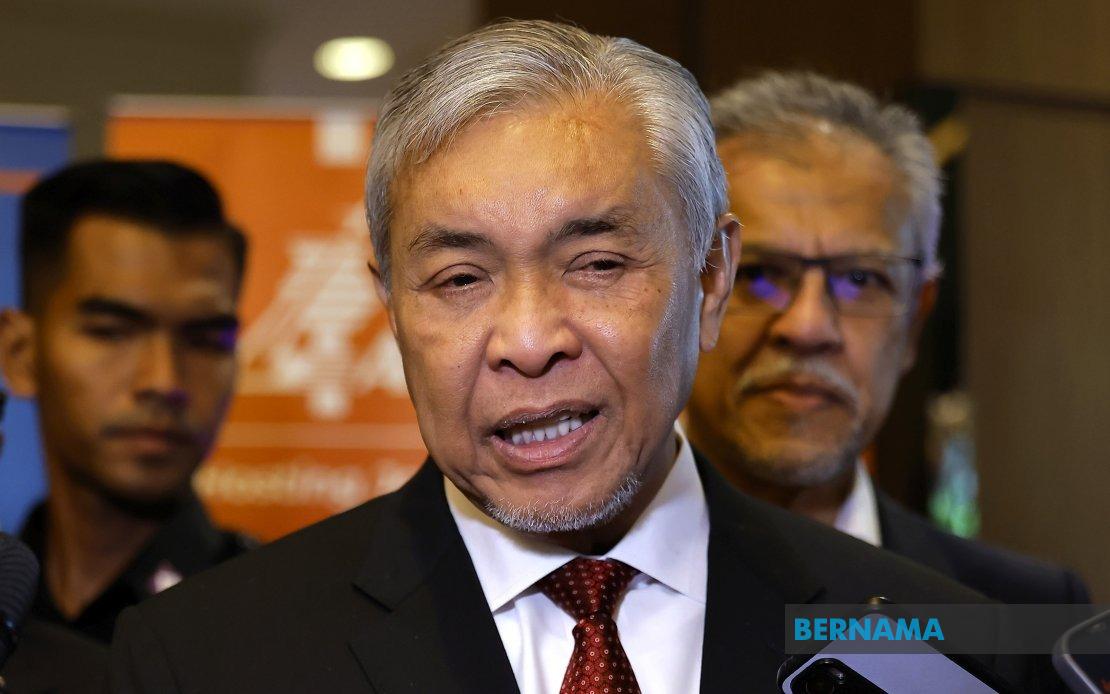
Malaysia is set to capitalise on hosting the Bahrain Gulf Air Formula One Grand Prix at the Sepang International Circuit from October 2 to 4, 2026, with Deputy Prime Minister Datuk Seri Dr Ahmad Zahid Hamidi projecting significant economic returns for the nation. Despite Bahrain covering the substantial expenses of staging the race, Malaysia will gain considerable medium and long-term advantages through enhanced international visibility, increased tourist arrivals, and potential attraction of future global sporting events and investment opportunities.
Ahmad Zahid outlined the broader strategic value of the event during the launch of the National Air Disaster Preparedness 2026 workshop, noting that the global reach of Formula One extends far beyond the race weekend itself. The Grand Prix will be broadcast to millions of viewers across the world, generating extensive international media coverage that amplifies Malaysia's position as a premier motorsports destination and modern, well-equipped nation capable of hosting elite sporting competitions.
The Deputy Prime Minister emphasised that Sepang International Circuit possesses world-class infrastructure that has remained underutilised in recent years, with MotoGP representing the circuit's primary major international motorsports commitment. The facility's capabilities remain underexploited relative to its potential, and hosting F1 would demonstrate the venue's capacity to accommodate the sport's most demanding technical and operational requirements.
Ahmad Zahid articulated a longer-term vision for Malaysia's motorsports future, suggesting that the successful execution of the 2026 Bahrain race could strengthen the nation's competitive position to secure its own standalone Formula One event in subsequent years. However, such ambitions would require sustained government commitment, dedicated financial allocations, and substantial corporate sponsorship partnerships from both domestic and international sources.
Drawing parallels with MotoGP's funding model, Ahmad Zahid highlighted how Malaysia has restructured its approach to hosting marquee sporting events. Following directives from the Prime Minister, the Cabinet determined that major events should not depend exclusively on allocations from the Ministry of Youth and Sports through the Ministry of Finance. Instead, a diversified funding approach combining development projects, commercial sponsorships, and collaborative partnerships offers greater sustainability and reduces strain on public coffers.
The confirmation of Malaysia's 2026 F1 hosting came officially from Formula 1 and the International Automobile Federation (FIA) on the day prior to Ahmad Zahid's remarks, pending finalisation of contractual agreements and necessary regulatory approvals from the World Motor Sport Council. The race positioning on the F1 calendar, sandwiched between the Azerbaijan Grand Prix and Singapore Grand Prix, represents a strategically valuable slot that could draw significant regional and international participation.
For Malaysia's economy, the implications extend across multiple sectors beyond motorsports itself. International Grand Prix events typically stimulate hotel occupancy, airline bookings, restaurant and retail activity, and premium hospitality services during race weekends. Tourism authorities anticipate elevated interest from international visitors seeking to experience the paddock, fan zones, and associated entertainment offerings that accompany Formula One's arrival.
The announcement also positions Malaysia's aerospace and defence capabilities within a global context, as the nation demonstrates capacity to host complex logistical operations and international security protocols required for Formula One events. Such visibility can influence perceptions of Malaysia's administrative competence and infrastructure quality among international investors and business decision-makers.
Regionally, Malaysia's hosting of the Bahrain F1 race reinforces Southeast Asia's significance within the global motorsports calendar. The concentration of major races in the Asia-Pacific region—including Singapore's established fixture—elevates the profile of multiple countries and creates regional tourism corridors that benefit participating nations through coordinated promotional efforts and neighbouring country traffic.
However, realising these projected economic benefits depends critically on effective coordination between government agencies, circuit management, international stakeholders, and local businesses. Past Malaysian sporting events have demonstrated both the potential and pitfalls of major event hosting, underscoring the importance of comprehensive planning, transparent budgeting, and community engagement strategies.
The financing structure for Malaysia's involvement merits scrutiny, as the arrangement positions Bahrain as the primary financial contributor while Malaysia derives indirect benefits. This model contrasts with traditional Grand Prix hosting arrangements where the host nation assumes primary financial responsibility but captures corresponding economic gains. The implications of this cost-sharing approach for future Malaysian sporting ambitions require careful analysis by policymakers seeking to balance economic opportunity against fiscal responsibility.
Ahmad Zahid's remarks suggest the government views this 2026 event as a testing ground for Formula One's viability in Malaysia, with potential pathway toward securing Malaysia's own F1 race in future calendar years. Such progression would require demonstration of effective event management, satisfactory economic outcomes, and continued international appeal that justifies investment from both corporate and government sectors.

