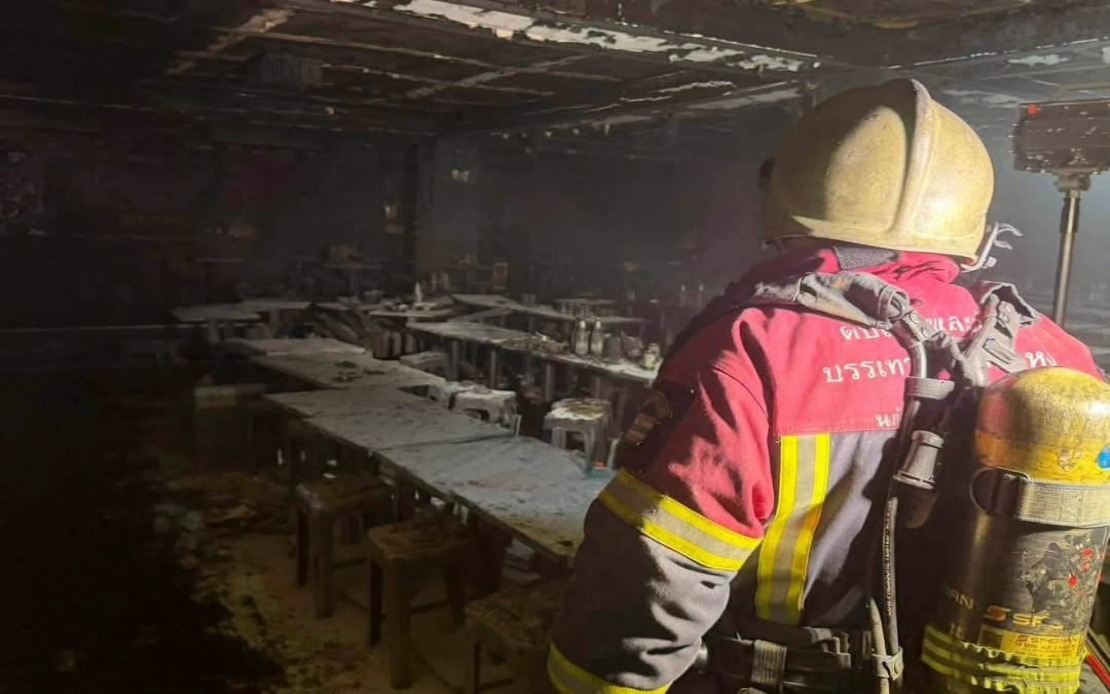
A catastrophic fire tore through a bar in the Lat Phrao area of Bangkok's Chatuchak district early Monday morning, claiming at least 27 lives and leaving 18 others injured in what appears to be one of Thailand's deadliest nightlife disasters in recent years. The blaze, which ignited after midnight, spread with such ferocity that victims had little time to escape, with many succumbing to thick smoke that filled the venue. Bangkok Governor Chadchart Sittipunt arrived at the scene around 2:40 am to survey the devastation and coordinate the initial investigation into the incident.
The death toll comprises nine men and 18 women, according to the Bangkok Metropolitan Administration's Department of Disaster Prevention and Mitigation. Among the injured, eight were in critical condition, seven suffered moderate injuries, and three sustained minor wounds. Authorities believe smoke inhalation was the primary cause of death for most victims, though definitive confirmation awaits forensic examinations and the completion of ongoing investigations. The overwhelming proportion of female casualties has raised questions about the nature of the venue and the circumstances that may have hindered women's escape routes more severely than others.
In an unusual detail that hints at the fire's origin, Prime Minister Anutin Charnvirakul visited the site early Monday and spoke with a musician performing at the time of the outbreak. The musician recounted that the fire appeared to originate at an electrical switchboard before escalating rapidly with explosions that sent patrons into a desperate scramble for exits. This account suggests an electrical malfunction may have triggered the initial blaze, though investigators have not yet confirmed this as the definitive cause. The rapid progression from electrical fault to full-scale conflagration raises serious questions about the establishment's electrical infrastructure and maintenance standards.
One of the most troubling preliminary findings concerns the location where numerous victims were discovered. Governor Chadchart revealed that several bodies were found clustered near an emergency exit on the left side of the building, indicating that the exit may have been obstructed or that panic-stricken patrons simply could not reach it in time. This detail mirrors patterns seen in other deadly nightclub fires worldwide, where emergency exits prove inadequate or become blocked during emergencies, turning them from lifelines into death traps. The compressed timeline between fire outbreak and full occupancy evacuation left victims with mere minutes to locate and use these exits.
The physical evidence at the scene provides further clues about what unfolded during the disaster. Investigators noted that while flames spread with unusual speed through the ceiling area—suggesting possible combustible materials above or within the structural framework—plastic tables and chairs inside remained largely intact. This discrepancy suggests that the fire may have originated overhead rather than from contents on the floor, consistent with an electrical fault in ceiling-mounted or roof-level electrical systems. The preservation of furnishings despite the loss of life underscores how quickly the smoke became life-threatening even as the visible flames remained relatively contained to upper sections.
The Bangkok Metropolitan Administration has launched a comprehensive safety inspection targeting the establishment's compliance with regulations and operational standards. Authorities are examining whether the bar possessed a valid operating license, the adequacy and visibility of emergency exit signage, the actual number of functioning emergency exits, and whether evacuation routes had been compromised by furniture, locked doors, or other obstructions. These inquiries will likely extend beyond this single venue, as Thai authorities begin a broader assessment of nightlife establishment safety across Bangkok, potentially identifying systemic compliance failures.
The incident carries particular significance for Southeast Asia's regulatory environment surrounding entertainment venues. Thailand's nightlife industry, which generates substantial tourism revenue and employs tens of thousands, operates in a landscape where enforcement of safety codes can be inconsistent. The lethal outcome of this fire will almost certainly prompt a regional conversation about whether similar risks exist in comparable venues across the broader Southeast Asian hospitality sector, including in Malaysia where nightclub and bar operations also serve significant tourist and local populations.
Governor Chadchart issued a call for families to monitor official updates through the coordination centre as victim identification proceeded through medical and official channels. The scale of identification work—with at least 27 fatalities to process—suggests a prolonged investigation period, during which forensic teams will examine structural remains, electrical systems, and other physical evidence. This methodical approach, while necessary for establishing accountability and preventing future incidents, will extend the trauma for grieving families awaiting confirmation of their loved ones' fates.
Beyond the immediate tragedy, this fire will likely catalyze policy changes in Thailand and potentially across Southeast Asia regarding nightlife safety standards. The combination of electrical failure, emergency exit obstruction, and rapid smoke spread represents a convergence of preventable factors, each of which could independently have proven survivable had it been addressed beforehand. For regional governments and venue operators, the message is unambiguous: the cost of safety compliance is trivial compared to the human and reputational consequences of catastrophic failure. Investigations into the Lat Phrao bar fire will consume weeks or months, but the urgency of implementing preventive measures should not be delayed pending their completion.

