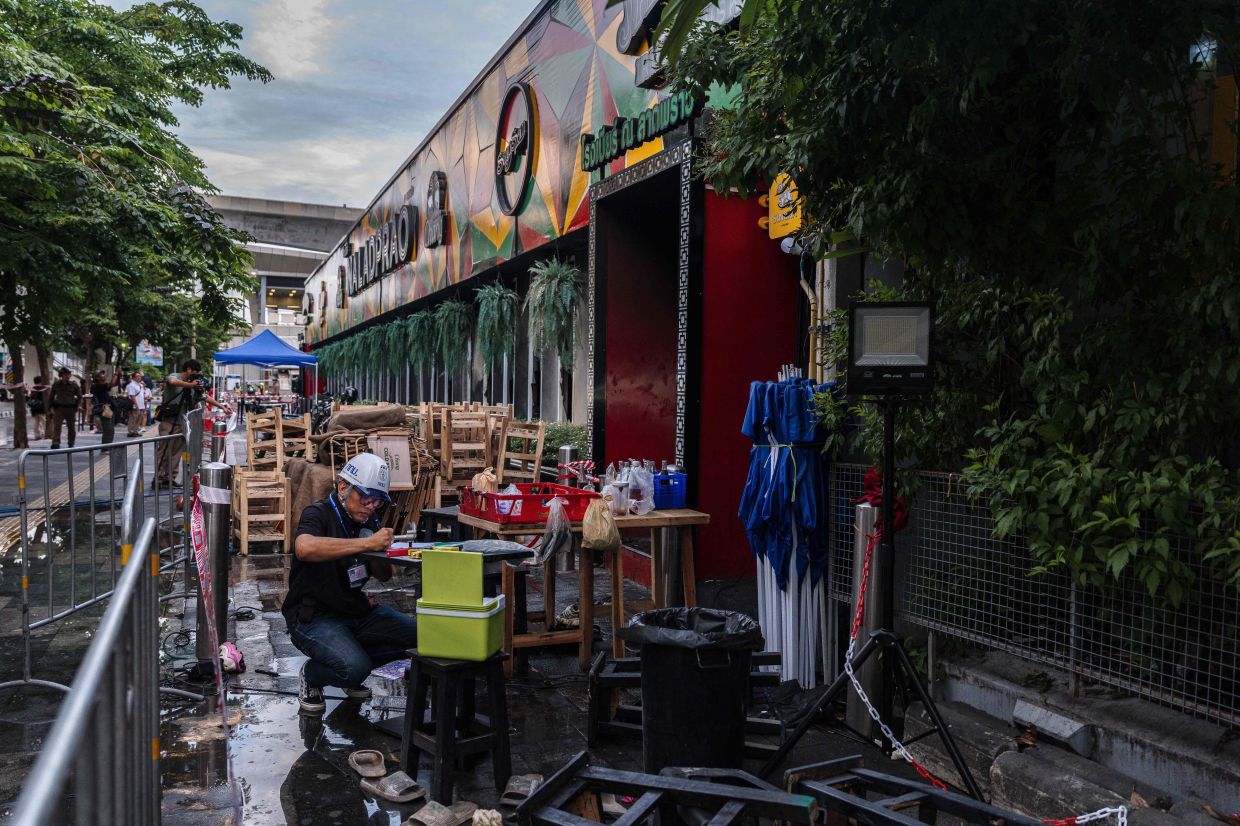
Bangkok's emergency response machinery swung into action following a catastrophic fire at a restaurant and brewery establishment in the Lat Phrao area that claimed 27 lives and left 18 others wounded. Within hours of the disaster, Bangkok Governor Chadchart Sittipunt arrived at the scene just before 2.40am on Monday to oversee initial operations and issue directives aimed at supporting victims' families whilst launching a broader examination of safety standards across similar venues in the capital.
Recognising the immediate need to coordinate assistance for those affected, the Chatuchak District Office established a dedicated coordination centre specifically to serve relatives of the deceased and injured. The operation reflects Thai authorities' understanding that alongside the immediate rescue and recovery phase, families require centralised access to information, emotional support, and practical assistance navigating what will undoubtedly be a prolonged grieving and administrative process. Governor Chadchart has established this infrastructure as a critical first step in the municipality's response to what many will regard as a preventable tragedy.
Beyond victim support, the Bangkok Metropolitan Administration has cast a wide net in its follow-up actions, ordering comprehensive inspections of the venue's operating permits and fire-safety infrastructure. These checks represent an acknowledgement that the tragedy likely resulted not from a single unforeseen circumstance, but from systemic vulnerabilities in building management, emergency procedures, or regulatory oversight that may exist at multiple entertainment venues throughout Bangkok. The investigation will focus particularly on the adequacy and accessibility of emergency exits, the clarity of evacuation signage, and whether escape routes were unobstructed—fundamental safeguards that are often compromised through poor management or negligent refurbishment.
The fire itself progressed with alarming speed. Firefighters under Suriyachai Rawiwan, director of Bangkok's Fire and Rescue Department, arrived approximately five minutes after receiving the emergency alert, yet by their arrival flames had already engulfed substantial portions of the building. The rapid horizontal spread suggests the fire consumed highly combustible materials, possibly including the plastic furnishings and decorative elements visible at the scene. The thick smoke that subsequently filled the venue created a secondary hazard that may have been even more lethal than the flames themselves, incapacitating occupants before they could locate exits or escape routes.
The pattern of fatalities reveals critical vulnerabilities in the building's design and the occupants' awareness of emergency procedures. Many victims were discovered in or near toilet areas at the rear of the structure, suggesting they may have sought refuge in what they perceived to be safer spaces rather than pursuing evacuation. Equally troubling, some bodies were located adjacent to what investigators identified as an emergency exit on the building's left side, possibly obstructed by furnishings or structural impediments that prevented occupants from utilising what should have been a lifeline. These findings underscore how venue layout, maintenance practices, and adherence to safety protocols directly determine whether exits function as intended during genuine emergencies.
Governor Chadchart has articulated a preliminary theory warranting specialist investigation: that toxic smoke generated by interior decorative materials may have caused widespread loss of consciousness before victims could successfully evacuate. The observation that plastic chairs and tables in certain areas sustained minimal heat damage, contrasted with the comprehensive ceiling damage, suggests flames spread through overhead spaces potentially rich in synthetics and foam-based insulation. The smoke generated by such materials under combustion conditions produces carbon monoxide, hydrogen cyanide, and other compounds that can incapacitate humans in minutes. However, officials have appropriately resisted drawing definitive conclusions until forensic analysis of materials and post-mortem examinations can confirm whether smoke inhalation was indeed the primary cause of death across the 27 fatalities.
Initial findings regarding the venue's emergency infrastructure have already raised concerns about compliance with established safety standards. Investigators identified only two escape routes serving what appears to have been a substantial occupancy—one of which passes through the kitchen, a space presenting obvious hazards during a fire emergency when kitchen equipment, cooking oils, and electrical systems may themselves be sources of flame or smoke. Whether these two exits satisfied legal requirements for the building's designated capacity and use classification remains under examination. The thoroughness of this assessment will determine whether current regulations are adequate or whether Thai fire codes require strengthening.
The demographic composition of casualties—nine men and 18 women among the 27 deceased—reflects the venue's appeal to Bangkok's entertainment-seeking population, many of whom may have been unfamiliar with the building's layout and exit locations. An additional 18 people sustained injuries of varying severity, with eight classified as serious, demonstrating that those who did escape often did so under circumstances of considerable physical trauma. The hospitalization of all injured survivors indicates the intensity of exposure to heat, smoke, and toxic gases, as well as potential crush injuries occurring during panicked evacuation attempts.
The broader implications of this tragedy extend well beyond the immediate Lat Phrao district, raising questions about enforcement of fire codes and safety standards across Bangkok's expansive hospitality sector. Thailand's entertainment venues—ranging from small neighbourhood bars to large nightclubs and restaurants—frequently operate in converted residential buildings, warehouse spaces, or structures whose original design may not have anticipated commercial use with high occupancy rates. Regular inspections, surprise safety audits, and meaningful penalties for non-compliance would address systemic weaknesses, yet resource constraints and occasional regulatory laxity have historically limited such oversight. This incident may catalyse more rigorous implementation of existing standards and potentially spur revision of regulations themselves.
The coordination centre established by the Chatuchak District Office represents the immediate human dimension of Bangkok's response. With formal identification procedures still underway and relatives seeking verified information about their loved ones, this central facility will provide essential guidance whilst preventing the chaotic dissemination of inaccurate information that can compound families' distress. Contact numbers have been publicised to enable relatives and affected parties to obtain assistance, whether through inquiries about the deceased, support for injured persons, or practical aid during what will be an extended recovery period for the community.
Governor Chadchart has identified three immediate priorities that frame the Bangkok Metropolitan Administration's approach: supporting families through coordinated assistance, verifying that the venue held valid operating permissions, and determining whether its fire-escape infrastructure met legal and safety requirements. The pace of this investigation and the comprehensiveness of subsequent safety audits across similar venues will signal whether Thai authorities regard this as an isolated incident or as a symptom of broader systemic vulnerabilities requiring urgent remediation. For Bangkok residents and the hundreds of thousands who frequent the capital's entertainment venues weekly, the investigation's findings and any resulting policy changes may determine whether similar tragedies can be prevented.
As rescue and recovery operations continue and forensic teams complete their examination of the scene, families await official confirmation of identities and causes of death. The Bangkok Metropolitan Administration has extended formal condolences whilst pledging comprehensive support for those affected and a thorough institutional review of the incident and applicable safety measures. Whether this commitment translates into meaningful regulatory reform and consistent enforcement of standards will ultimately determine whether the 27 lives lost catalyse lasting changes in how Thailand manages fire safety in commercial venues.

