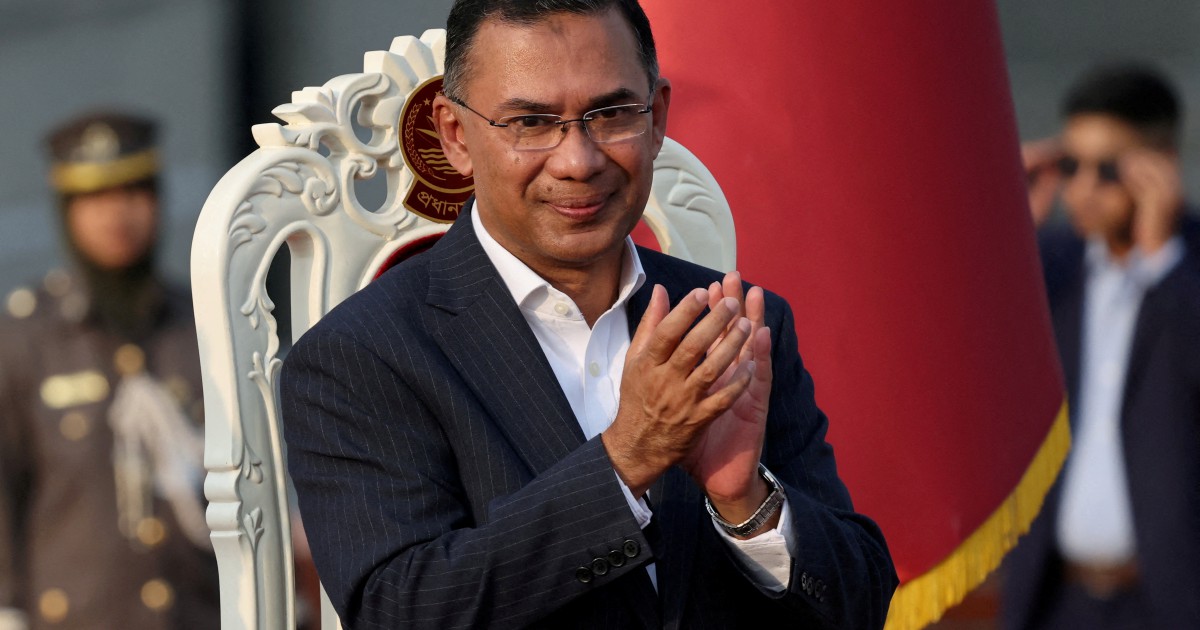
Bangladesh has signalled a hardening stance on a significant diplomatic irritant between itself and India, declaring that Prime Minister Tarique Rahman will not travel to New Delhi until the country extradites former premier Sheikh Hasina, who fled the nation during the tumultuous 2024 uprising. The announcement, delivered on Sunday, represents a direct and public confrontation with India over one of the most contentious issues dominating bilateral relations since Hasina's departure.
The refusal to permit a prime ministerial visit to India underscores the depth of frustration within Bangladesh's leadership over Hasina's sanctuary in New Delhi. Since the former premier's escape during last year's civil unrest, her presence in India has become a symbol of what Bangladesh perceives as inadequate support from its larger neighbour in returning a political figure accused of severe human rights violations and crimes against the state. The government in Dhaka has grown increasingly vocal about its expectation that New Delhi should facilitate her return to face justice in Bangladesh's courts.
Sheikh Hasina's departure during the 2024 uprising marked a dramatic reversal of fortune for a leader who had governed Bangladesh for consecutive terms and wielded considerable influence over the nation's political and economic trajectory. The uprising that precipitated her flight reflected accumulated public grievances over governance, economic hardship, and alleged authoritarian conduct. Her escape to India, a country where she maintains historical connections and diplomatic standing, immediately created a diplomatic quandary that neither government has successfully resolved.
India's reluctance to extradite Hasina reflects New Delhi's complex calculus in South Asian politics. Historically, India has maintained relationships across Bangladesh's political spectrum, and extraditing a former premier with whom it has long-standing ties would represent a significant diplomatic shift. Additionally, questions of asylum and international law complicate the matter, as India would need to navigate its own legal frameworks governing the extradition of foreign nationals. The issue has become emblematic of broader tensions between the two countries regarding influence and alignment in the region.
For Bangladesh, the Tarique Rahman government has prioritized prosecuting former leaders and officials associated with the previous administration, characterizing this as essential for accountability and national reconciliation. The government has sought to establish that senior figures, including Hasina, bear responsibility for the violence and social breakdown that preceded the uprising. International observers have noted that these proceedings reflect Bangladesh's determination to prevent a return to what it views as a discredited political era.
The timing of Bangladesh's public declaration carries diplomatic weight, as it demonstrates that Dhaka is willing to restrict high-level bilateral engagement with India until its demands are met. Prime ministerial visits represent pinnacles of diplomatic ceremony and relationship-building, and postponing such an engagement signals serious displeasure. This tactic pressures India to reconsider its position while also serving as a message to Bangladesh's domestic audience that the government is uncompromising on accountability.
For Malaysian and Southeast Asian observers, this dispute illustrates the persistent challenges facing neighbouring nations in the region when managing fugitive political figures and competing legal and diplomatic claims. The situation echoes previous instances across Asia where asylum seekers with political backgrounds have strained bilateral relations. Bangladesh's assertiveness also reflects the growing confidence of newer governments in the region to adopt firmer negotiating postures with larger neighbours, particularly on matters of national justice and sovereignty.
The extradition question exists within a broader context of post-uprising Bangladesh navigating its relationship with India. Both nations share complex histories, economic interdependencies, and security concerns. However, the new Bangladesh administration has signalled that it will not deprioritize accountability for alleged misdeeds by previous leaders, even if doing so creates friction with strategic partners. This reflects a determination among Bangladesh's current leadership to establish legitimacy through demonstrable action against what it characterizes as the failures of previous governance.
International legal experts note that extradition cases involving former heads of state present unique complications, as they intersect questions of immunity, political asylum, and the nature of alleged crimes. India has not publicly indicated whether it views Hasina as eligible for extradition under bilateral treaties or whether it intends to grant her asylum status, further complicating the situation. The absence of clarity from New Delhi has likely frustrated Bangladeshi officials seeking resolution.
The standoff between the two nations remains unresolved as both governments navigate domestic political pressures and international obligations. Bangladesh's explicit linkage of bilateral diplomacy to the extradition demand represents an escalation that signals the issue will not fade through quiet diplomatic channels. How India responds—whether through engagement, continued inaction, or formal clarification of its position—will substantially shape regional dynamics and set precedents for how neighbouring countries address similar future disputes involving political figures seeking refuge across borders.

