%22%2F%3E%3C%2Fpattern%3E%3C%2Fdefs%3E%3Crect%20width%3D%22100%25%22%20height%3D%22100%25%22%20fill%3D%22url(%23ph1e4hcg)%22%2F%3E%3Crect%20width%3D%22100%25%22%20height%3D%22100%25%22%20fill%3D%22url(%23ph1e4hcp)%22%2F%3E%3Ctext%20x%3D%2250%25%22%20y%3D%2250%25%22%20text-anchor%3D%22middle%22%20dominant-baseline%3D%22central%22%20fill%3D%22rgba(255%2C255%2C255%2C0.95)%22%20font-family%3D%22Georgia%2C%20'Times%20New%20Roman'%2C%20serif%22%20font-weight%3D%22700%22%20font-size%3D%22136%22%20letter-spacing%3D%22-0.02em%22%3EBangladesh%3C%2Ftext%3E%3C%2Fsvg%3E)
Prime Minister Tarique Rahman of Bangladesh has reaffirmed his country's dedication to building a stronger partnership with Malaysia, marking a significant moment in South Asian diplomacy as the Bangladeshi leader conducts his maiden bilateral official visit overseas since assuming office in February 2026. Speaking at a joint press conference in Putrajaya on Monday, Tarique outlined a comprehensive agenda for deepening engagement between the two nations, signalling Bangladesh's commitment to maintaining momentum in what has become an increasingly important regional relationship.
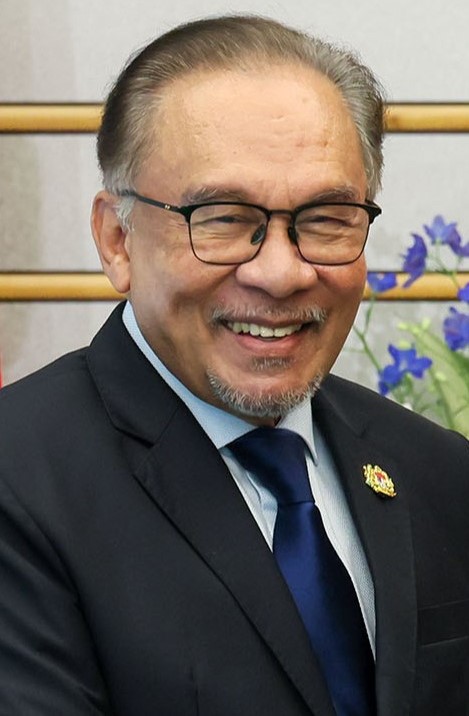
The two-day official visit, conducted at the invitation of Prime Minister Datuk Seri Anwar Ibrahim, provided an opportunity for both leaders to chart a course for expanded cooperation. During the visit, Tarique and Anwar witnessed the signing of three significant bilateral instruments, demonstrating the breadth of areas where the nations seek collaboration. These included a Memorandum of Understanding focused on cultural cooperation, alongside two Exchanges of Notes addressing counter-terrorism research and investment promotion and facilitation. The signing of these agreements underscores shared concerns about security challenges and mutual economic interests in the region.
Central to the discussions was a commitment to activate and optimise existing institutional channels through which both nations conduct their relationship. The joint commission mechanism and regular bilateral consultations between foreign ministers were identified as key platforms for advancing cooperation on matters of mutual concern. Such formal structures are particularly valuable in Southeast Asia, where diplomatic protocols and regular dialogue channels help maintain stability and prevent misunderstandings between neighbouring countries. By emphasising these mechanisms, both leaders signalled their intention to maintain consistent engagement rather than relying on ad-hoc interactions.
The bilateral relationship extends beyond economic and security matters into the realm of global governance. Tarique specifically highlighted Bangladesh's candidacy for the presidency of the 81st session of the United Nations General Assembly, expressing gratitude for Malaysia's support in this endeavour. This gesture reflects Malaysia's influence within the international community and its willingness to back Bangladesh's aspirations on the world stage. For Bangladesh, securing support from a respected regional power like Malaysia carries symbolic weight that can influence voting patterns among other nations, particularly those within ASEAN and the broader Non-Aligned Movement.
Beyond the formal agenda, both prime ministers engaged in substantive discussions on pressing global issues, particularly developments unfolding in West Asia. The Middle East remains a region of considerable concern for Southeast Asian nations, given the potential for regional conflicts to disrupt global trade, energy supplies, and broader geopolitical stability. By exchanging views on these developments, Tarique and Anwar demonstrated that even as nations pursue bilateral relationships, they maintain keen awareness of international affairs that could affect their respective populations and economies.
Economic ties between the two countries have grown substantially in recent years. During 2025, bilateral trade reached RM12.18 billion, reflecting the scale of commercial interaction between them. Malaysia's exports to Bangladesh totalled RM10.08 billion, with petroleum products forming the backbone of these shipments, underlining Bangladesh's dependence on energy imports to fuel its developing manufacturing sector. Conversely, Bangladesh exported RM2.10 billion worth of goods to Malaysia, with textiles, apparel and footwear comprising the primary components. This composition reveals complementary economic structures, with Malaysia serving as a source of raw materials and energy whilst Bangladesh leverages its manufacturing capabilities to produce finished goods.
The significance of Bangladesh in Malaysia's regional trade profile cannot be overstated. As Malaysia's 28th largest trading partner globally, Bangladesh ranks substantially higher when viewed through a South Asian lens, occupying the position of Malaysia's second most important trading partner in the region after India. This ranking reflects both the scale of Bangladesh's economy and the depth of established commercial relationships between Malaysian companies and their Bangladeshi counterparts. Moreover, Bangladesh functions as both a significant export destination and a source of imports for Malaysia, indicating a two-way flow of commerce rather than a one-directional relationship.
The timing of Tarique's inaugural official bilateral visit to Malaysia carries particular significance. Having assumed office in February 2026, the new Bangladeshi leader's choice to conduct his first formal overseas trip to Malaysia signals the priority his government places on South Asian regional relationships and ASEAN engagement. This decision reflects an understanding that Malaysia, as a major ASEAN economy and a bridge between Southeast Asia and South Asia, occupies a pivotal position in regional architecture. For Malaysia, receiving this visit underscores its standing in the eyes of neighbouring countries and its capacity to serve as a partner in addressing regional challenges.
The reaffirmation of commitment to United Nations cooperation and international organisations demonstrates that both nations recognise the value of multilateral platforms in advancing their respective interests. Whether through ASEAN, the United Nations, or other international bodies, Bangladesh and Malaysia appear intent on coordinating their positions and supporting each other's initiatives. This approach reflects a mature understanding that bilateral relationships gain additional leverage when supported by coordinated action within international forums where multiple stakeholders influence outcomes.
Looking forward, the agreements signed during this visit lay groundwork for expanded collaboration in areas ranging from cultural exchange to security cooperation. The emphasis on counter-terrorism research represents a particularly pressing concern for both nations, as regional stability and the ability to combat extremist networks remain central to development and prosperity. Cultural cooperation, meanwhile, facilitates people-to-people connections that provide a durable foundation for long-term bilateral relationships, extending ties beyond government circles into civil society, academia and business communities.
For Malaysian observers, this visit represents a continuation of the country's engagement with South Asian partners at a time when regional economic integration and geopolitical competition require nations to maintain diverse partnerships. Bangladesh, with its large population, growing manufacturing sector, and strategic location along major maritime trade routes, offers considerable potential for collaboration with Malaysia. As both nations navigate an increasingly complex global landscape marked by great power competition and regional uncertainties, the strengthening of bilateral ties serves mutual interests and contributes to broader regional stability.