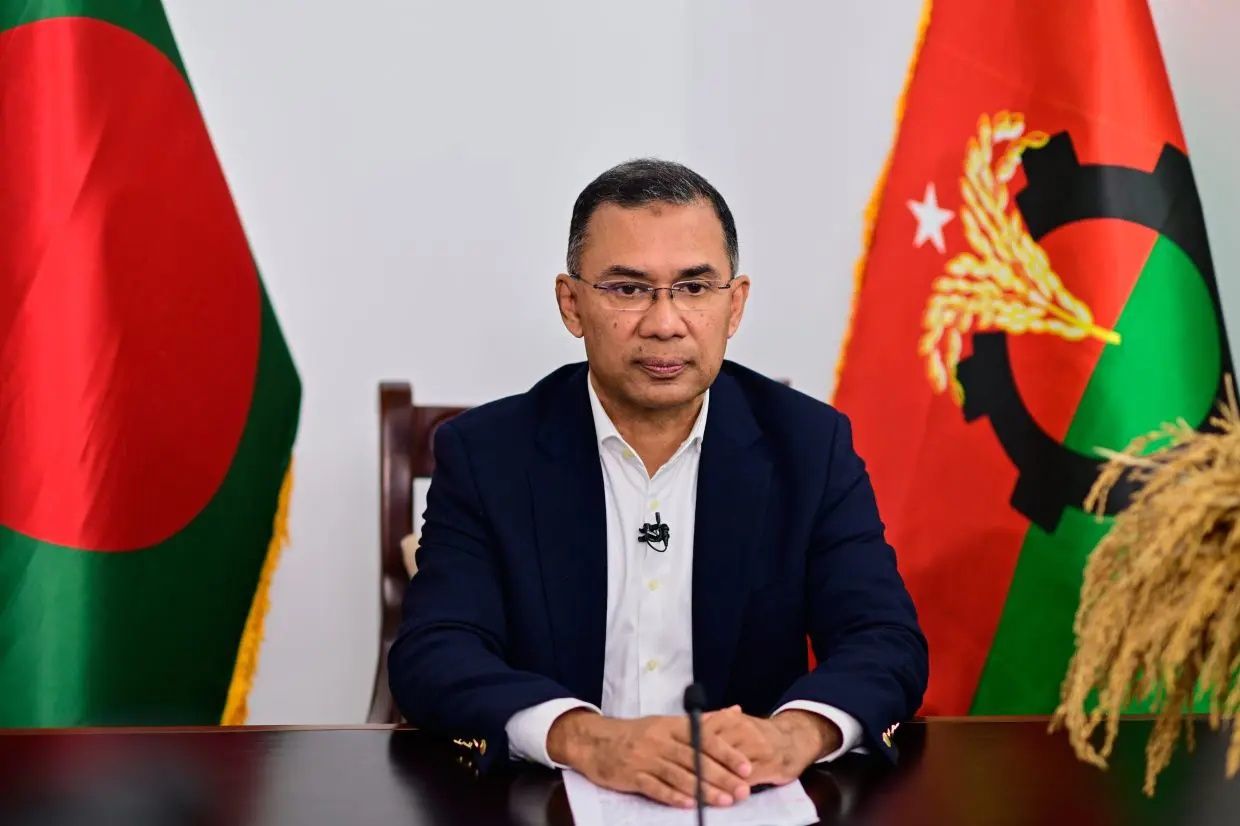
Bangladesh Prime Minister Tarique Rahman is preparing for his inaugural overseas mission as head of government, with visits to Malaysia beginning Sunday followed by China, according to an announcement from Dhaka's foreign ministry on Saturday. The itinerary carries considerable symbolic weight, as Rahman has chosen to prioritise partnerships with Southeast Asia and Beijing rather than India—a neighbour that would traditionally expect such courtesy when a new leader takes office. This diplomatic manoeuvre underscores the shifting geopolitical landscape confronting Bangladesh following the political upheaval that reshaped the nation's leadership just months ago.
Rahman assumed the premiership in February following elections held after an interim administration took control of the country of 170 million people. That transition followed a tumultuous uprising in 2024 that forced out the previous prime minister, Sheikh Hasina, whose government had maintained particularly close ties with New Delhi. The new leadership's decision to venture westward and eastward rather than south reflects the complex state of relations between Dhaka and its giant neighbour, relationships that have deteriorated markedly since the political transition. By choosing Malaysia and China as the destinations for his first international engagement as premier, Rahman signals his administration's intent to diversify Bangladesh's diplomatic partnerships and reduce dependency on any single power.
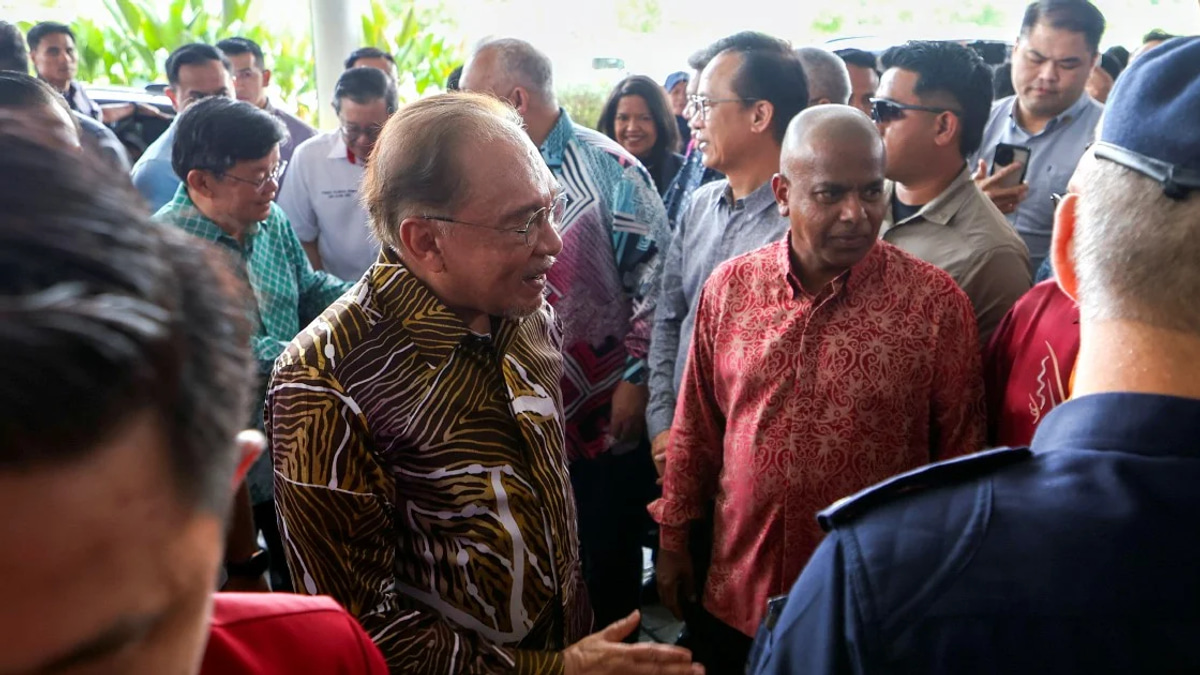
During his time in Malaysia, Rahman will encounter a significant Bangladeshi diaspora that forms a crucial component of the nation's economic fabric. An estimated 800,000 Bangladeshi workers are currently employed across Malaysia, constituting more than one-third of the country's entire foreign labour force. These numbers underline the depth of people-to-people connections and economic interdependence binding the two nations. For Rahman's administration, strengthening ties with Kuala Lumpur represents both a consolidation of existing bilateral relationships and an opportunity to address the welfare and concerns of this substantial expatriate community. The visit offers a chance to demonstrate that the new government prioritises the interests of Bangladeshi workers abroad and seeks to enhance cooperation on labour standards and economic opportunities.
China features prominently in the second phase of Rahman's journey, with Beijing poised to discuss trade expansion and major infrastructure initiatives that could substantially reshape Bangladesh's development landscape. Among the potential topics for discussion is Chinese involvement in the long-stalled Teesta project, an ambitious undertaking designed to rehabilitate and manage a strategically important river system that serves vast swathes of northern Bangladesh. Through dredging operations, embankment reinforcement, and irrigation infrastructure, the initiative aims to unlock agricultural potential and provide flood control benefits across a densely populated region. Chinese financing and technical expertise could prove instrumental in finally moving this project from the drawing board into active implementation, transforming the economic prospects of millions of rural Bangladeshis.
The strategic framing of these visits as major economic diplomacy reflects the Rahman administration's assessment of Bangladesh's development needs and international positioning. Foreign ministry officials have characterised the journey as central to strengthening economic partnerships that will propel the nation forward during a critical period of national rebuilding. Beyond the immediate commercial and infrastructural benefits, these engagements signal to the international community that Bangladesh intends to maintain a balanced foreign policy posture, engaging multiple powers rather than gravitating toward any single great power. This balancing act carries particular significance given the long-standing competition between India and China for regional influence across South Asia.
India's traditional expectations of being Bangladesh's first port of call for new leaders stem from geography, history, and economic ties. Yet the strained bilateral relationship following the 2024 uprising has created space for alternative partnerships to flourish. Former Prime Minister Hasina, who fled Bangladesh during the upheaval, has remained in India, creating an ongoing diplomatic irritant. Bangladesh has repeatedly pressed New Delhi for her extradition, a request that Indian authorities have not granted. This dispute, combined with other tensions, has created a complicated atmosphere that makes New Delhi a less natural choice for Rahman's maiden voyage as premier than it might otherwise have been.
Border frictions have compounded the strain on bilateral relations. India has been directing individuals it classifies as illegal migrants across the frontier into Bangladesh, a practice that has generated considerable resentment in Dhaka. The influx of undocumented persons strains Bangladesh's resources and creates social tensions in communities along the border. These tangible grievances, layered atop the political rupture caused by Hasina's ouster and India's perceived alignment with her government, have created a challenging environment for bilateral relations. Rahman's government faces domestic political pressure to assert Bangladesh's interests forcefully in dealings with New Delhi, making early visits to other partners a strategic choice that also manages internal expectations.
The geopolitical context shapes how other regional and global actors view these visits. India has historically worried about China's expanding influence throughout South Asia, recognising in Beijing a competitor for regional primacy and the allegiance of neighbouring states. By cultivating closer ties with China through this early visit, Rahman's Bangladesh signals a willingness to engage with multiple powers and potentially benefits from Beijing's willingness to deploy capital and technology for infrastructure development. This approach differs markedly from Hasina's era, when Bangladesh tended to align more closely with Indian preferences on matters of regional strategic importance.
The timing of Rahman's international debut also matters for domestic politics within Bangladesh. By demonstrating that his new administration can attract investment and launch ambitious projects with international partners, Rahman strengthens his political standing at home. Citizens tired from political turmoil and economic stagnation expect their leaders to deliver tangible improvements in living standards and employment opportunities. Successful visits that result in concrete commitments from Malaysia and China provide evidence that the new government possesses both the competence and international credibility to advance national interests. For a nation navigating post-upheaval reconstruction, such early diplomatic wins matter considerably for consolidating support and building confidence in the new administration's direction.
%22%2F%3E%3C%2Fpattern%3E%3C%2Fdefs%3E%3Crect%20width%3D%22100%25%22%20height%3D%22100%25%22%20fill%3D%22url(%23ph33f18g)%22%2F%3E%3Crect%20width%3D%22100%25%22%20height%3D%22100%25%22%20fill%3D%22url(%23ph33f18p)%22%2F%3E%3Ctext%20x%3D%2250%25%22%20y%3D%2250%25%22%20text-anchor%3D%22middle%22%20dominant-baseline%3D%22central%22%20fill%3D%22rgba(255%2C255%2C255%2C0.95)%22%20font-family%3D%22Georgia%2C%20'Times%20New%20Roman'%2C%20serif%22%20font-weight%3D%22700%22%20font-size%3D%22272%22%20letter-spacing%3D%22-0.02em%22%3EISTAF%3C%2Ftext%3E%3C%2Fsvg%3E)