Bangladesh is making a determined push to cement its relationship with ASEAN through formal institutional channels, with the government now actively seeking Sectoral Dialogue Partner status as part of a broader strategy to deepen engagement across the region. This move represents a calculated effort to transform Bangladesh's long-standing but informal ties with the 11-member bloc into a more structured partnership framework that could unlock opportunities for sustained cooperation on multiple fronts.
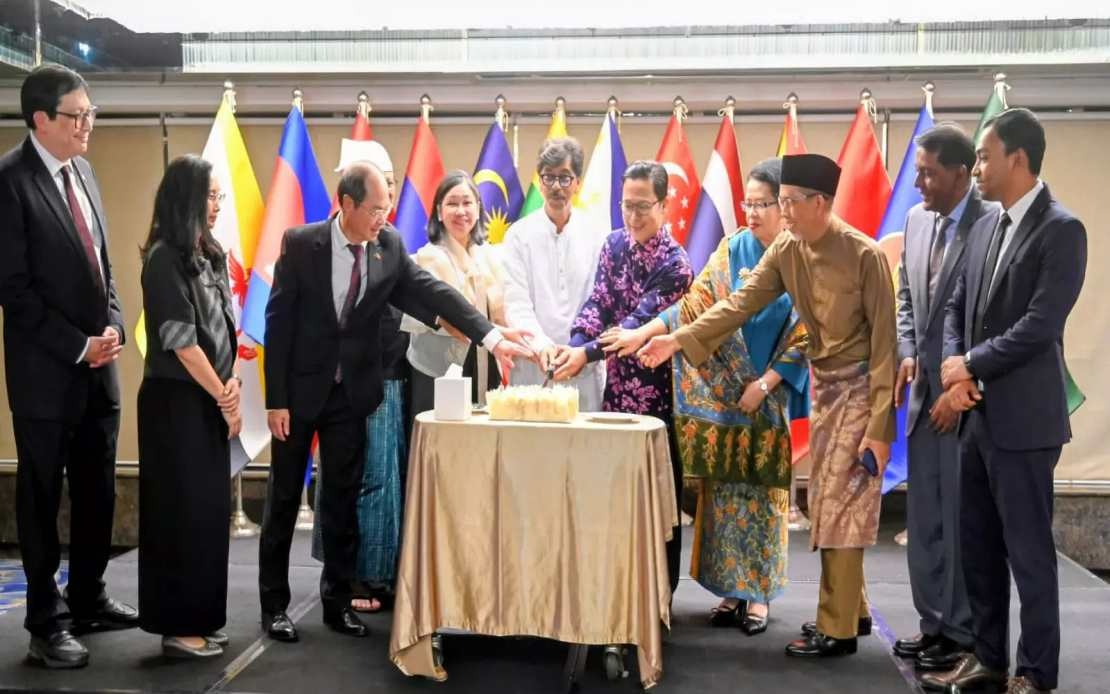
Fisheries, Livestock and Agriculture Minister Mohammed Aminur Rashid underscored the government's commitment to elevating ties with ASEAN member states, emphasising that Bangladesh shares deep historical, cultural and economic bonds that provide a solid foundation for future collaboration. Speaking at a reception hosted by the ASEAN Dhaka Committee at Renaissance Dhaka Gulshan Hotel to commemorate the 59th ASEAN Day, Rashid articulated a vision of partnership that extends beyond traditional diplomatic courtesies into concrete sectors where mutual gains are achievable.
The timing of Bangladesh's SDP application reflects strategic thinking by the administration of Prime Minister Tarique Rahman, which has signalled that ASEAN partnership ranks among its highest foreign policy priorities. This positioning was symbolically reinforced when Malaysia—a key ASEAN player—was selected as the destination for Rahman's inaugural official foreign visit, a choice that carries particular weight given Malaysia's significant economic clout and regional influence within the bloc.
For Malaysian and regional observers, Bangladesh's approach holds particular relevance. As an immediate neighbour and fellow Muslim-majority nation, Bangladesh's integration into ASEAN's institutional framework could reshape the geopolitics of South Asia and the Indo-Pacific. A stronger Bangladesh-ASEAN nexus might encourage deeper cross-regional dialogue on issues ranging from maritime security to trade facilitation, areas where Malaysia has vested interests.
The fisheries sector represents the most concrete manifestation of this ambition currently. Bangladesh is already implementing a US$1 million cooperation project on fisheries and aquaculture with ASEAN under Rashid's ministry, a pilot programme that demonstrates how sectoral partnerships can translate abstract political commitments into tangible benefits. This initiative capitalises on Bangladesh's extensive aquaculture expertise and fishing heritage—sectors critical to food security across Southeast Asia.
Beyond fisheries, Bangladesh has signalled its intention to launch joint initiatives spanning tourism, information and communications technology, and cultural exchange. For Southeast Asian nations, particularly smaller economies seeking to diversify their external partnerships, Bangladesh's interest in these sectors opens doors for regional collaboration that might otherwise remain unexplored. Tourism cooperation, for instance, could unlock new travel routes and cross-regional tourism packages that benefit both Bangladesh's nascent tourism industry and ASEAN nations seeking diverse source markets.
The ICT dimension deserves particular attention for Malaysian stakeholders. Bangladesh possesses a burgeoning technology sector with significant human capital, and deeper ASEAN integration in this field could create opportunities for tech transfer, startup collaboration and joint innovation initiatives that strengthen the region's digital economy.
Rashid's appeal to ASEAN envoys for active support in Bangladesh's SDP bid reflects awareness that such institutional upgrades require political backing from member states. The presence of Malaysian High Commissioner Mohammad Shuhada Othman, Philippine Ambassador Neena Padilla Cinglet and other diplomatic heads at the reception underscores the multilateral interest in Bangladesh's proposal, though it remains uncertain which countries will actively champion the application within ASEAN's consensus-driven decision-making process.
The symbolic deployment of Bangladesh's agricultural heritage—through the serving of biryani made with Kalijira rice and Black Bengal Goat dishes, both internationally recognised geographical indication products—sent an implicit message about Bangladesh's capacity to contribute meaningfully to regional cooperation. For ASEAN members, these products represent examples of how Bangladesh could participate in premium agricultural trade networks and food security frameworks within the bloc.
Institutionalising the Bangladesh-ASEAN relationship through SDP status would grant Bangladesh participatory rights in certain ASEAN sectoral working groups, though without full membership privileges. This intermediate status suits Bangladesh's current capacities and interests, allowing deeper engagement without the comprehensive obligations that full membership would entail. For existing ASEAN members, particularly those concerned about expansion diluting the bloc's decision-making efficiency, the SDP pathway offers a measured approach to broadening partnerships.
The broader context reveals Bangladesh's strategic ambition to position itself as a bridge between South Asia and Southeast Asia, leveraging geography and growing economic dynamism to expand its regional footprint. This is not merely about bilateral relationships but about claiming a seat at regional institutional tables where decisions affecting maritime commerce, disaster response, and transnational challenges are deliberated.
For Malaysian policymakers and business communities, Bangladesh's upgraded ASEAN engagement has practical implications. Enhanced trade facilitation under any new partnership framework could improve access to Bangladesh's 170 million-person market, while joint initiatives in fisheries and agriculture create opportunities for technology partnerships and investment flows. The geographic proximity and overlapping maritime interests also suggest that deeper ASEAN-Bangladesh cooperation could strengthen regional approaches to maritime security and resource management.
As Bangladesh pursues this institutional pathway, success will ultimately depend on ASEAN member consensus and the substance Bangladesh brings to proposed initiatives. Initial signals from the diplomatic reception suggest receptiveness to deepening ties, though the formal decision-making process within ASEAN's complex architecture remains unpredictable. What is clear is that Bangladesh is no longer content with peripheral engagement and is actively reshaping its regional positioning through deliberate institutional strategies.

