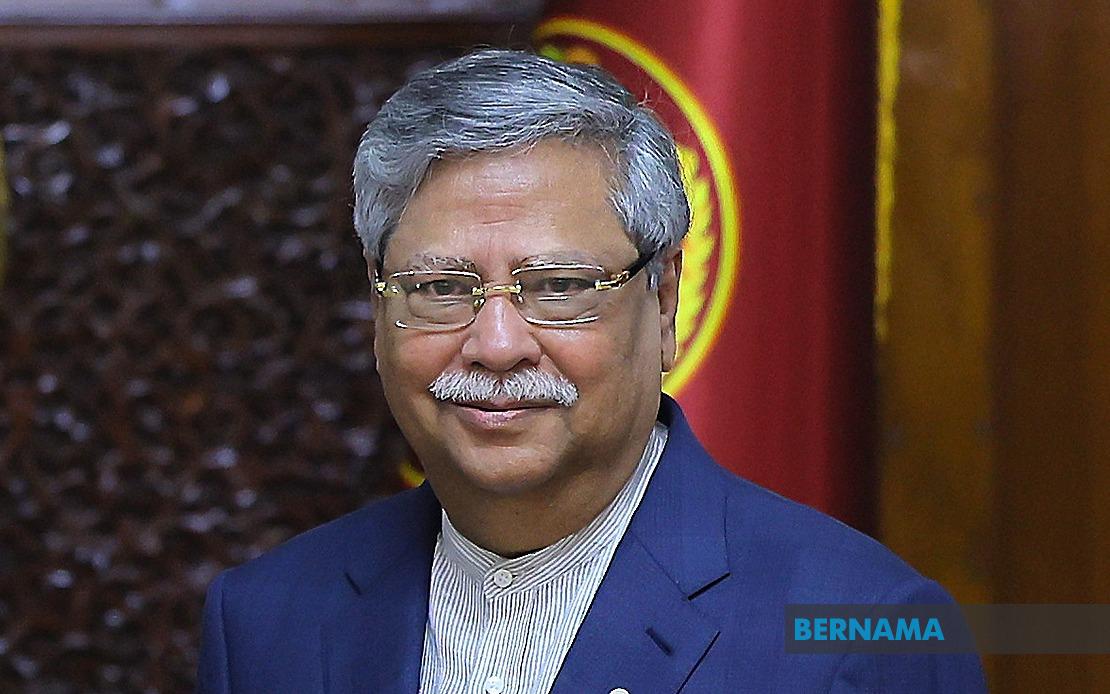
Bangladesh will hold a presidential election when parliament reconvenes for its third session in September, according to an announcement by the country's Law Minister Md Asaduzzaman. The constitutional timeline for electing a successor has been triggered following the resignation of President Mohammed Shahabuddin Chuppu, who stepped down citing health concerns. The development sets the stage for a significant political transition in the South Asian nation, though the outcome appears largely predetermined given the ruling coalition's parliamentary dominance.
The constitutional framework governing presidential succession in Bangladesh mandates that an election must take place within 90 days of the incumbent's departure from office. Md Asaduzzaman clarified this timeline to journalists in Dhaka on Saturday, emphasizing the legal requirement that shapes the current political schedule. Parliament's second session concluded on July 15, establishing the deadline for convening the third session by September 14. This window provides sufficient time for the parliament to assemble and conduct the electoral process for selecting the nation's next head of state, though the precise timing within that period remains to be finalized.
Speaker Hafiz Uddin Ahmad has assumed the presidential functions in accordance with Bangladesh's Constitution following Shahabuddin's departure. The Parliament Secretariat formally confirmed this institutional arrangement on Friday, ensuring continuity in executive authority during the interregnum period. This transitional mechanism reflects constitutional provisions designed to maintain governmental stability when the presidency becomes vacant. Md Sarwar Alam, serving as press secretary to the president, confirmed to international media that Shahabuddin had formally submitted his resignation letter to the speaker, with serious illness cited as the reason for stepping down from the largely ceremonial but symbolically important position.
Under Bangladesh's constitutional design, the presidential election involves a unique electoral college consisting exclusively of members of parliament rather than a general popular vote. This arrangement concentrates the selection process within the legislative chamber, where political party strength directly determines electoral outcomes. The voting mechanism means that any party or coalition commanding a parliamentary majority can effectively determine who occupies the presidency, transforming what might otherwise be a competitive national election into an internal party or coalition matter.
Prime Minister Tarique Rahman's Bangladesh Nationalist Party (BNP) currently holds a commanding majority in parliament, positioning it to virtually guarantee the selection of its preferred candidate for the presidency. Political observers and analysts widely expect that the BNP's nominee will prevail in the September election, given the party's substantial numerical advantage in the legislature. This anticipated outcome reflects the practical realities of parliamentary politics in Bangladesh, where executive authority traditionally translates into the capacity to determine high offices through legislative voting. The BNP's dominance in parliament suggests that the election process, while formally competitive, will likely result in a predetermined conclusion aligned with the ruling party's interests.
The presidential election assumes particular importance in regional politics, as it reflects the broader power consolidation occurring within Bangladesh's political system. The transition to a new president under BNP stewardship continues a pattern of institutional leadership aligned with the current governing coalition. For observers of South Asian politics and governance, the process demonstrates how parliamentary systems concentrate power within ruling parties, particularly when those parties enjoy supermajorities in legislative bodies. The September election will provide insight into the BNP's internal decision-making regarding which figure it selects to represent the party and government in the ceremonial and symbolic dimensions of the presidency.
From a Malaysian and Southeast Asian perspective, Bangladesh's presidential election carries implications for regional political dynamics and inter-governmental relationships. The continuity of BNP-aligned leadership in senior state positions may influence bilateral relations and regional cooperation frameworks. Understanding the composition of Bangladesh's political leadership across various institutional positions remains relevant for Malaysian policymakers and regional observers tracking South Asian developments. The election outcome will solidify the current configuration of power in Dhaka and signal the BNP's strategic priorities regarding state representation and institutional governance.
The constitutional requirement for electing a new president within 90 days demonstrates Bangladesh's commitment to maintaining legal formality in succession processes, even when political outcomes appear largely predetermined. This adherence to constitutional timelines, despite the likely predetermined nature of the election result, reflects institutional practices that preserve democratic procedures and legal frameworks. The September timeline provides parliament with adequate opportunity to conduct the election while maintaining the continuity of state functions through the speaker's assumption of presidential powers during the interim period.
Looking forward, the September presidential election will conclude an important chapter in Bangladesh's recent political history while inaugurating another period of institutional stability under continued BNP leadership. The process exemplifies how parliamentary majorities exercise influence over head-of-state selection in systems where legislatures determine such appointments. For regional observers monitoring Bangladesh's political development and governance structures, the election represents a routine but significant institutional transition that reflects the current balance of political forces within the nation. The election outcome will be known once parliament convenes in September, though the eventual result appears largely certain given the composition of the legislative chamber.

