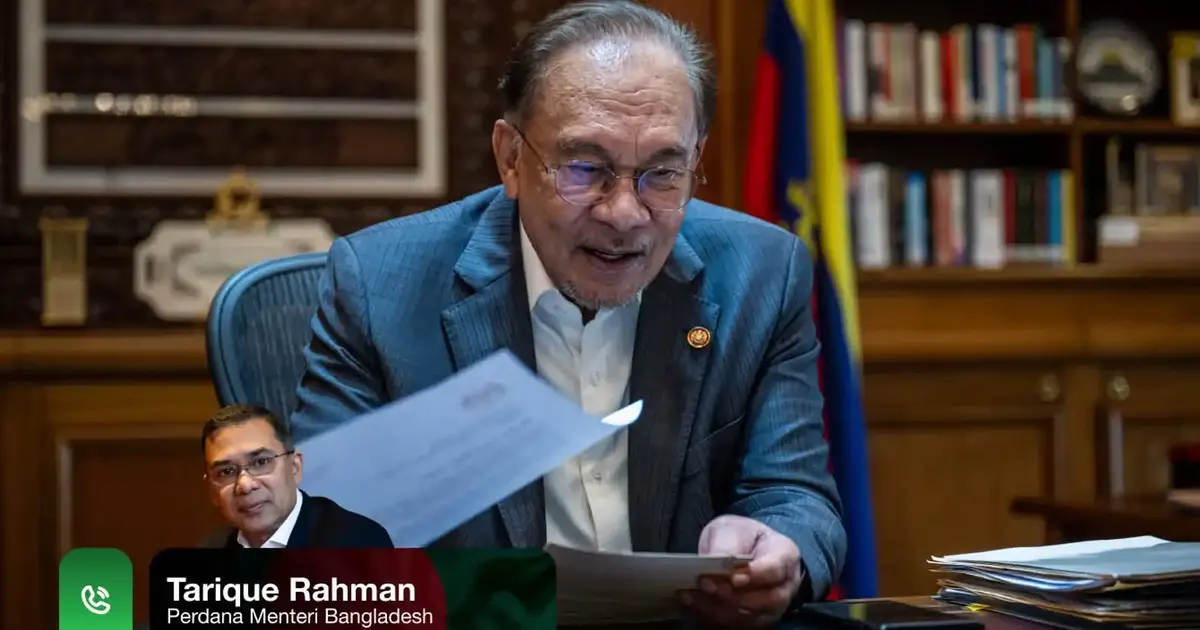
Bangladesh is reaching out to Malaysia for support in addressing a critical energy shortage, signalling deepening concerns about the country's liquefied natural gas supply situation. Prime Minister Anwar Ibrahim confirmed that Bangladesh's Prime Minister Tarique Rahman raised the matter during a telephone conversation, underscoring the urgency of the request and the diplomatic channels being activated to resolve the issue.
The appeal reflects Bangladesh's vulnerability to energy supply disruptions and its growing reliance on international partners to meet domestic demand. As a nation with significant industrial and agricultural sectors dependent on reliable power, any shortage threatens economic stability and public welfare. The fact that Bangladesh chose to engage Malaysia directly suggests confidence in bilateral cooperation and recognition of Malaysia's energy resources and experience in the LNG market.
Malaysia's position as a regional energy player makes it a natural ally for Bangladesh in this situation. With substantial natural gas reserves and established LNG export infrastructure, Malaysia has expertise in managing energy supply chains and international arrangements. The country has longstanding experience exporting liquefied natural gas through established partnerships and supply agreements, giving it credibility in discussions about meeting energy needs.
The timing of this request reflects broader energy challenges affecting several Southeast Asian nations. Bangladesh faces mounting pressure to secure reliable fuel supplies for its power generation sector, which has struggled to keep pace with rapid industrialisation and population growth. Power shortages disrupt manufacturing, harm tourism, and constrain the operations of critical services, making energy security a paramount national concern.
For Malaysia, such requests present both opportunity and complexity. While assisting a neighbouring nation strengthens regional ties and demonstrates leadership capacity, it also requires careful consideration of domestic supply requirements and existing contractual obligations. Malaysia must balance humanitarian and diplomatic interests with obligations to its own industries and households that depend on natural gas for electricity generation and other essential uses.
The bilateral relationship between Malaysia and Bangladesh has historically been characterised by cooperation on trade, investment, and cultural exchanges. This latest development in energy diplomacy adds another dimension to their partnership, potentially opening new avenues for sustained economic engagement. A positive response from Malaysia could establish a framework for future cooperation on energy matters, benefiting both nations over the medium to long term.
The energy crisis gripping Bangladesh reflects systemic challenges that many developing economies face as they industrialise rapidly. Infrastructure expansion has not kept pace with demand growth, and geopolitical factors affecting global energy markets have compounded domestic constraints. Bangladesh's situation underscores the vulnerability of emerging economies to external supply shocks and the necessity of building diverse, resilient energy portfolios that reduce dependence on any single source or supplier.
Regional energy cooperation through mechanisms like the Southeast Asian energy market integration has gained traction in recent years, with countries increasingly recognising mutual benefits from shared resources and coordinated planning. Bangladesh's appeal to Malaysia fits within this broader trend toward deepening energy interdependence and cooperation among neighbouring states. Such arrangements can stabilise regional markets, reduce costs through economies of scale, and enhance the collective bargaining power of developing nations in global energy negotiations.
The diplomatic channel used to convey this request—a direct telephone conversation between prime ministers—indicates the seriousness with which both governments view the matter. This high-level engagement suggests that substantive discussions may follow, with technical teams and energy experts likely to conduct detailed assessments of feasibility, volume requirements, pricing, and logistics. Malaysia's response, whether affirmative or conditional, will signal its commitment to regional stability and South Asian partnership.
From a broader Southeast Asian perspective, how Malaysia handles this request may set precedents for future energy cooperation among member states of regional organisations. A constructive response demonstrates that developed economies within the region can support neighbours facing temporary crises without undermining their own interests. Conversely, a negative response might push Bangladesh toward alternative sources, potentially fragmenting regional energy ties and pushing demand toward non-regional suppliers.
The LNG market remains volatile, with prices and availability fluctuating based on global demand, production capacity, and geopolitical developments. Bangladesh's proactive approach in seeking partnerships with immediate neighbours rather than relying solely on international spot markets reflects pragmatic energy diplomacy. By cultivating relationships with established suppliers like Malaysia, Bangladesh reduces exposure to sudden market shocks and creates opportunities for long-term supply agreements that provide price stability.
Moving forward, this exchange may catalyse deeper discussions about energy security frameworks across South Asia and Southeast Asia. As climate change, geopolitical tensions, and economic transitions reshape global energy landscapes, regional cooperation becomes increasingly valuable. Malaysia's engagement with Bangladesh on energy matters could serve as a foundation for broader multilateral initiatives addressing shared challenges in power generation, renewable energy development, and grid interconnection.
The outcome of these discussions will likely reverberate beyond bilateral relations, influencing how other regional states approach energy cooperation and mutual assistance. Malaysia's decision to engage seriously with Bangladesh's request demonstrates the practical importance of diplomatic relationships in addressing tangible economic challenges. For Bangladesh, securing additional LNG supply sources represents a critical step toward stabilising its energy sector and maintaining momentum in its development agenda.

