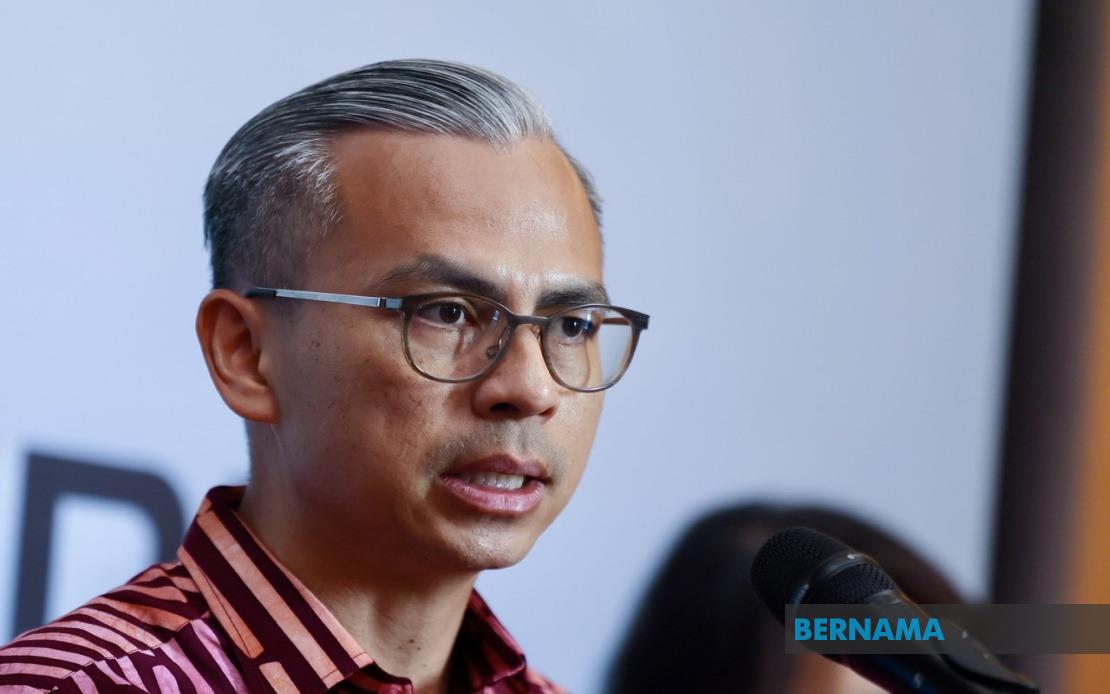
Bank customers who continue to encounter RM1 charges when withdrawing cash from automated teller machines should immediately escalate their complaints to Bank Negara Malaysia, Communications Minister Datuk Fahmi Fadzil has urged, signalling the regulator's readiness to take enforcement measures against any banking institution that fails to honour the recently implemented fee waiver.
During his weekly address at the Communications Ministry's press briefing in Kuala Lumpur on July 2, Fahmi emphasised that the abolition of the RM1 interbank ATM withdrawal fee, which took effect the preceding day, represents a tangible measure to ease the financial burden on Malaysian consumers in an increasingly expensive economic environment. The minister stressed that Bank Negara Malaysia possesses the authority and mechanisms to investigate complaints and initiate corrective action against non-compliant banks, thereby ensuring uniform implementation of the policy across the sector.
A critical distinction underpins the policy rollout: the fee waiver applies exclusively to ATMs owned and operated by banks that participate in Malaysia's shared ATM network infrastructure. This arrangement permits account holders to access cash from any participating bank's machine without incurring the RM1 charge that previously applied to out-of-network transactions. The waiver encompasses approximately 84 per cent of all bank-owned ATMs throughout the country, translating to nearly 16,000 machines, according to Fahmi's disclosure.
The remaining 16 per cent of ATMs in operation are managed by private non-banking entities operating under independent commercial agreements, meaning these operators retain the authority to impose withdrawal fees independently. This segmentation has emerged as a source of consumer confusion, with social media users seeking clarification on which machines fall under the fee waiver. To mitigate misunderstandings, Fahmi advised customers to rely on the bank logos displayed prominently on ATM facades to identify which machines participate in the shared network and therefore offer fee-free withdrawals.
The MADANI Government spokesman further noted that two major banking associations—the Association of Banks in Malaysia and the Malaysian Islamic Banking and Financial Institutions Association—are preparing a comprehensive joint statement to address implementation specifics and provide additional guidance to the public. This coordinated communication effort reflects recognition among industry bodies that clear, consistent messaging remains essential to ensuring smooth adoption of the policy across Malaysia's diverse banking landscape.
For Malaysian consumers and businesses alike, the elimination of interbank ATM fees represents a modest but meaningful reduction in banking transaction costs. Many citizens regularly withdraw cash across multiple banks' networks for convenience, and the accumulated charges historically represented an invisible tax on financial accessibility. The policy change aligns with broader governmental efforts to reduce cost-of-living pressures affecting households and small enterprises, particularly given persistent inflation in essential services and goods.
The practical implications extend beyond individual transactions. By removing friction in cash withdrawal processes, the initiative encourages continued use of formal banking channels rather than alternative informal financial arrangements, thereby supporting Bank Negara Malaysia's financial inclusion objectives. For merchants, hawkers, and service providers who depend on cash-based transactions—a defining characteristic of Malaysia's diverse retail economy—smoother ATM access translates into reduced operational inefficiencies and lower supplementary expenses.
From a regulatory perspective, the fee waiver demonstrates Bank Negara Malaysia's proactive consumer protection stance under the current administration's economic framework. The regulator's willingness to enforce compliance and investigate complaints signals that this policy represents a binding commitment rather than a voluntary industry guideline. Banks and operators ignoring the directive face potential regulatory scrutiny, fines, or reputational damage, creating credible incentives for adherence.
In parallel remarks, Fahmi highlighted a separate development underscoring Malaysia's competitive positioning in global financial technology sectors: an international fintech company's decision to establish its inaugural global development centre at Tun Razak Exchange in Kuala Lumpur. According to the minister, this investment particularly targets Agentic AI development and reflects robust foreign investor confidence in Malaysia's political stability and the economic policies implemented under the MADANI Government framework. The establishment of such a centre carries significant implications for Malaysia's aspirations to position itself as a regional and global innovation destination, potentially attracting specialised talent and generating high-value employment opportunities in cutting-edge digital finance sectors.
Fahmi's characterisation of the fintech investment as validation of the government's policy consistency and political environment reflects broader competition among Southeast Asian economies to attract technology-driven foreign direct investment. Malaysia's efforts to brand itself as a preferred destination for digital innovation must be sustained through continued investment in digital infrastructure, regulatory clarity, and skilled workforce development, particularly as neighbouring countries intensify their own fintech and innovation initiatives.
The convergence of these two announcements—consumer-focused ATM policy reform and investor-attracting fintech infrastructure development—illustrates the government's dual approach to economic governance: reducing friction in retail financial services while simultaneously cultivating higher-value innovation ecosystems. Both initiatives, if executed effectively, contribute to Malaysia's longer-term economic diversification and digital transformation objectives in an increasingly technology-driven global marketplace.

