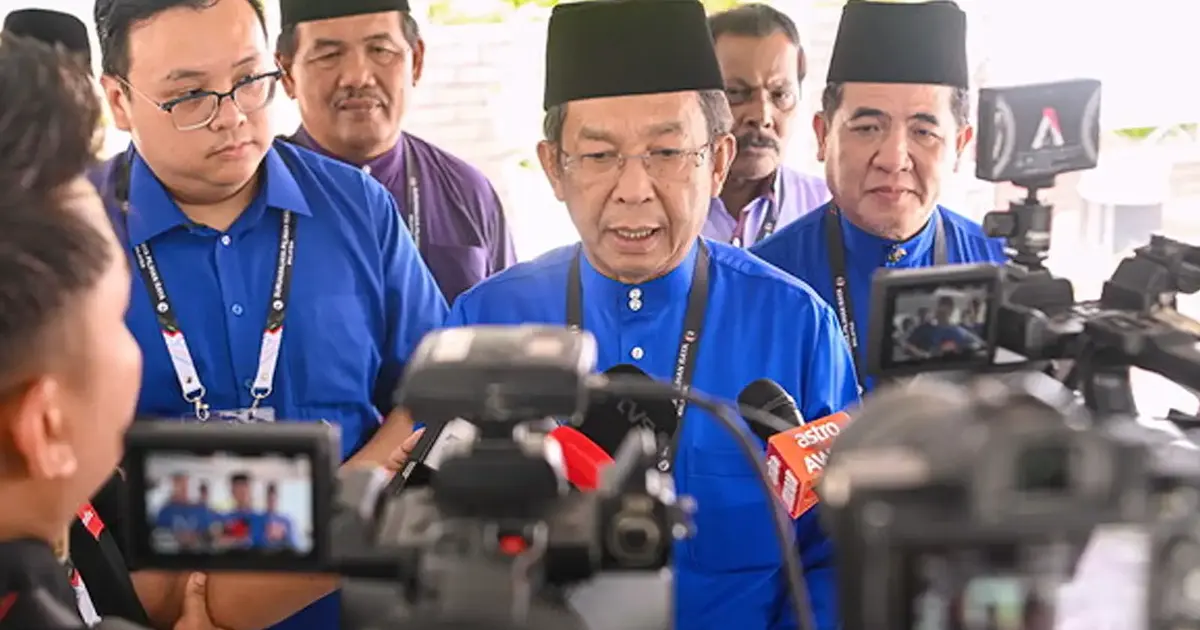
Barisan Nasional will not name its menteri besar candidate for Negeri Sembilan until the opposition is defeated at the ballot box, according to the coalition's state leadership. State Umno chief Jalaluddin Alias indicated the timing reflects the coalition's confidence in securing electoral victory, with the selection process deferred as a precautionary measure to avoid unnecessary speculation ahead of polling day.
The decision to delay the announcement underscores a strategic approach adopted by several BN-led states in Malaysia, where naming a chief ministerial candidate before an election can create vulnerabilities for the coalition. Rather than risk internal dissent or become a focal point for opposition attacks, the bloc prefers to present voters with a unified front centred on broader policy platforms and party messaging. This tactic has been employed across different state contests with varying degrees of success.
Jalaluddin's public statement that multiple leaders within the coalition possess the credentials and experience necessary to govern Negeri Sembilan serves dual purposes. First, it projects an image of depth and capability within Umno's Negeri Sembilan leadership structure, suggesting the party is not dependent on any single personality. Second, it signals to potential coalition partners and party members that options remain open, preserving internal party flexibility during negotiations that typically occur after election results are declared.
The Negeri Sembilan state assembly consists of 36 seats, and BN's performance in the most recent election will influence the coalition's calculations about its prospects. Current political dynamics in the state reflect broader tensions affecting BN nationally, particularly the competition between Umno and PAS over Malay-Muslim voter support, as well as the coalition's efforts to maintain support among non-Malay constituencies through its component parties.
Historically, the menteri besar position in Negeri Sembilan has rotated among representatives from different districts due to the state's unique constitutional arrangements. This decentralised structure means potential candidates typically come from various parts of the state, and the final choice often reflects negotiations among different party factions and district associations rather than a predetermined decision made during the campaign period.
The timing of candidate announcements can significantly influence voter behaviour and coalition momentum. By deferring the selection, BN aims to maintain voter focus on perceived governance failures by the incumbent administration rather than allowing the narrative to shift toward internal party politics or leadership contests. This approach contrasts with opposition strategy, where naming candidates early is typically viewed as demonstrating preparedness and commitment to voters.
Within Umno circles in Negeri Sembilan, discussions about potential menteri besar candidates are undoubtedly ongoing, even if public announcements remain forthcoming. Senior party members, district chiefs, and those with legislative experience are likely being quietly vetted according to criteria including administrative capability, electoral performance, and factional considerations within the state party apparatus.
The coalition's confidence in delaying this announcement suggests internal polling or party assessments indicate competitive or favourable conditions heading into the contest. If BN leadership believed electoral victory was in doubt, the political logic of naming a candidate early would be stronger, as a popular or well-regarded figure might help mobilise voter support.
For Malaysian voters in Negeri Sembilan, this strategy means the menteri besar question will likely dominate political discourse in the immediate post-election period, particularly if BN secures the majority needed to form government. Opposition parties will use the selection process as a platform to continue criticising the coalition, while BN will frame its choice as representing the best qualified leader for the state's development agenda.
The approach also provides flexibility should any potential candidates face unforeseen circumstances or prove electorally damaging during the campaign. Leadership changes or scandals affecting particular individuals need not directly impact the coalition's election prospects if they were never formally nominated as the designated chief ministerial choice.
Statewide, this deferral strategy will likely generate speculation among political analysts, media commentators, and ordinary voters about which leader might eventually be selected. Such discussion maintains interest in the electoral contest while allowing BN to control the narrative around its internal decision-making processes after votes have been cast.
For the broader Malaysian political landscape, the Negeri Sembilan election outcome will carry significance beyond the state itself, serving as an indicator of BN's resilience in traditional strongholds and its ability to compete effectively against a fragmented opposition. The menteri besar appointment will therefore become part of a wider narrative about the coalition's return to electoral competitiveness across different regions.

