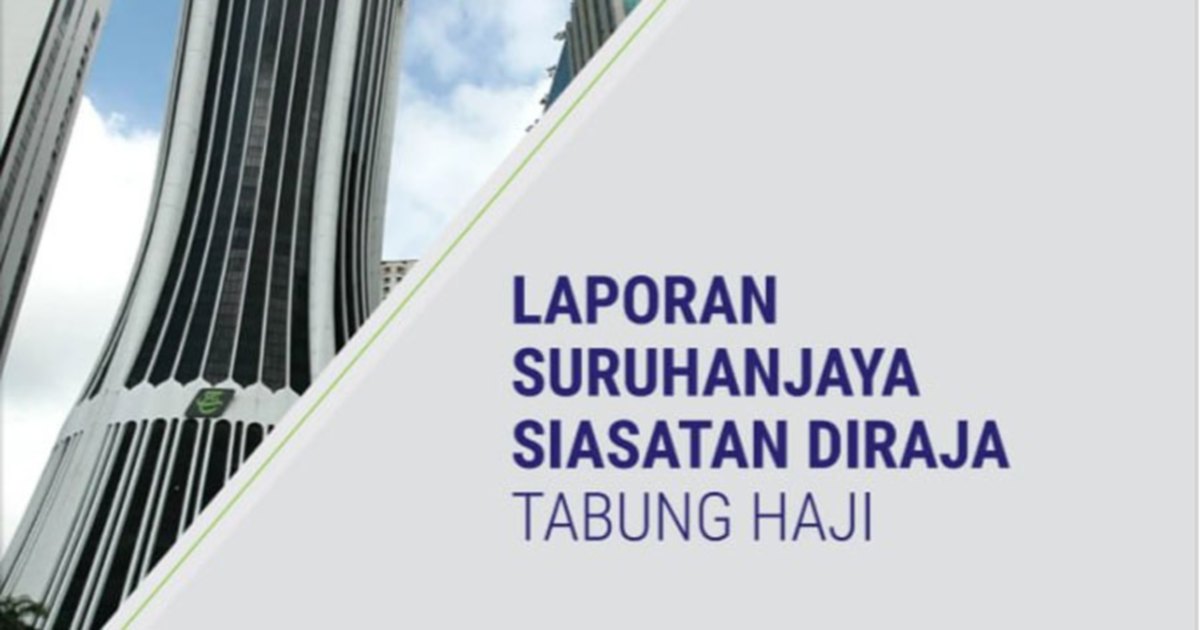
Barisan Nasional's presentation of findings from the Royal Commission of Inquiry into Tabung Haji is expected to reinforce the coalition's political standing, particularly as campaigning intensifies for the Melaka state election. Senior figures within the ruling alliance have signalled that the briefing will serve as a key strategic tool, allowing them to demonstrate governmental accountability and transparency during a critical electoral period.
The timing of the RCI briefing carries considerable political weight in Malaysian politics. Election cycles in individual states provide opportunities for national coalitions to reset their narrative and reconnect with voters on substantive policy matters. For Barisan Nasional, which has faced sustained challenges to its dominance in recent years, presenting detailed findings from an independent inquiry offers a chance to demonstrate that the government takes institutional scrutiny seriously and acts on recommendations.
Tabung Haji, the pilgrimage fund formally known as the Lembaga Tabung Haji, manages one of the world's largest pools of pilgrim savings and holds significant cultural importance in Malaysia. Any governance lapses within the institution resonate deeply with the Muslim majority population and attract widespread public attention. The establishment of the RCI itself reflected public concern about management practices and financial stewardship, making the subsequent findings politically salient.
Melaka, as a compact state with diverse voting demographics and a strategic position within the Malay Peninsula, has historically been a bellwether for national political trends. Recent state elections there have shown shifts in voter sentiment, making it a crucial testing ground for coalition messaging. By positioning the Tabung Haji RCI briefing ahead of polls, Barisan Nasional seeks to communicate that its government actively investigates institutional concerns and remains responsive to public interests.
For the coalition's component parties, the briefing provides material for grassroots campaigning and media engagement. Local elected representatives can reference specific RCI recommendations and government responses when engaging voters on governance issues. This translates abstract notions of accountability into concrete evidence of action, which voters often find persuasive during election seasons.
The strategy also reflects broader coalition concerns about public confidence in major government institutions. Trust in state-linked entities has become increasingly important in electoral calculations, particularly among younger voters and urban constituencies where institutional governance features more prominently in voting decisions. By proactively addressing Tabung Haji issues through structured briefings, Barisan Nasional attempts to preempt opposition narratives that might emphasise governance failures.
In the Malaysian electoral context, Melaka holds particular importance as one of several states where coalitions regularly contest for control. The state government's composition influences broader calculations about national government stability and coalition cohesion. Opposition parties have similarly invested resources in Melaka, viewing it as an opportunity to demonstrate their capacity for local governance and to erode Barisan Nasional's traditional support base.
The RCI process itself, established to investigate specific concerns about Tabung Haji management, represents a form of institutional self-examination that governments in Malaysia can leverage during campaigns. By presenting such inquiries transparently and acting on findings, coalitions can differentiate themselves from competitors on governance credentials. This becomes particularly valuable when opposition parties question the ruling government's commitment to institutional transparency.
Componente party leaders' enthusiasm for the Tabung Haji briefing indicates broader coalition unity around electoral strategy in Melaka. In multiethnic Malaysia, where political coalitions often comprise parties representing different communities, achieving consensus on campaign messaging requires careful coordination. The fact that component party figures are publicly endorsing the briefing's electoral value suggests effective internal coalition communication and strategic alignment.
The Melaka state election itself will determine the composition of the state assembly and allocation of state-level cabinet positions. For Barisan Nasional, maintaining state control serves multiple purposes: it preserves patronage networks, demonstrates continued electoral viability, and contributes to the coalition's national legitimacy. Opposition gains in Melaka would signal potential vulnerability elsewhere, which is why the coalition has positioned the RCI briefing as an electoral asset.
Beyond immediate electoral considerations, the government's handling of the Tabung Haji RCI findings also carries longer-term institutional implications. How effectively the government implements recommendations and communicates results to the public will influence future perceptions of governmental responsiveness. This dual dynamic—where institutional governance and electoral strategy intersect—is characteristic of contemporary Malaysian politics, where public matters increasingly reflect political calculations.
The briefing timing suggests Barisan Nasional views the RCI findings as politically favourable, or at least as sufficiently managed to present to voters without significant reputational risk. Opposition parties will scrutinise the presentation for evidence that findings have been downplayed or recommendations inadequately addressed. How competing coalitions frame the same RCI findings will substantially influence how voters assess the government's institutional stewardship and electoral fitness.

