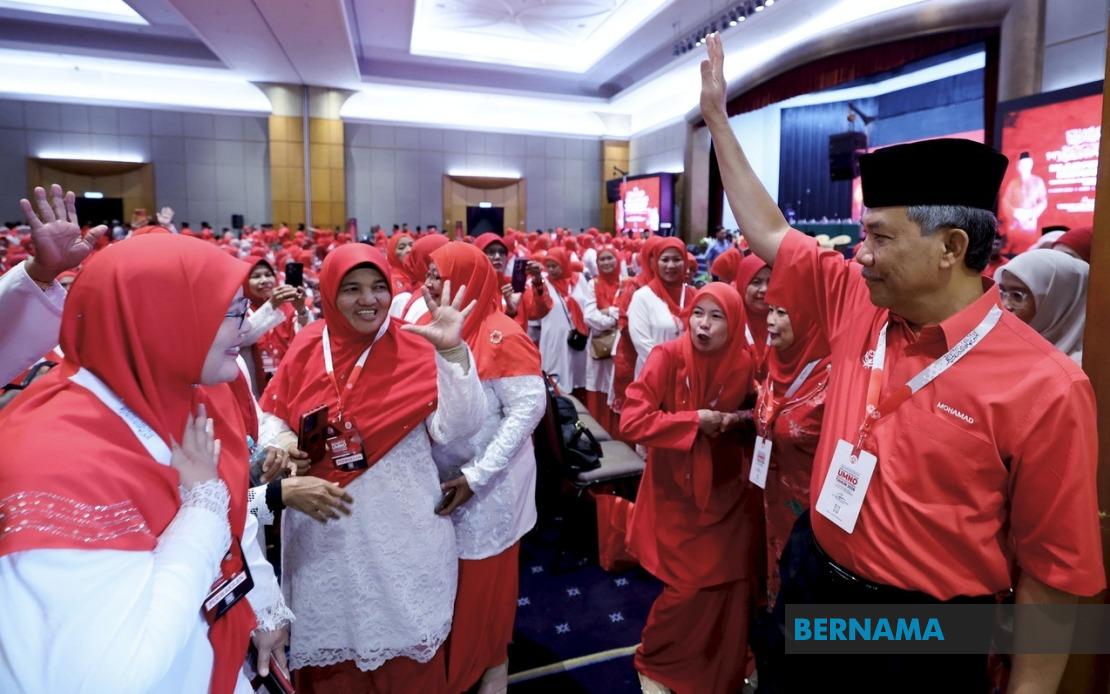
The Barisan Nasional coalition signalled a potential overhaul of its traditional seat-allocation formula for the Negeri Sembilan state election scheduled for August 1, marking a strategic recalibration aimed at maximising voter choice and component party opportunities. Datuk Seri Mohamad Hasan, the BN deputy chairman and Negeri Sembilan BN chairman, disclosed that the coalition is reviewing its long-standing practice of reserving specific constituencies for particular member parties, a system that has governed Malaysian electoral politics for decades.
The rationale for this departure from convention centres on demographic shifts within the state's constituencies. Mohamad explained that voter composition across most seats has transformed substantially, rendering historical patterns of party dominance potentially obsolete. Rather than perpetuating automatic allocations based on organisational hierarchy or historical precedent, the coalition now intends to match parties with constituencies where grassroots organisation and voter sentiment suggest genuine prospects of victory. This approach represents a pragmatic acknowledgment that rigid seat-sharing arrangements, while administratively convenient, may increasingly disconnect from electoral reality on the ground.
The implications of such a restructuring extend beyond mere tactical advantage. By loosening the grip of traditional strongholds and encouraging component parties to contest where they believe they possess competitive strength, BN aims to expand its appeal across demographic and geographic boundaries. The coalition's leadership recognises that unchanging seat assignments inevitably insulate incumbents from competitive pressure and may inadvertently deny voters meaningful electoral choices, particularly in areas where demographic changes have altered the electorate's composition or policy preferences. This shift reflects a broader recognition that Malaysian voters, especially in urban and semi-urban constituencies, increasingly expect elected representatives to earn their mandates through genuine engagement rather than inherit them through organisational convention.
However, the implementation of such changes carries substantial internal risks. Mohamad cautioned that the final determination of seat allocations and candidate nominations remains the exclusive prerogative of the BN Supreme Council at the federal level, suggesting that local enthusiasm for seat reallocation may encounter resistance from entrenched interests at the coalition's apex. Component parties with historical claims to particular constituencies may view any reallocation as diminishing their organisational status, potentially generating friction within the broader alliance. The coalition's inability to manage internal disputes effectively has proven costly in previous elections, with several seats slipping to opposition parties as a consequence of sabotage and demoralisation among BN's own rank-and-file members.
To operationalise this strategy, Mohamad instructed division heads to submit multiple candidate nominations for each contested seat, with a minimum of three aspirants per position. This tiered nomination process aims to retain flexibility and allow the BN Supreme Council to make informed decisions based on comprehensive candidate evaluations and electoral assessments. The compressed timeline, with candidate announcements scheduled for July 15 during the formal launch of BN's election machinery, indicates that the coalition faces considerable time pressure in executing this reorganisation while maintaining internal cohesion. Previous election performance and demographic analysis will inform the decision-making process, ensuring that seat allocations reflect empirical evidence of voter sentiment rather than organisational tradition.
The electoral implications for Negeri Sembilan are potentially significant. The state has historically been regarded as BN-friendly terrain, with the coalition commanding substantial majorities in the state assembly. However, recent national electoral trends have demonstrated that no coalition can take voter support for granted, particularly where local governance and developmental concerns diverge from federal politics. A more competitive internal allocation process, in theory, should stimulate greater enthusiasm among component party activists and encourage candidates to invest more substantively in constituency-level engagement. Conversely, if the reallocation process is perceived as unfair or politically motivated, internal resentment could undermine the coalition's cohesion precisely when unified action becomes essential for electoral success.
Pending the final decision on seat allocations, Mohamad remained noncommittal regarding his personal electoral intentions. He indicated that his continued candidacy for the Rantau state seat, which he has held since 2004, would depend entirely on the party leadership's directives, exemplifying the discipline expected throughout the coalition's ranks. This deference to collective decision-making, while rhetorically valuable for maintaining coalition unity, also underscores the concentration of power within BN's centralised structures. For Malaysian observers, the episode illustrates the ongoing tension between democratic principles demanding genuine electoral competition and organisational hierarchies designed to ensure reliable bloc voting patterns.
The Election Commission's schedule provides Negeri Sembilan's electorate with nearly four weeks between the nomination date of July 18 and polling day on August 1, alongside early voting opportunities on July 28. This relatively compressed campaign period requires BN to achieve internal agreement on candidates and seat allocations rapidly, leaving minimal time for grassroots adjustment or public negotiation of contested allocations. The coalition's capacity to implement its seat-reallocation strategy while containing predictable internal tensions will substantially influence its electoral performance in Negeri Sembilan and potentially offer broader insights into BN's organisational adaptability as Malaysian politics continues evolving toward greater voter autonomy and reduced dependence on traditional patronage networks.

