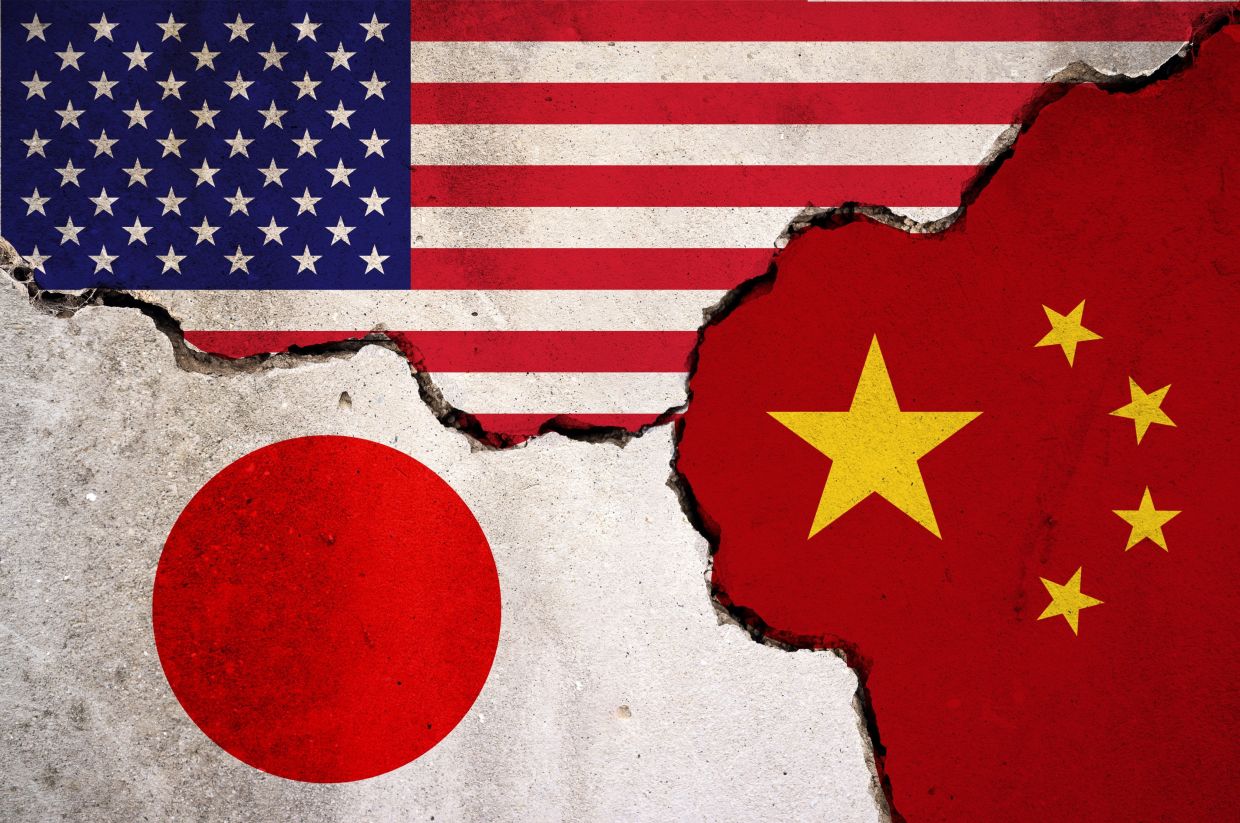
The relationship between the United States and Japan faces unprecedented strain as Beijing tightens economic screws on Tokyo and Washington remains conspicuously passive. Over recent months, China has systematically punished Japan through retaliatory measures that have left Tokyo increasingly isolated, prompting Japanese officials to seek American backing that has not materialised with any meaningful force. The rupture between Washington and Tokyo, according to regional analysts and former American officials, reveals troubling cracks in an alliance long considered bedrock to Asia-Pacific stability, and raises uncomfortable questions about Washington's willingness to defend its closest regional partner when geopolitical calculations shift.
The crisis originated in November when newly elected Prime Minister Sanae Takaichi stated forthrightly that a Chinese military assault on Taiwan would constitute a direct threat to Japan's survival. In unambiguous language before Japanese lawmakers, Takaichi explained that any such attack involving naval forces and military operations would inevitably threaten her nation's existence, rejecting calls for diplomatic hedging. While Beijing's furious reaction was entirely predictable—given that Taiwan remains a core strategic concern for Chinese leadership—the muted American response exposed uncomfortable realities about Washington's current strategic priorities and commitments.
China responded to Takaichi's comments by implementing rare earths export restrictions in January alongside other economic countermeasures, inflicting tangible damage on Japanese industry and supply chains. These restrictions, technically presented as regulatory measures, function as direct punishment for Tokyo's explicit alignment with Taiwan's security. Japan, seeking to contain the damage, has privately escalated its requests to Washington for intervention, transforming initial one-off appeals into sustained discussions at cabinet and legislative levels. Yet according to sources familiar with these exchanges, American officials have consistently downgraded the issue in priority discussions, with one insider characterising the response as dismissive: Japan raises concerns, and the conversation simply moves to the next topic.
Trump administration officials have acknowledged China's expanding economic coercion but have treated the matter without urgency, disappointing Japanese officials who expected more forceful advocacy from their superpower ally. The American president raised the rare earths restrictions during conversations with Chinese leader Xi Jinping, but the discussion apparently carried little weight in broader negotiations. Japanese frustration has metastasised into what officials describe privately as simmering dissatisfaction, with one source noting that Trump offers rhetorical support to Japan's leadership while simultaneously maintaining what critics characterise as a surprisingly accommodating posture toward Beijing. The contrast grates particularly hard given Tokyo's consistent efforts to strengthen defence ties and increase military spending in response to American requests.
Analysts attribute Washington's apparent indifference to multiple converging factors rooted partly in Trump's personality and partly in genuine strategic calculations. The Middle East conflict that Trump initiated through escalation with Israeli Prime Minister Benjamin Netanyahu has consumed substantial presidential attention and forced a reallocation of American military assets from Asia-Pacific toward the Persian Gulf. Think tanks including the Brookings Institution point to this geographic refocusing as explaining some of Washington's neglect of East Asian concerns, though this explanation remains incomplete since Takaichi's original comments preceded the February war commencement by several months.
The president's transactional approach to international relations compounds Japan's predicament, with Trump apparently viewing regional security commitments as negotiating chips deployable in dealings with Beijing. By maintaining strategic ambiguity about Taiwan and demonstrating lack of support for Japan, Trump may calculate that he strengthens his bargaining position with Xi ahead of potential summit meetings or ongoing trade discussions. Analysts suggest the president conflates alliance commitments with opportunities for leverage, treating the collective security architecture that underpins American interests in Asia-Pacific as fundamentally negotiable rather than foundational. This represents a departure from decades of American strategic consensus that regional security benefits all parties including the United States itself.
Trump's long-standing suspicion of allied nations as strategic free-riders further distorts his approach to Japan, despite Tokyo's exemplary record of burden-sharing and defence investments. Japan has responded enthusiastically to American calls for allies to increase military spending and acquire advanced capabilities to counter Chinese expansion, yet this compliance has paradoxically failed to secure reciprocal American commitment. The president expressed open disappointment that Japan, NATO members, and European allies declined to dispatch naval vessels or provide military assistance in the Persian Gulf, framing their refusal as failure to step up when the United States requires support. During a March White House meeting with Takaichi, Trump dismissed the notion that he needed allied assistance, suggesting that American strength rendered international cooperation superfluous.
Beyond these structural factors lies Trump's apparent psychological preoccupation with personal matters that former National Security Council officials suggest now dominate his second-term decision-making. Family property deals, cryptocurrency ventures, personal grievances, and factional disputes within Republican politics increasingly compete for presidential attention with traditional geopolitical concerns. This inward focus diminishes Tokyo's ability to command American resources or attention, relegating Japan's security concerns to the periphery of Trump's consciousness. One analyst noted reluctantly that gender dynamics may also influence Trump's approach, suggesting that leadership of a woman prime minister might factor into presidential calculations in ways that complicate Japan's diplomatic efforts beyond conventional strategic factors.
Japan faces a uniquely difficult predicament in this deteriorating environment, caught between China's increasing coercion and America's apparent unwillingness to provide meaningful defence. Tokyo cannot publicly complaint about Chinese pressure without appearing weak and inviting further attacks, yet continued silence in the face of mounting economic punishment risks encouraging Beijing to escalate further. Japanese officials harbour significant doubts that appealing directly to Washington yields results, given the administration's demonstrated lack of urgency and priorities focused elsewhere. The situation exposes the limitations of alliance commitments when the guarantor power prioritises other concerns and when leadership operates according to transactional rather than systemic logic.
For the broader region, Japan's predicament carries ominous implications about the reliability of American security commitments under the current administration. Allied nations throughout Asia-Pacific, particularly South Korea and Taiwan, observe closely how Washington handles Tokyo's situation, drawing conclusions about American credibility in the face of Chinese pressure. If the United States proves unwilling to defend its most strategically vital Asian ally—a nation hosting substantial American military presence and historically aligned closely with Washington—then other nations may rationally conclude that American security guarantees prove insufficient hedge against Chinese economic or military coercion. This perception shift could accelerate regional realignment, encouraging nations to negotiate separately with Beijing rather than relying on collective security architectures anchored to American commitment.
Japan's experience highlights a fundamental tension within Trump's approach to alliance management: the president simultaneously demands that allies increase defence spending and demonstrate strategic autonomy, yet withholds the political support and diplomatic backing that makes such independence strategically viable. Tokyo has complied enthusiastically with American requests for greater military contributions and technological cooperation, yet this compliance has not translated into stronger American backing against Chinese coercion. Regional stability long rested partly on the assumption that Japan could balance between Chinese economic integration and American security guarantees, playing both sides safely. Trump's approach threatens to destabilise that equilibrium by removing the American side of the equation without providing alternative arrangements, potentially forcing Tokyo toward greater accommodation with Beijing regardless of security implications.

