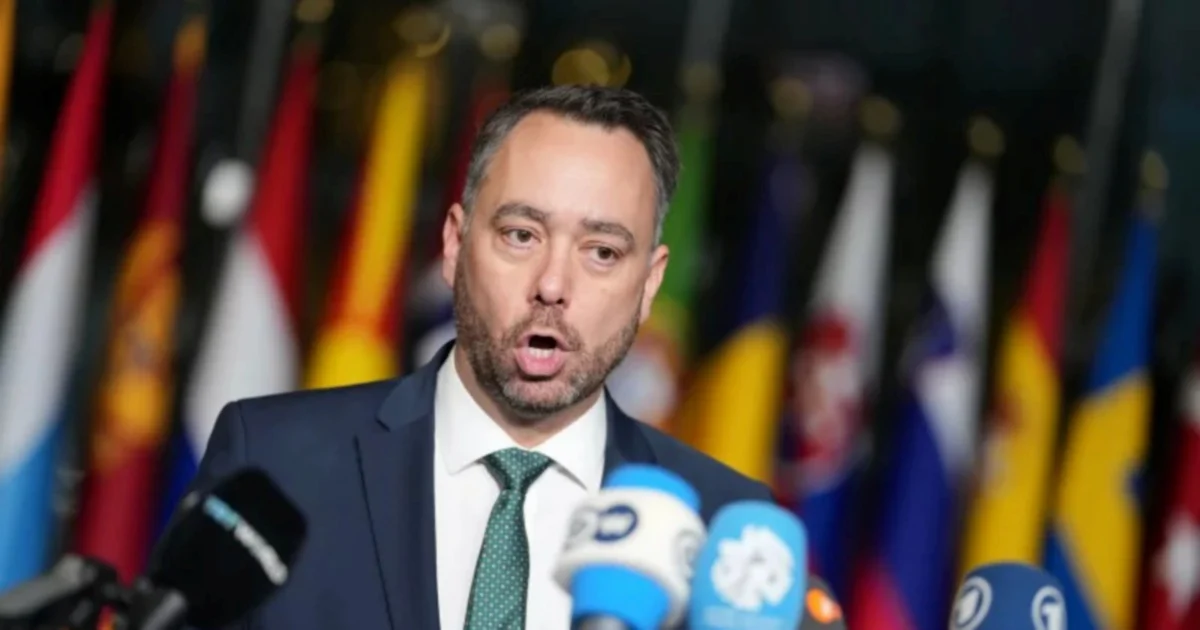
Belgium's Deputy Prime Minister and Foreign, European Affairs and Development Cooperation Minister Maxime Prevot will begin a two-day working visit to Malaysia tomorrow, signalling strengthened engagement between the two nations on critical economic and environmental fronts. The visit underscores Europe's growing interest in Southeast Asian partnerships as global energy systems undergo rapid transformation and supply chains for strategic materials become increasingly diversified.
The bilateral discussions will prioritise renewable energy cooperation, reflecting both countries' commitment to accelerating the transition away from fossil fuels. Belgium, which has invested heavily in wind power and solar technology, possesses technological expertise and operational experience that could benefit Malaysia's expanding clean energy ambitions. For Malaysia, which aims to achieve 31 per cent renewable energy capacity by 2025, engagement with advanced European economies offers valuable pathways to upgrading grid infrastructure, developing storage solutions, and attracting green technology investments that support the country's long-term decarbonisation goals.
Beyond energy, the discussions will encompass rare earth elements—materials essential for manufacturing renewable energy equipment, electric vehicles, and advanced electronics. This dimension carries particular significance for Malaysia, which hosts substantial rare earth processing capabilities and has historically supplied global markets. European nations increasingly seek to reduce dependency on distant sources for these critical materials, making Malaysia an attractive strategic partner. The conversation will likely explore potential trade frameworks and joint investment opportunities that could position Malaysia as a reliable supplier within Europe's emerging green supply chain ecosystem.
The halal industry component reflects Malaysia's established leadership in Islamic commerce and finance. As Europe's Muslim populations continue growing and consumer demand for halal-certified products expands, European companies view Malaysia as a gateway to understanding certification standards, manufacturing best practices, and market entry strategies. Belgium, hosting significant headquarters of European institutions and corporate operations, represents a strategic platform for halal sector advancement across the European Union. Discussions may focus on bilateral trade in halal products, recognition of Malaysian certification standards, and potential cooperation on educational initiatives and industry capacity-building.
The timing of this visit coincides with Malaysia's broader repositioning within global supply chains and its efforts to strengthen relationships beyond traditional trading partners. Southeast Asia has increasingly become a focal point for European strategic interests, driven by economic interdependence, supply chain resilience concerns, and shared objectives on climate action. For Malaysia specifically, high-level visits from European ministers underscore the nation's relevance in addressing transnational challenges ranging from energy security to sustainable commerce.
Belgium's position as home to major European Union institutions and multinational corporate headquarters adds diplomatic weight to Prevot's mission. Discussions conducted during this visit will likely influence broader European-Malaysian relations and potentially shape policy directions affecting investment flows, technology transfer, and regulatory harmonisation in green sectors. The conversations may also extend to exploring mechanisms for coordination on international forums addressing climate finance and sustainable development.
The renewable energy dimension of these talks holds particular urgency given Malaysia's energy mix and economic development trajectory. While the country remains a significant oil and gas producer, diversifying into renewables presents opportunities for energy independence, reduced operational costs, and alignment with international climate commitments under the Paris Agreement. European experience in managing energy transitions—including challenges of grid management, workforce transition, and investment mobilisation—offers practical lessons applicable to the Malaysian context.
Rare earth elements discussions will likely address concerns about supply chain vulnerability affecting Europe's green transition goals. Malaysia's processing infrastructure and capacity to expand operations make it valuable for European efforts to establish alternative sourcing arrangements that reduce geopolitical risks. Such cooperation could include joint research initiatives, investment partnerships, or regulatory frameworks ensuring sustainable extraction and processing practices aligned with international environmental standards.
The halal industry component signals recognition of Malaysia's competitive advantages in Islamic finance and commerce. As halal markets expand globally—valued at hundreds of billions of dollars annually—European engagement with Malaysian expertise and institutions represents commercial opportunity alongside cultural understanding. Discussions may encompass cooperation on halal tourism, financial services, cosmetics, pharmaceuticals, and food manufacturing, sectors where standards alignment and market access agreements could generate substantial bilateral trade benefits.
For Malaysian policymakers and business communities, Prevot's visit presents opportunities to advance strategic objectives in green industrialisation, export market diversification, and technology partnerships. Outcomes from these discussions could inform Malaysia's engagement with European governments and corporations, influencing investment decisions, supply chain relationships, and collaborative research initiatives addressing shared global challenges.
The visit also reflects broader geopolitical dynamics wherein Southeast Asia serves as meeting ground for multiple international actors competing for influence and partnership opportunities. Malaysia's ability to attract high-level visits and conclude substantive bilateral agreements strengthens its negotiating position regionally and internationally, particularly regarding climate finance, technology access, and fair trade arrangements that support sustainable development objectives across Southeast Asia.

