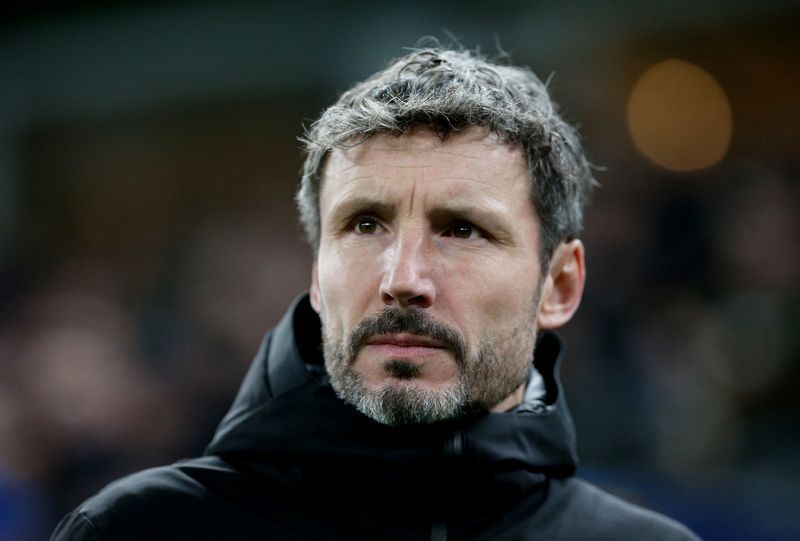
Mark van Bommel has swiftly put to rest any speculation about his commitment to Belgium, making clear during his inaugural press conference that he had no inclination to hold out for a potential vacancy with the Dutch national team. The 49-year-old, who took over from Rudi Garcia in late July, emphasised that accepting the role as Belgium coach was straightforward and required no deliberation on his part, despite the Netherlands remaining in the market for a manager following their World Cup campaign.
The new Belgium boss, speaking on Friday in Brussels, articulated his conviction that managing a country's national team represents one of professional football's most coveted positions. Van Bommel drew on his experience as a coach and former elite-level player to explain the distinction between domestic club football and international competition. His reasoning centred on the privilege of working exclusively with a nation's finest talent, a privilege he suggested is afforded to relatively few individuals given the limited number of truly elite footballing nations on the global stage.
Van Bommel's appointment followed Belgium's respectable but ultimately disappointing showing at the World Cup, where Rudi Garcia's side reached the quarter-final stage before exiting. The Belgian Football Association opted against extending Garcia's contract and moved quickly to install Van Bommel, whose pedigree includes championship-winning stints at major European clubs and a playing career that saw him feature for the Netherlands in the 2010 World Cup final. His credentials as a three-time champion with Barcelona, Bayern Munich and AC Milan positioned him as an attractive candidate for the coveted post.
When pressed about whether he had entertained thoughts of waiting for the Dutch position, Van Bommel was unequivocal in his denial. He explained that despite receiving numerous offers across the previous two years, none had resonated sufficiently to warrant serious consideration until the Belgium opportunity materialised. The rapidity with which the situation developed appears to have been instrumental in his decision-making process, suggesting that the timing and nature of the opportunity aligned perfectly with his professional ambitions at this stage of his career.
The coach elaborated on his philosophy regarding competitive objectives, stressing that ambition to achieve silverware remains fundamental to his approach whether in a playing or coaching capacity. However, he displayed measured realism when discussing Belgium's prospects, deliberately refraining from making grandiose predictions about winning major tournaments. Van Bommel appeared to reference the Dutch tendency toward bold proclamations, noting that numerous variables influence tournament outcomes and that premature declarations of victory could prove counterproductive.
Belgium's immediate schedule begins with Nations League fixtures, providing Van Bommel his debut opportunity on September 25 when the team travels to Rome to face Italy. The opening month of his tenure will be demanding, encompassing further matches against Turkey and France during the September-October international window. These early contests will offer an initial barometer of Van Bommel's tactical approach and his ability to command the respect and performance of Belgium's talented squad.
One significant personnel challenge facing the new coach concerns goalkeeper Thibaut Courtois, who signalled following the World Cup his desire to step back from international football. Van Bommel addressed this matter with diplomacy, indicating that no premature decisions would be made regarding Courtois's status. The coach's approach suggests he intends to initiate dialogue with the Madrid-based shot-stopper only once both parties can engage in substantive conversation, rather than rushing into judgement based on initial statements made in the emotional aftermath of the tournament.
Van Bommel's characterisation of his conversation strategy regarding Courtois reveals a thoughtful management style cognisant of the psychological dimensions of international football. He indicated that Courtois may reassess his position upon reflection and that meaningful discussions would occur only when the goalkeeper has resumed full training commitments. This measured approach contrasts with the potentially destabilising effect of immediate confrontation over player availability and suggests a coach attuned to the nuances of handling elite athletes navigating career and personal priorities.
For Malaysian and Southeast Asian observers, Van Bommel's appointment and his clear prioritisation of the Belgium role carries implications for the regional football development landscape. The attraction of national team positions to world-class coaches underscores the premium placed on international competition, a reality that influences talent distribution and coaching expertise across continents. Van Bommel's willingness to commit to Belgium despite potential alternative opportunities signals the genuine competitive stature of the Red Devils within European football hierarchy.
The appointment also reflects broader trends in football where experienced, pragmatic operators like Van Bommel are increasingly valued over flamboyant figures promising instant transformation. His measured communication and acknowledgement of complexity in football management may set a tone for Belgium's approach in the coming qualification campaigns and major tournaments. For Asian teams aspiring to develop competitive national programmes, the methodical professionalism demonstrated by Van Bommel represents an instructive example of how elite international football operates at its highest echelon.

