%22%2F%3E%3C%2Fpattern%3E%3C%2Fdefs%3E%3Crect%20width%3D%22100%25%22%20height%3D%22100%25%22%20fill%3D%22url(%23phrxk0g)%22%2F%3E%3Crect%20width%3D%22100%25%22%20height%3D%22100%25%22%20fill%3D%22url(%23phrxk0p)%22%2F%3E%3Ctext%20x%3D%2250%25%22%20y%3D%2250%25%22%20text-anchor%3D%22middle%22%20dominant-baseline%3D%22central%22%20fill%3D%22rgba(255%2C255%2C255%2C0.95)%22%20font-family%3D%22Georgia%2C%20'Times%20New%20Roman'%2C%20serif%22%20font-weight%3D%22700%22%20font-size%3D%22194%22%20letter-spacing%3D%22-0.02em%22%3EBernama%3C%2Ftext%3E%3C%2Fsvg%3E)
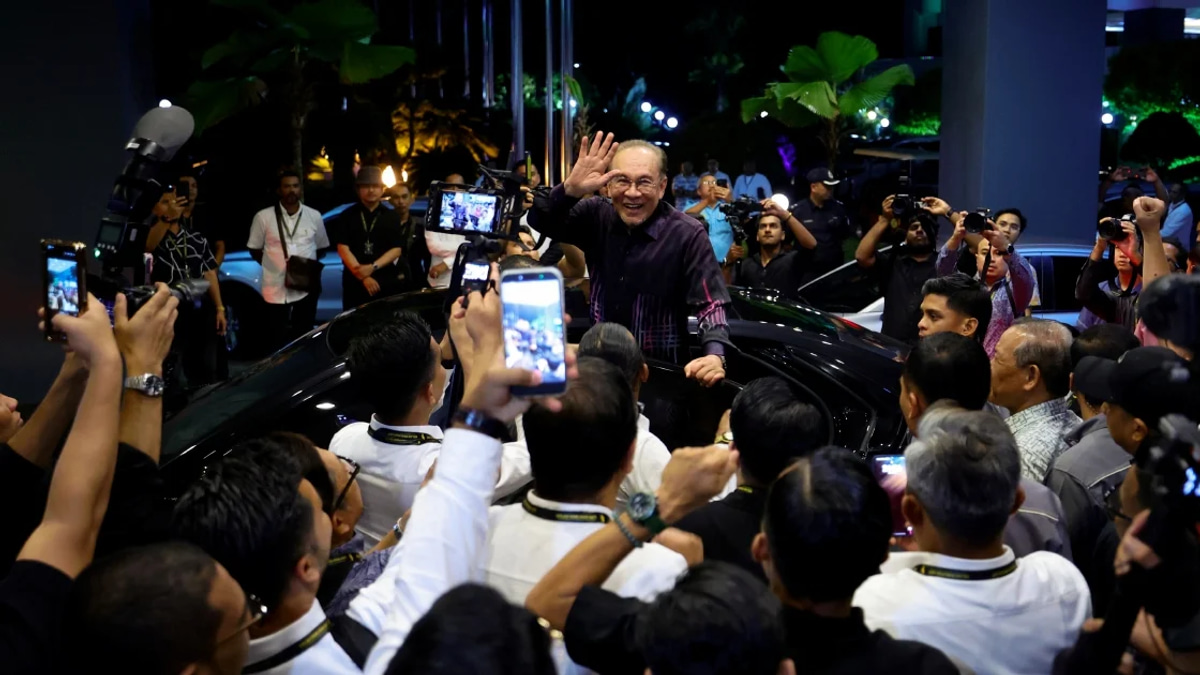
Bernama's recent staging of the National Journalists' Day (HAWANA) 2026 Grand Finale in Butterworth has underscored the Malaysian National News Agency's capacity to orchestrate substantial gatherings while marshalling its own institutional resources. The successful execution of the event at PICCA Convention Centre @ Butterworth Arena, attended by Prime Minister Datuk Seri Anwar Ibrahim, Penang Chief Minister Chow Kon Yeow, and Communications Minister Datuk Fahmi Fadzil, reflects a deliberate strategic approach to building organisational self-sufficiency in event management.
Bernama chief executive officer Datin Paduka Nur-ul Afida Kamaludin expressed considerable satisfaction with the dedication displayed by personnel across the various operational sub-committees. As chairman of the HAWANA 2026 Working Committee, she highlighted how internal teams collaborated to ensure the programme's overall coherence and quality delivery. This systemic approach demonstrates a shift toward strengthening institutional capacity rather than outsourcing critical functions, a practice increasingly relevant for government agencies seeking to demonstrate efficiency and cost-effectiveness.
One particularly significant achievement was Bernama's inaugural internally-produced live broadcast, representing a technological and logistical milestone for the organisation. Rather than engaging external production companies, the agency deployed its own creative and technical personnel to manage all broadcast production elements. This expansion of capability extends beyond conventional news gathering into the realm of sophisticated multimedia content creation, signalling broader transformation within Malaysia's oldest news institution.
The scope of in-house production extended comprehensively across the event's visual and promotional infrastructure. Artificial intelligence-assisted video production, alongside poster design and layout composition, all originated from Bernama's internal creative departments. Such integration of emerging technologies with existing staff expertise suggests the agency is positioning itself to compete effectively in an increasingly digitised media environment, particularly relevant as newsrooms globally navigate technological disruption.
Nur-ul Afida articulated an intention to rotate future HAWANA celebrations across different Malaysian states, transforming the annual gathering into a rotating platform that builds regional awareness and strengthens connections between the media fraternity and host communities. This decentralisation strategy potentially offers secondary benefits, including reduced concentration of activity in major urban centres and opportunities for journalists to familiarise themselves with political and economic landscapes across the federation. For Malaysian media practitioners and international colleagues attending from other ASEAN nations, such geographic variation could enhance the professional networking value of the event.
The attendance of approximately 1,000 media professionals, including delegations from neighbouring ASEAN countries, underscores HAWANA's significance as a unifying platform within Southeast Asia's journalism community. This year's theme, "Media Integrity Strengthens Credibility," carries particular weight amid regional discussions about information reliability, journalistic standards, and the responsibilities of news organisations during periods of political and social transition. The gathering provided a forum for practitioners to engage with thematic content addressing shared professional challenges across borders.
Inquiries from attendees regarding next year's venue suggest sustained institutional interest in the HAWANA platform and confidence in Bernama's execution capabilities. Such enthusiasm indicates the event has transcended its role as a mere annual observance, establishing itself as a fixture within Malaysia's media calendar that participants anticipate and value. This organic demand validates the investment in the programme's development and professionalisation.
Bernama has held the implementing agency responsibility for HAWANA for six consecutive years, a sustained mandate that reflects governmental confidence in the organisation's administrative capacity and programming vision. The agency's aspirations to maintain this role reflect broader institutional objectives around relevance and institutional prestige. For the Communications Ministry, continuing to assign implementation duties to Bernama represents a form of institutional trust and resource allocation decision that carries implications for the agency's future operational scope and budget considerations.
The successful deployment of internal expertise across planning, technical production, creative design, and logistical coordination demonstrates that Bernama possesses cross-functional capabilities extending well beyond its traditional news distribution function. This diversification, particularly into event management and multimedia production, potentially positions the agency to offer expanded services to government and corporate clients, creating alternative revenue streams and utilising existing staff infrastructure more comprehensively. Such organisational evolution becomes increasingly important as news agency business models face sustained pressure from digital disruption and advertising revenue migration.
From a regional perspective, HAWANA's growth and the presence of ASEAN journalists reinforces Malaysia's positioning as a centre for media dialogue and professional development within Southeast Asia. The event facilitates cross-border collaboration, professional standard-setting, and the exchange of journalistic practices, contributing subtly to broader regional integration efforts. For Malaysian media practitioners, these gatherings provide exposure to international peers and opportunities to benchmark local practices against regional norms, potentially elevating overall industry standards.
Looking forward, Bernama's demonstrated capability to execute large-scale events using internal resources opens possibilities for expanded institutional roles beyond news distribution. Government agencies increasingly recognise value in consolidating event management functions within trusted implementing bodies, and Bernama's successful track record could position it for expanded responsibilities in communicating government initiatives and coordinating media engagement activities. Such expansion would require continued investment in staff training, technology infrastructure, and creative talent development to sustain the quality demonstrated at HAWANA 2026.