Perikatan Nasional descended into fresh turmoil on Tuesday when Bersatu, one of the coalition's principal components, formally questioned the procedural legitimacy of an emergency Supreme Council meeting convened the previous night. The unexpected challenge underscores simmering tensions within the opposition alliance and raises uncomfortable questions about governance standards at the highest level of the coalition's decision-making apparatus.
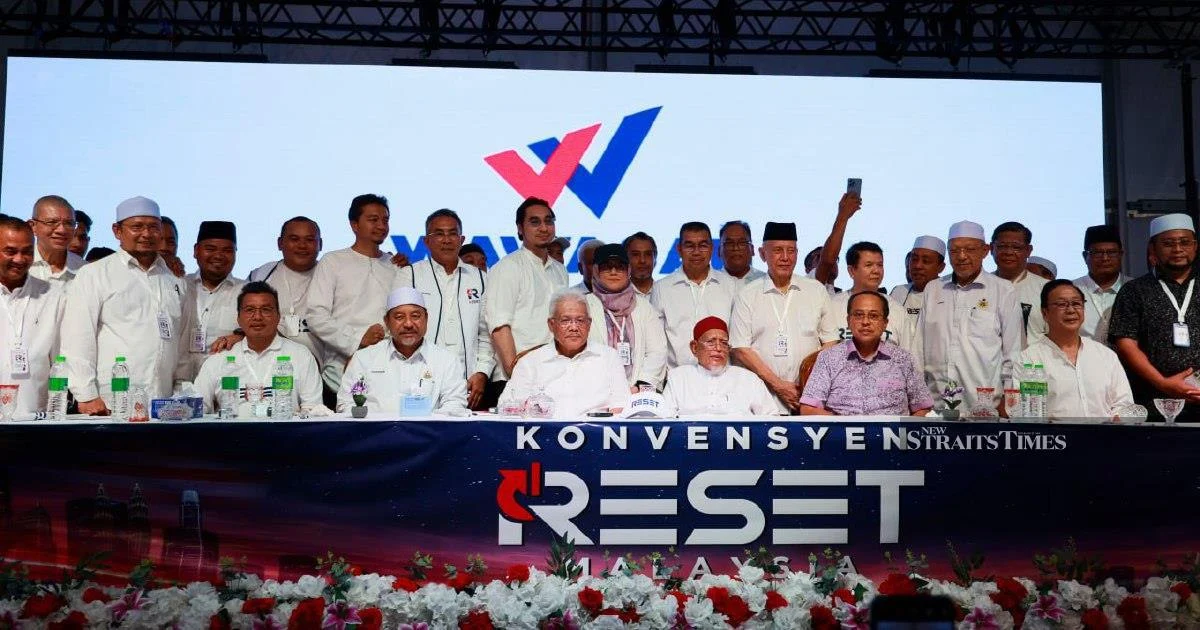
The crux of Bersatu's complaint centres on allegations that PN Chairman Datuk Seri Muhammad Zahid Hamidi circumvented established protocols when he hastily scheduled and executed the emergency session to vote on Wawasan's admission as a new member. According to Bersatu's position, the manner in which the meeting was convened—with what the party characterises as inadequate notice and insufficient deliberation—contravenes the coalition's own constitutional bylaws governing how major decisions should be processed and approved.
The controversy illuminates a fundamental fault line within PN's organisational structure. Opposition coalitions in Malaysia have historically struggled with internal cohesion, particularly when rapid decisions are required without the customary consultation period that member parties expect. Bersatu's intervention suggests that concerns about the chairman's unilateral exercise of authority are not merely procedural nitpicking but reflect genuine anxiety among coalition members about their voice and voting influence being diminished.
Wawasan's entry into Perikatan Nasional represents a strategic manoeuvre to strengthen the coalition's political positioning, particularly as Malaysia approaches potential electoral contests. The organisation's admission could alter the internal power dynamics and resource allocation within PN, explaining why Bersatu felt compelled to challenge the decision rather than accept it as a fait accompli. The speed with which the vote occurred—through an emergency nocturnal meeting—suggests that some parties within the coalition may have felt excluded or bypassed in the process.
The timing of this internal dispute carries broader implications for PN's credibility as a unified political force. For Malaysian voters and observers, intra-coalition conflicts raise legitimate questions about whether the alliance possesses sufficient institutional maturity and internal discipline to function effectively as a prospective governing coalition. Such public disagreements, particularly regarding procedural fairness, can erode confidence in the organisation's ability to manage larger policy decisions transparently and democratically.
Bersatu's challenge also reflects the delicate equilibrium that must exist within any multi-party coalition. PAS, PKR's splinter faction Bersatu, and other members each bring distinct constituencies and ideological positions to Perikatan Nasional. When the chairman acts unilaterally without adequate consultation, smaller parties risk finding themselves marginalised in decision-making structures, compelling them to assert their procedural rights loudly and publicly to maintain relevance and protect their interests.
For Southeast Asian political dynamics more broadly, this incident illustrates a persistent challenge facing opposition coalitions across the region. Building durable alliances requires more than agreement on core political objectives; it demands robust institutional mechanisms that ensure all members feel genuinely heard and valued. When expedience trumps procedure, member parties naturally become defensive, viewing emergency decisions as potentially threatening to their position within the alliance architecture.
The path forward for Perikatan Nasional will likely require either validation of the emergency meeting's legality through a formal review or acknowledgment that the procedure was irregular and needed correction. Either outcome carries political costs. Defending the chairman's authority risks further antagonising Bersatu and potentially other coalition members who fear marginalisation, whilst admitting procedural failings could undermine Muhammad Zahid Hamidi's leadership credibility at a sensitive moment for the coalition's development.
This episode underscores why coalition politics in Malaysia remains perpetually fragile. Member parties retain fundamentally competing interests—resources, ministerial positions, electoral prospects—that only temporary policy agreements and mutual political necessity hold together. When leadership actions appear to prioritise speed over consultation, dormant anxieties resurface rapidly and publicly, threatening the coalition's carefully balanced internal dynamics.
Looking ahead, Perikatan Nasional faces a critical juncture. The coalition must either implement more rigorous governance frameworks that explicitly address emergency procedures and consultation requirements, or accept that internal governance disputes will continue punctuating its public presentation. The Wawasan admission controversy, whilst ostensibly about a single membership decision, actually reflects deeper structural questions about how PN intends to operate and whether it can maintain sufficient internal discipline and trust to function effectively as a governing alternative.