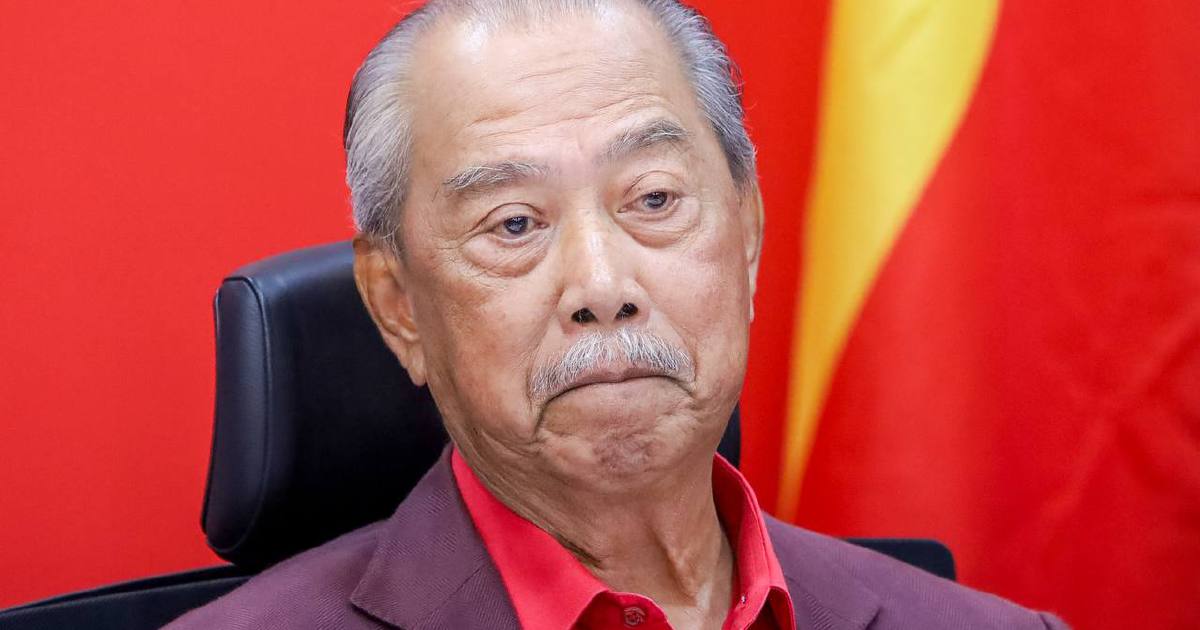
Parti Pribumi Bersatu Malaysia has signalled its commitment to the Perikatan Nasional alliance by confirming it will remain within the coalition and deploy candidates across the forthcoming state elections in Johor and Negri Sembilan using the PN's unified electoral branding. Party president Tan Sri Muhyiddin Yassin made the declaration, underlining the stability of the opposition-aligned grouping as Malaysia prepares for a succession of state-level contests that will test the viability of competing coalitions.
The decision represents a continuation of Bersatu's strategic positioning within PN, an alliance that has shifted the landscape of Malaysian opposition politics over the past several years. By explicitly opting to campaign under the coalition logo rather than its own party symbol, Bersatu is attempting to consolidate voter support behind a unified opposition front, a tactic designed to counter the governing Barisan Nasional and other competing groups. This coordinated approach to electoral contests has become increasingly important as Malaysia experiences a fragmentation of political loyalties at both federal and state levels.
For Johor, one of Malaysia's most politically significant states given its size and economic importance, Bersatu's full participation under the PN banner will likely intensify competition in a region where Barisan Nasional has traditionally maintained substantial support. The state election carries national implications, as victories at the state level often serve as barometers for federal political strength. By committing resources and candidates to Johor under a unified coalition identity, Bersatu is attempting to leverage the broader PN infrastructure to challenge the incumbent state government's dominance across the state's 56 constituencies.
The Negri Sembilan contest operates within a different political context, as the state has experienced multiple shifts in governance and coalition control over recent election cycles. Bersatu's decision to contest under the PN logo in Negri Sembilan reflects a belief that coalition unity offers better prospects for electoral success than attempting to campaign as a standalone entity. This represents a strategic calculation that the electorate in both states will respond more favourably to a consolidated opposition grouping than to individual party efforts.
Muhyiddin's declaration carries implications for internal coalition dynamics within PN itself, signalling that potential tensions between member parties have been managed or set aside in favour of unified campaign strategies. The commitment also suggests that discussions regarding seat allocation and candidate fielding among PN component parties in these two states have progressed to a stage where formal announcements can be made. Such coordination typically involves negotiation among coalition partners to prevent damaging intra-alliance competition.
From a broader Southeast Asian perspective, Malaysia's coalition politics demonstrate how opposition movements attempt to consolidate fragmented voter bases in competitive democracies. Bersatu's strategy mirrors approaches adopted by opposition coalitions across the region, where unified branding and coordinated campaigning serve as mechanisms to overcome structural disadvantages faced by groups challenging incumbent parties with superior institutional resources and state apparatus access.
The timing of this announcement likely reflects the electoral calendar and planning requirements for state campaigns. Candidates typically require several months of preparation, grassroots organizing, and campaign infrastructure development before contesting elections. By making an early commitment to the PN framework and logo, Bersatu and the broader coalition can begin systematic preparations, avoiding last-minute disruptions or competitive disputes that could undermine overall performance.
For Malaysian voters in Johor and Negri Sembilan, the adoption of unified coalition branding may influence electoral calculations. Some voters perceive coalition campaigns as stronger and more viable governing alternatives, while others view them with scepticism, preferring individual parties with distinct platforms. The extent to which PN's unified approach resonates with state-level electorates will partially determine the coalition's electoral fortunes and national political implications.
Bersatu's continued participation within PN also reflects longer-term calculations about the party's future role in Malaysian politics. Maintaining coalition membership provides access to electoral infrastructure, broader campaign resources, and the potential to participate in post-election governing arrangements, benefits that standalone status would forfeit. The party's willingness to subsume its individual brand identity beneath the coalition logo suggests confidence that PN offers better prospects for institutional relevance and political influence than independent operation.
The confirmation also occurs within the context of ongoing disputes and negotiations that characterize Malaysia's volatile coalition landscape. Previous state elections have witnessed last-minute disputes between coalition partners over seat allocations, candidate selections, and electoral strategies. Bersatu's explicit commitment may represent an attempt to establish clarity and prevent ambiguity that could trigger competitive tensions detrimental to overall coalition performance in these crucial electoral contests.