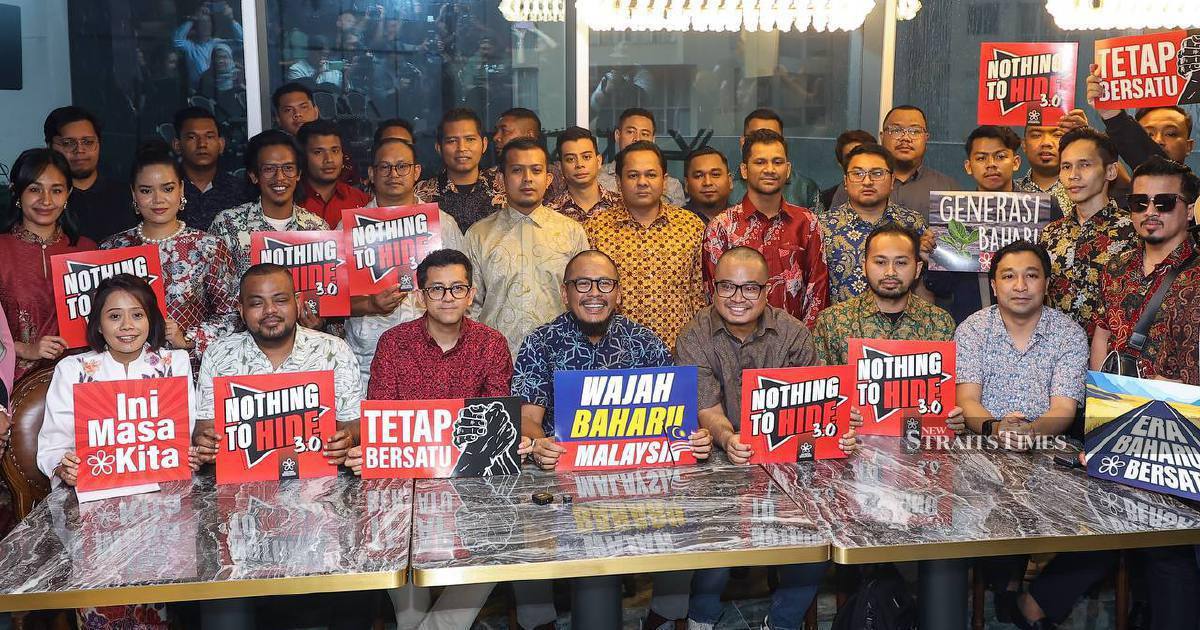
Kota Siputeh assemblyman Mohd Ashraf Mustaqim Abdul Munir has struck a conciliatory tone regarding the fractious relationship between Bersatu and Pas, two significant pillars of the Perikatan Nasional (PN) coalition. Speaking to the political temperatures that have risen between the allies in recent weeks, he deployed a household metaphor to convey his belief that the situation remains salvageable, comparing the dynamic to couples who maintain their household bonds despite periodic arguments.
The assembly representative's measured assessment comes at a time when divisions within PN have become increasingly visible to the Malaysian public. Both Pas and Bersatu, having formally entered into electoral and parliamentary cooperation under the PN banner, have found themselves at odds on several policy fronts and strategic decisions. These disagreements have raised questions about the coalition's internal cohesion and its capacity to present a united front on major national issues affecting the country's political direction.
Mohd Ashraf's intervention reflects an awareness among mid-ranking party figures that internal disputes risk undermining PN's effectiveness as a governing force and electoral machine. The coalition, which counts among its members representatives across peninsular Malaysia and East Malaysia, has positioned itself as an alternative to both the Pakatan Harapan government and previous administrations. However, its ability to deliver on this positioning depends fundamentally on maintaining workable relations between its constituent members, particularly the two largest partners.
The use of matrimonial imagery to describe political alliances is notable in Malaysian political discourse, suggesting that both Pas and Bersatu have made institutional and electoral commitments to one another that, while strained, remain fundamentally binding. This framing implicitly acknowledges that temporary friction, however pronounced, does not necessarily portend coalition collapse. Instead, it suggests that friction represents a manageable phase that competent leadership can navigate through dialogue and compromise.
Within the Malaysian political ecosystem, coalition stability has proven historically significant for governance outcomes. Previous coalition arrangements have fragmented when internal tensions were permitted to escalate unchecked, resulting in shifting parliamentary majorities and unstable governments. The experience of such instability has made political observers and participants alike attentive to signals about coalition durability. Mohd Ashraf's statement therefore carries weight as a barometer of internal sentiment within PN's institutional machinery.
Pas, as the larger coalition member by parliamentary representation, and Bersatu, with its concentrated influence within certain state administrations, each bring distinct voter bases and regional strongholds to their arrangement. Tensions between them often reflect competing claims about strategic direction, resource allocation within the coalition, and which party's ideological preferences should guide coalition positioning. Disagreements on such matters are not inherently destructive; they become destabilizing only when mechanisms for managed disagreement break down completely.
The Kota Siputeh representative's optimism about reconciliation prospects suggests that such mechanisms remain operational. Regular inter-party consultations, shared coalition machinery, and parallel involvement in state and federal governance apparently continue functioning sufficiently to permit communication channels to remain open. This institutional continuity contrasts with situations where alliances have splintered more dramatically, typically when parties cease engaging constructively with one another.
For Malaysian voters and observers tracking coalition politics, such reassurances matter significantly. Political stability, whatever its formal institutional basis, ultimately rests upon the willingness of major political actors to maintain cooperative relationships even amid disagreement. Mohd Ashraf's statement serves to reassure constituencies who have invested political support in the PN coalition that temporary tensions do not presage electoral or governing realignment.
The Southeast Asian context adds another dimension to coalition politics in Malaysia. Regional stability considerations, the integration of Malaysian politics within broader regional frameworks, and the stakes involved in major parliamentary votes all create incentives for maintaining coalition coherence. International observers monitor Malaysian political stability as a regional indicator; visible coalition collapse creates uncertainty that extends beyond domestic boundaries.
Looking forward, the reconciliation narrative articulated by Mohd Ashraf will require substantive follow-through. Political rhetoric about repairing alliances must eventually translate into concrete agreements about governance priorities, policy implementation, and strategic coordination. Without visible movement toward resolving substantive points of friction, even optimistic assessments of coalition durability may ring hollow among party members and supporters who have observed the recent tensions firsthand.
The coming weeks and months will test whether the metaphorical married couple can move beyond surface-level reconciliation toward genuine cooperation. Major legislation, budget negotiations, and state-level governance decisions will provide practical tests of whether Pas and Bersatu leadership can translate goodwill into effective partnership. These real-world tests will ultimately determine whether the assembly representative's optimism proves justified or whether deeper structural problems within the alliance require more fundamental address.

