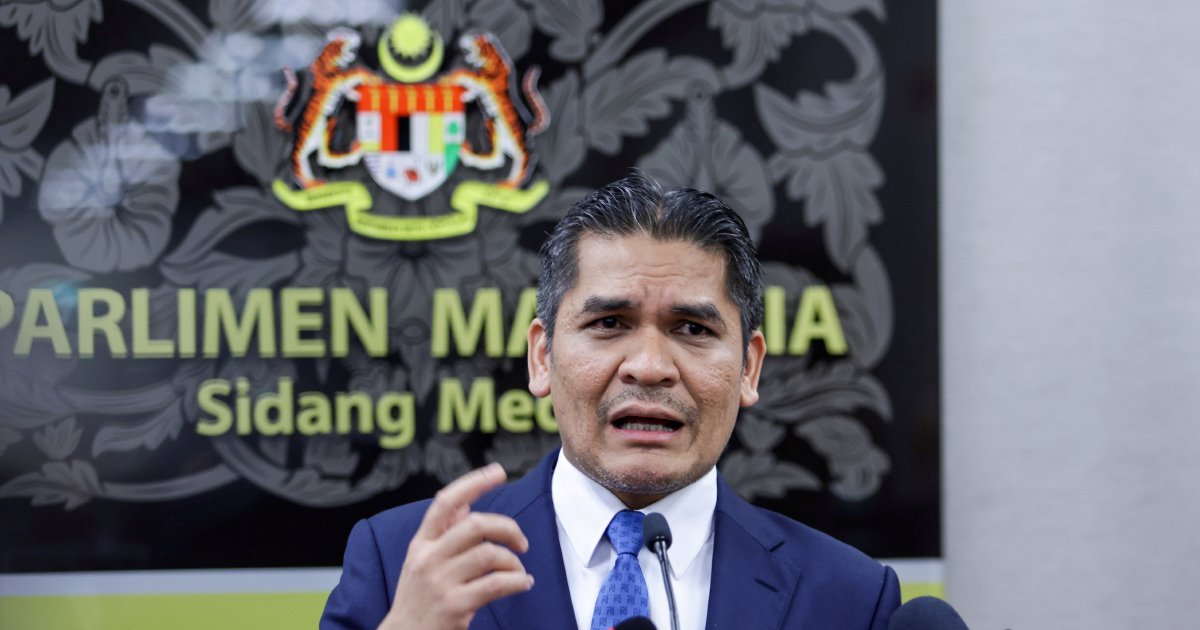
Datuk Dr Radzi Jidin confirmed that Bersatu members of Parliament will be present throughout today's special parliamentary sitting to discuss the Royal Commission of Inquiry report on Lembaga Tabung Haji, signalling the party's commitment to engaging with the controversial pilgrimage fund inquiry findings in the Dewan Rakyat.
The decision to maintain Bersatu's presence at the sitting marks an important moment in Malaysia's legislative proceedings, as the RCI report on Tabung Haji has become a focal point for parliamentary scrutiny and public debate. The special session represents an opportunity for lawmakers to formally examine the commission's findings and recommendations regarding governance, financial management, and accountability at the Islamic financial institution.
Tabung Haji has faced sustained criticism over the past several years regarding investment losses, governance lapses, and the management of pilgrim savings. The RCI was established to conduct an independent investigation into these concerns and provide findings that could inform potential reforms at the institution. The inquiry's report carries significant weight, as it represents an official assessment of what transpired at the fund and may recommend corrective measures or personnel changes.
Bersatu's explicit confirmation that its parliamentarians will not stage a walkout reflects the party's positioning on the issue and its approach to parliamentary business. In Malaysian politics, parliamentary boycotts or walkouts by government coalition members have occasionally been employed as tactical gestures to demonstrate disapproval or to signal internal disagreements with coalition partners or government policies. The fact that Radzi Jidin felt compelled to publicly state that Bersatu MPs would remain suggests there had been previous speculation or concern about potential absences.
The timing of this parliamentary debate carries particular significance given the broader political dynamics in Malaysia. Tabung Haji, established as a statutory body to facilitate pilgrimage to Mecca, holds deep cultural and religious significance for Muslim Malaysians. Any governance failures or financial mismanagement therefore carries weight beyond mere corporate accountability—it touches on public trust in institutions managing funds meant to fulfill religious obligations. This broader context makes parliamentary engagement with the RCI findings a matter of public importance rather than routine legislative business.
Bersatu's participation in the debate will allow the party to voice positions on the RCI's conclusions and engage with other coalition partners and opposition members on potential policy responses. The party's lawmakers will be able to propose questions, seek clarifications from relevant ministers, and contribute to discussions about accountability mechanisms and future oversight arrangements for Tabung Haji. This engagement reflects the legislative system's expectation that government coalition members participate constructively in debates affecting public institutions.
The presence of all government coalition MPs, including Bersatu members, provides legitimacy to the parliamentary process and demonstrates that the institution is functioning as a forum for serious deliberation on matters affecting public finances and trust. When MPs from government parties are absent or staging walkouts during important debates, it can undermine public confidence in parliament's ability to hold institutions and officials accountable. Conversely, full attendance by coalition members signals seriousness about the inquiry's findings.
For Malaysian citizens and particularly for the millions of Muslims who have contributed to Tabung Haji or aspire to perform the Hajj pilgrimage, today's parliamentary session offers a transparent examination of how their savings have been managed and what safeguards exist going forward. The RCI report likely contains specific recommendations about governance structures, investment strategies, and oversight mechanisms that will be subject to parliamentary discussion and potential government implementation.
The broader implications for Malaysian parliamentary practice and governance are noteworthy as well. The readiness of Bersatu MPs to participate fully in this special sitting reflects the coalition's commitment to functioning parliamentary governance and legislative accountability. Malaysia's system depends on government coalition members actively engaging in debates about public institutions and participating in scrutiny processes, even when findings may be uncomfortable or critical of current or previous management.
Tabung Haji's challenges represent broader governance questions facing multiple Malaysian institutions. How public funds are managed, how oversight mechanisms function, and how institutions respond when independent inquiries identify problems are matters affecting investor confidence, public trust, and the nation's reputation for financial stewardship. Parliamentary debate on the RCI findings provides an opportunity to examine these systemic questions and potentially implement recommendations that could strengthen governance across similar institutions.
As Malaysia continues to navigate complex questions about institutional accountability and public trust, the parliamentary engagement with independent inquiries like the Tabung Haji RCI demonstrates the system's capacity to examine problems transparently and debate solutions openly. Bersatu's confirmation that its MPs will participate fully in today's sitting exemplifies this principle and provides another opportunity for the legislature to function as intended—a forum where elected representatives examine matters affecting the public interest and chart courses for improvement and reform.

