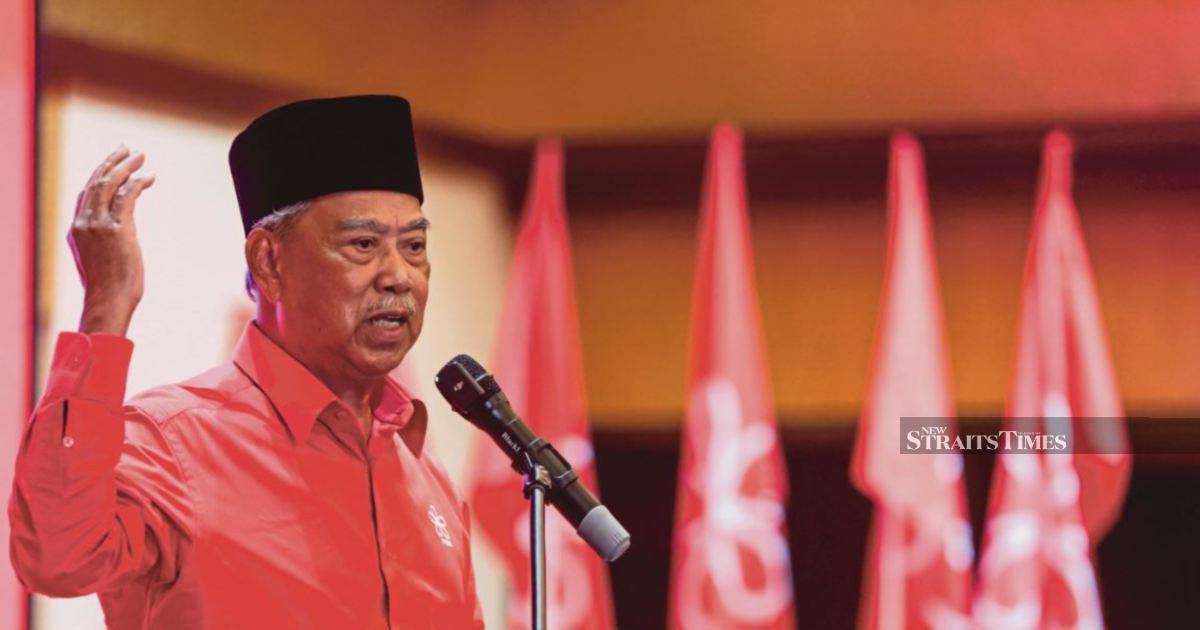
The Bumiputera Empowerment Party Bersatu will square off directly with two of its Perikatan Nasional allies in the forthcoming Negri Sembilan state election after confirming its candidacy across 24 legislative seats. This electoral positioning marks a significant development within the coalition structure, as the party faces internal competition from PAS and Warisan, which are also members of the broader Perikatan alliance.
The decision to field candidates in such a substantial portion of the state's electoral battleground reflects Bersatu's determination to strengthen its parliamentary representation in this particular region. By contesting roughly two-thirds of Negri Sembilan's available seats, the party signals its ambitions to play a meaningful role in shaping the state's political direction, regardless of broader coalition arrangements at the federal level.
The overlap between Bersatu's contest areas and those of PAS and Warisan introduces a layer of complexity to Perikatan's coordination strategy. Eight constituencies represent zones where multiple coalition partners are presenting competing slates of candidates. Such triangular contests typically benefit the opposition parties, as they allow competing candidates to split the pro-coalition vote and weaken Perikatan's consolidated electoral strength. This scenario raises questions about the coalition's pre-election planning and whether seat-sharing negotiations fully resolved all overlapping territorial claims.
Within Malaysian politics, such intra-coalition tensions are not unprecedented. Perikatan Nasional, which encompasses several distinct political entities with separate organisational structures and regional support bases, has previously experienced friction over seat allocation in various state elections. Bersatu, under its leadership, has historically maintained independent political ambitions even while participating in broader coalitions, reflecting its origins as a splinter faction from the United Malays National Organisation.
The Negri Sembilan election assumes particular significance for Bersatu as a testing ground for its electoral viability outside its traditional strongholds. The state, located in Malaysia's central region and characterized by a diverse demographic composition, presents both opportunities and challenges for a party seeking to broaden its appeal beyond specific ethnic or geographic constituencies. Performance in Negri Sembilan could signal the party's trajectory heading into future national electoral contests.
For PAS and Warisan, the presence of Bersatu competition in eight seats complicates their respective electoral calculations. Both parties may view Bersatu's aggressive seat claims as encroachment on territory they had hoped to secure within the coalition framework. PAS, which maintains a substantial grassroots organisation across many Malaysian states, typically possesses regional advantages in specific constituencies where it has historically established dominance. Warisan, as the Malaysian component of a broader Southeast Asian political network, brings its own voter base and strategic considerations to the electoral equation.
The broader implications for Perikatan Nasional's electoral performance extend beyond Negri Sembilan. Should internal competition between coalition components become widespread, the alliance risks fragmenting its message and diluting its overall electoral appeal. Voters may perceive the coalition as internally conflicted, thereby questioning its readiness to govern cohesively at the state level. This perception could redirect voter support toward opposition parties, particularly if Perikatan appears unable to present a unified front despite being formally allied.
Historically, state elections in Malaysia serve as important barometers for coalition strength and constituent party satisfaction. Results from Negri Sembilan will likely influence subsequent seat negotiations for other state elections planned within the electoral cycle. Should Bersatu perform strongly despite facing Perikatan allies, it may demand larger seat allocations in future contests. Conversely, poor results might strengthen the negotiating positions of PAS and Warisan, who could argue for expanded allocations based on their superior local organisation and voter appeal.
The electoral dynamics in Negri Sembilan also reflect broader shifts within Malaysian coalition politics. The traditional binary framework that dominated Malaysian elections for decades has fragmented into multiple competing alliances and internal factions. Perikatan's emergence as a major coalition has introduced new competitive pressures, as component parties pursue simultaneous individual and collective goals. The tension between Bersatu's national political ambitions and its coalition obligations exemplifies these contemporary challenges.
For Malaysian voters in Negri Sembilan, the presence of multiple coalition-aligned candidates in contested seats offers increased choice but also demands careful electoral decision-making. Voters supporting Perikatan's broader policy direction must determine which component party best represents their local interests and deserves their support. This complexity contrasts with simpler electoral environments where coalition boundaries remain clearly delineated across constituencies.
The outcome of the Negri Sembilan election will provide valuable insights into how Malaysian voters respond when confronted with intra-coalition competition. Should Bersatu perform competitively against PAS and Warisan in their shared constituencies, it validates the party's independent political standing and relevance within Perikatan. Alternatively, if Bersatu struggles while facing coalition allies, questions will arise about the party's longer-term viability and its role within the broader alliance structure moving forward.

