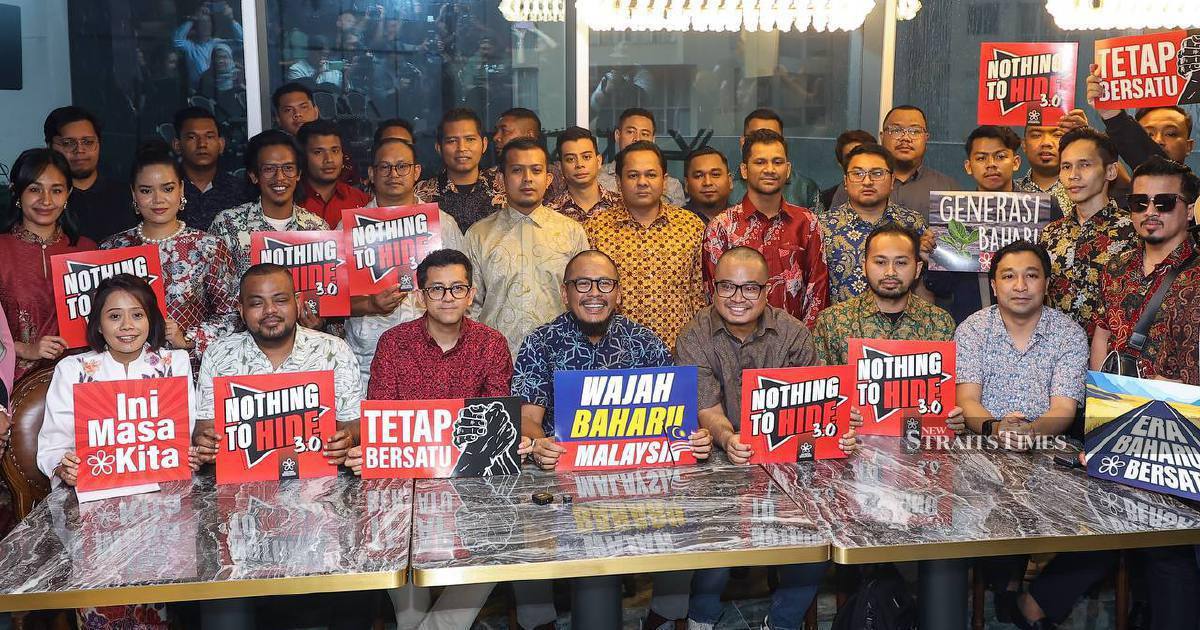
Bersatu's Kota Siputeh assemblyman Mohd Ashraf Mustaqim Abdul Munir has signalled optimism that the two Perikatan Nasional (PN) allies can move past their recent disputes and rebuild their working relationship. Speaking to the broader coalition tensions that have threatened the stability of the opposition pact, Ashraf employed a domestic metaphor to characterise the nature of their conflict, describing the dynamic as resembling a married couple who maintain proximity despite periodic disagreement.
The metaphor carries particular weight given the critical importance of PN's internal cohesion to its electoral prospects and continued relevance in Malaysian politics. Since the 2022 general election, the coalition has positioned itself as the main challenger to the Pakatan Harapan-led federal government, yet internal fractures have repeatedly undermined its ability to present a unified political front. The relationship between Bersatu and PAS, the two dominant forces within PN, has become increasingly consequential as both parties vie for influence and positioning within the alliance structure.
Ashraf's optimistic assessment contrasts with the more acrimonious public statements from senior figures within both parties in recent months. The tensions have manifested across multiple fronts, including disagreements over seat allocation, campaign strategy, and the direction of the coalition's messaging. Such disputes, while common in multi-party alliances, have nevertheless raised questions about whether PN possesses the organisational maturity and leadership capacity to maintain unity during periods of pressure.
The comparison to a married couple carries implications beyond simple political rhetoric. It suggests that beneath the surface antagonism lies a continuing commitment to the partnership itself, and that the disputes stem not from fundamental ideological rupture but rather from the ordinary frictions of cohabitation and shared responsibility. This framing implies that reconciliation mechanisms exist and that both parties retain sufficient incentive to preserve the arrangement. For Bersatu specifically, maintaining coalition discipline remains strategically vital, as the party lacks the independent electoral machinery that PAS possesses through its extensive grassroots network, particularly in rural constituencies.
The optimism expressed by Ashraf may reflect broader efforts within PN leadership to manage factional tensions and project stability to both internal party members and the electorate at large. Public displays of confidence in coalition durability serve multiple purposes: they reassure party militants that leadership remains in control, signal to potential defectors that the alliance will endure, and present to voters an image of determined opposition unity. Conversely, excessive negativity regarding PN's prospects could accelerate the very deterioration that leaders fear.
Context matters significantly here. The Malaysian political landscape has become increasingly unpredictable since the collapse of the Muhyiddin government in 2021, which itself originated from PN instability. That episode demonstrated the tangible costs of coalition failure for participating parties. Bersatu suffered substantial losses in the subsequent 2022 election, while PAS experienced more modest damage owing to its deeper rooting in certain constituencies. Both parties have institutional memory of the consequences of allowing internal disputes to spiral into public confrontation and eventual rupture.
The PAS-Bersatu relationship also operates within the broader context of Malaysian communal politics. PAS brings Islamic credentials and traditional Malay-Muslim voter networks, while Bersatu, despite its Islamic posturing, has attempted to position itself as the voice of Malay political innovation and has historically drawn support from different demographic segments. This complementarity has both bound them together and created friction, as each party seeks to claim ownership of specific policy domains and voter constituencies.
Ashraf's remarks come as both parties face mounting pressure to demonstrate coalition effectiveness ahead of potential state-level elections and the eventual campaign for the next federal contest. The public airing of internal disputes, while perhaps inevitable in a coalition of independent parties, carries political costs that no leadership wishes to bear unnecessarily. His optimistic framing attempts to contain reputational damage while signalling that difficulties can be managed through dialogue rather than confrontation.
Looking forward, the sustainability of the PN alliance will likely depend on both parties' ability to develop clearer mechanisms for dispute resolution and clearer understandings regarding resource distribution. The married couple analogy, while capturing the notion of parties bound together despite conflict, also carries an implicit warning: even committed couples require active maintenance, clear communication, and regular recommitment to shared objectives. Without such mechanisms, the comparison suggests, friction can accumulate until the partnership itself becomes untenable.

