The image of premature skin ageing is often conjured by memories of unprotected beach holidays and tropical sun exposure. Yet for most Malaysians navigating between air-conditioned offices, car journeys, and shopping malls, the true threat to skin health emerges from a far more insidious source: the accumulated exposure that accumulates during ordinary, unremarkable days. Research indicates that roughly 80 per cent of the visible signs of skin ageing stem not from occasional intense sun exposure but from the daily, incidental contact with ultraviolet rays and environmental pollutants that characterise modern life in tropical climates.
This reality fundamentally challenges conventional assumptions about sun protection. Many people compartmentalise their skincare routines, applying sunscreen only when planning extended outdoor activities or beach visits, assuming that time spent indoors—whether in offices, vehicles, or homes—provides automatic shelter from photodamage. The science tells a different story. Dermatologists increasingly emphasise that the skin receives continuous assault from multiple sources throughout an ordinary day, regardless of whether a person remains predominantly indoors or splits their time between indoor and outdoor environments. The cumulative effect of this unprotected exposure represents a far greater threat to long-term skin health than any single day of concentrated sun exposure ever could.
The concern extends beyond traditional ultraviolet radiation. High-energy visible light, commonly known as blue light, has emerged as an underestimated contributor to skin deterioration. Experts estimate that approximately 25 per cent of oxidative cellular damage—the process that triggers premature ageing at a microscopic level—originates from blue light exposure. For Malaysian professionals spending eight or more hours daily in front of computer screens, smartphones, and artificial lighting, this represents a previously overlooked dimension of daily skin stress. The light emanating from digital devices penetrates the skin's outer layers and generates free radicals that break down collagen and elastin, the structural proteins responsible for maintaining skin elasticity and youthful appearance.
Dr Syairah Nadia Mohamad, chief executive officer of Radiant Clinique, articulated a perspective increasingly prevalent among skincare professionals across Southeast Asia: the skin makes no distinction between exposure incurred during a sunny afternoon and damage accumulated during an overcast indoor workday. This fundamental principle reshapes how individuals should approach their daily skincare regimen. Rather than treating sun protection as a seasonal or occasional measure, dermatologists advocate for its integration as a non-negotiable component of every single day's routine, regardless of weather conditions, indoor versus outdoor time allocation, or perceived sun intensity.
The statistic that proves most sobering for those accustomed to thinking about sun damage in holiday contexts is that approximately 80 per cent of lifetime sun exposure occurs not during vacations or beach outings but during the course of ordinary, unremarkable daily activities. This distribution has profound implications for how Malaysians should structure their skincare strategies. The cumulative impact of protective negligence during hundreds of seemingly inconsequential days far outweighs the contribution of any concentrated sun exposure period. A professional who diligently applies sunscreen during an annual beach trip but neglects protection during the remaining 364 days of the year is addressing only a fraction of the actual damage their skin encounters.
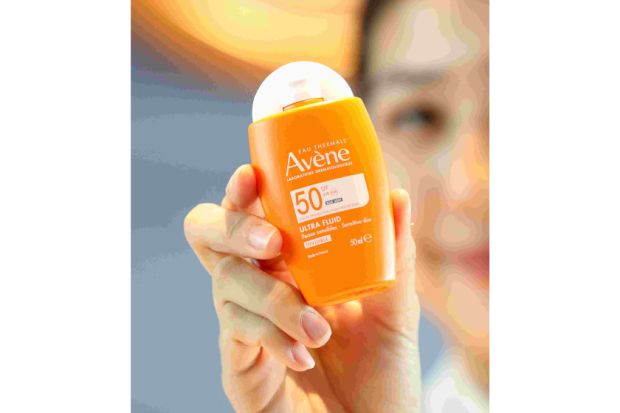
Recognising these modern lifestyle challenges, Eau Thermale Avene introduced its Ultra Fluid Range at an experiential event on July 30, 2026, positioning the collection as a response to the specific demands of contemporary daily routines. The range comprises four distinct sunscreen formulations, each engineered to address different skin types and conditions while remaining light enough for seamless daily use. This multi-variant approach reflects an understanding that effective sun protection requires products that fit effortlessly into diverse schedules and personal preferences; a sunscreen so heavy or cosmetically unpleasant that users avoid applying it provides no protection whatsoever.
Central to Avene's formulation is its patented TriAsorB sun filter, an advanced broad-spectrum technology designed to shield facial skin from both traditional ultraviolet radiation and the increasingly recognised threat of blue light. The filter's dual capability addresses the complete spectrum of photodamage relevant to modern lifestyles. By incorporating protection against high-energy visible light alongside conventional UVA and UVB defence, the product acknowledges that skin deterioration in the digital age involves exposure mechanisms that earlier generations of sunscreen formulations never anticipated. This comprehensive approach to photoprotection represents a meaningful evolution in how skincare science approaches the prevention of premature ageing.
The formulation philosophy underlying Avene's new range prioritises what the brand terms a "clean" composition, deliberately excluding silicone, alcohol, and controversial chemical filters. This restraint proves particularly significant for Southeast Asian consumers, many of whom live in climates that encourage frequent sunscreen reapplication and prolonged wear. Heavy, occlusive sunscreens that leave white residue or feel sticky against the skin often discourage consistent reapplication, undermining their protective efficacy. By engineering an ultra-fluid texture approximately twice as light as standard sunscreen formulations, Avene has addressed a practical barrier to compliance that affects many tropical-climate residents.
Pierre Fabre Singapore Pte Ltd's Asia export business director Cristiana Irimescu emphasised during the product launch that the new range resolves a persistent tension in suncare marketing: the false choice between prioritising skin health and maintaining cosmetic elegance. For decades, consumers faced sunscreens that either delivered robust protection but felt unpleasant to wear, or provided acceptable cosmetic feel while compromising on protective efficacy. This dichotomy proved particularly problematic in hot, humid climates where comfort significantly influences whether consumers actually apply and reapply products as recommended. Modern sunscreen chemistry, embodied in formulations like Avene's latest offering, increasingly eliminates this trade-off, enabling users to achieve genuine daily protection without sacrificing appearance or comfort.
The practical implications for Malaysian professionals and families extend across multiple domains of daily life. An office worker commuting through traffic, exposed to both direct sunlight through vehicle windows and blue light from navigation screens, receives continuous photodamage from multiple sources during a single morning. A parent running school runs and shopping errands under intermittently cloudy skies—conditions that provide false reassurance about sun exposure levels—accumulates significant cumulative damage across dozens of unremarkable afternoons. Even individuals who spend most of their time indoors face oxidative stress from office lighting and digital device use that accelerates skin ageing mechanisms. Recognising these varied exposure patterns, effective sun protection requires lightweight, texture-agreeable formulations that integrate seamlessly into whatever daily routine an individual maintains.
The emergence of more sophisticated sunscreen formulations also reflects broader shifts in how dermatological science understands and addresses skin health in modern contexts. Rather than positioning sun protection as an occasional protective measure or a summer-specific concern, contemporary skincare perspectives recognise photoprotection as integral to overall skin maintenance throughout the lifespan. This conceptual reorientation has practical consequences for Malaysian consumers accustomed to climates where sun intensity remains relatively consistent throughout the year, eliminating the seasonal variation that might justify protective intermittency in temperate regions. A Malaysian summer and winter both present equivalent photodamage risks, arguing powerfully for year-round, daily sun protection as non-negotiable skincare practice.
For Malaysian readers evaluating their own sun protection practices, the emerging evidence about cumulative daily exposure and blue light damage suggests that comprehensive skincare strategies must expand beyond traditional vacation-focused approaches. The lightweight, clean-formula formulations now entering the regional market remove practical obstacles that previously discouraged consistent daily application. Whether navigating between air-conditioned offices and humid outdoor environments, managing screen-intensive work days, or balancing family responsibilities across diverse indoor and outdoor settings, Malaysian consumers increasingly have access to sunscreen products designed to fit seamlessly into their specific lifestyles. The key insight underlying modern dermatological guidance remains simple yet profound: protecting skin from the ordinary photodamage of daily life, accumulated across hundreds of unremarkable days, ultimately proves far more consequential for long-term skin health than any effort directed toward occasional concentrated sun exposure events.

