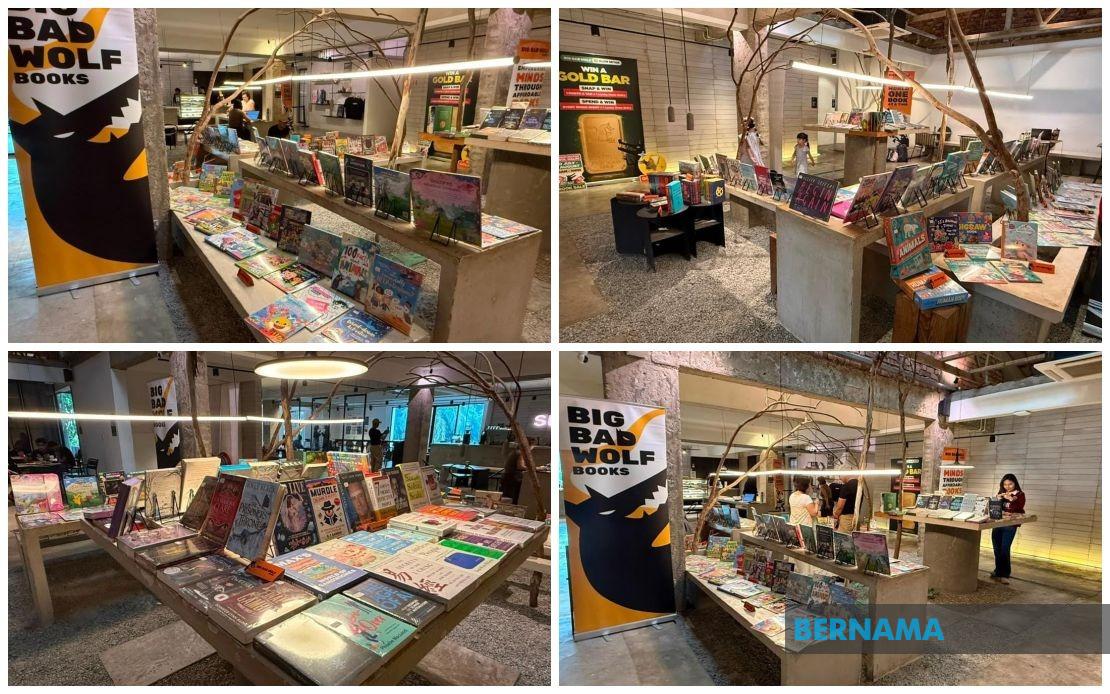
Malaysia's largest book fair, Big Bad Wolf Books, is set to make a triumphant return to Alor Setar next month, bringing with it a substantially refreshed catalogue designed to deepen the state's engagement with reading. The fair will operate from July 30 through August 9 at the Sultan Abdul Halim Stadium, opening daily from 10 am to 10 pm with complimentary entry for all visitors. This 11-day event represents a significant cultural initiative for Kedah, underscoring growing efforts across Malaysia to embed reading habits into communities beyond major urban centres.
The incoming edition features a deliberate shift in purchasing strategy, with organisers introducing 40 per cent entirely new titles to their shelves. This substantial refresh signals recognition that repeat visitors expect fresh inventory, while also demonstrating confidence that the Alor Setar market can support diverse literary offerings. According to Chloe Lim Sooi Yee, a representative for the fair, this curatorial approach balances between maintaining crowd-pleasing bestsellers and introducing readers to previously unavailable works. The strategy reflects broader market trends showing that Malaysian consumers, particularly in smaller cities, increasingly demand variety and choice when committing to book purchases.
Among the most noteworthy additions this year is the introduction of the 'Little Ummah' Islamic children's book collection to Kedah for the first time. This curated selection specifically targets families seeking age-appropriate religious content for young readers, filling a market gap that has been underserved in the state. The inclusion of this specialised collection suggests that Big Bad Wolf Books is adopting a more granular approach to community needs, recognising that Kedah's demographic composition warrants dedicated resource allocation toward culturally and religiously relevant materials. Such localisation strategies often prove decisive in converting casual fair browsers into committed customers.
The scale of this year's offering remains formidable, with organisers anticipating one million books across all categories and price points. Entry-level pricing begins at just RM3 per title, a figure that positions reading as genuinely accessible recreation rather than luxury consumption. More aggressively, the fair will offer discounts reaching 95 per cent on selected inventory, a promotional strategy that simultaneously clears slower-moving stock while creating perception of exceptional value. These pricing mechanics are central to Big Bad Wolf Books' brand identity, built explicitly around the principle of placing literature within financial reach of ordinary Malaysians regardless of income level.
Educational institutions will receive particular attention during the fair's run. The organisers plan direct outreach to multiple schools throughout Kedah, positioning the event not merely as retail opportunity but as curricular support mechanism. Students and educators who purchase a minimum of three books will qualify for an additional five per cent discount on top of the already substantial markdowns, effectively creating a tiered incentive structure. This institutional engagement serves multiple purposes simultaneously: it introduces younger generations to the fair as habit-forming experience, builds relationships with education authorities, and stimulates bulk purchasing that drives volume.
Beyond transactional mechanics, Big Bad Wolf Books frames this Alor Setar iteration as part of a broader mission to cultivate sustained reading culture across Malaysia. The organisation positions itself explicitly as infrastructure for knowledge democratisation, operating on the conviction that accessibility to affordable books drives literacy and intellectual engagement. This ideological foundation distinguishes the enterprise from purely commercial book retailers, lending it cultural legitimacy that extends beyond commercial transaction. For communities like those in Kedah, such positioning matters significantly, as it appeals to aspirational values around educational advancement and cultural participation.
The fair will incorporate gamified engagement mechanisms designed to heighten excitement and repeat visits. Dual promotional campaigns—'spend and win' and 'snap and win'—offer chances to win ten-gramme gold bars, converting the book purchase experience into entertainment event. These incentive structures acknowledge modern consumer psychology, recognising that competitive elements and tangible prizes drive foot traffic in ways that discounts alone cannot achieve. The campaigns effectively extend the fair beyond its primary function as commercial venue into experiential destination.
Organisers are targeting 35,000 visits across the eleven-day period, a figure that would represent substantial penetration of Alor Setar's urban population. This target suggests confidence in the appeal of a refreshed, better-stocked event, though it also implies realistic assessment of capture rates among the general public. For context, such attendance figures would require roughly 3,180 daily visits on average, achievable through combination of weekend surges and consistent weekday traffic from school groups and working professionals.
The return to Alor Setar carries particular significance for Kedah's broader cultural development trajectory. As a state that has historically received less attention from major cultural initiatives compared to Kuala Lumpur or Selangor, the Big Bad Wolf Books presence signals market recognition that provincial demand justifies investment. This economic validation often catalyses additional cultural programming, as other events and organisations see viability in their own regional expansion plans. For readers in Kedah, it represents affirmation that their preferences and purchasing capacity warrant consideration from national-scale enterprises.
Looking beyond the immediate commercial dimensions, Big Bad Wolf Books' model offers lessons for policy makers considering how to strengthen reading cultures across Malaysia. The integration of affordable pricing, community outreach, institutional partnerships, and gamified engagement demonstrates that cultivation of reading habits requires multi-faceted approaches rather than single interventions. The fair's presence in Alor Setar suggests that such strategies can function effectively outside metropolitan contexts, addressing persistent urban-rural divides in access to cultural products. As Malaysia continues navigating questions around educational standards and human capital development, initiatives that make knowledge economically and physically accessible become increasingly central to national competitiveness.

