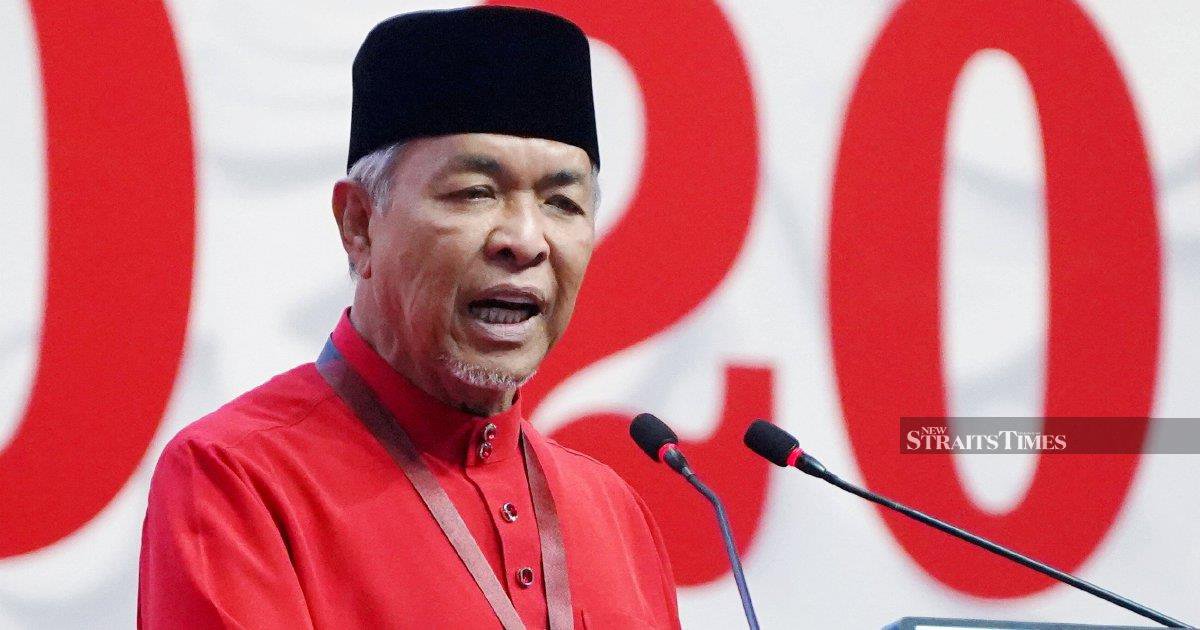
Datuk Seri Dr Ahmad Zahid Hamidi, steering both Barisan Nasional and Umno, has drawn a firm line on accountability, signalling that neither coalition nor party will shelter anyone implicated in wrongdoing once the Royal Commission of Inquiry into Tabung Haji completes its investigation. The statement carries weight as it comes from the helm of Malaysia's dominant political bloc, which has historically wielded significant influence over how institutional inquiries proceed and their aftermath.
The Tabung Haji predicament represents one of the most fraught institutional scandals facing the government, affecting the financial interests of millions of Muslim pilgrims who entrusted the savings scheme with hajj funds. The RCI's mandate extends to examining governance failures, financial mismanagement, and potential criminal breaches of trust—matters that could implicate figures across government and business circles. Zahid's pronouncement appears designed to preempt accusations of institutional self-protection, a charge that has damaged public confidence in previous inquiries.
The timing of Zahid's declaration merits scrutiny. Coming as the RCI conducts its investigations, the statement serves dual purposes: it reinforces the government's commitment to transparency while simultaneously establishing Umno's political positioning ahead of any findings. For Malaysian readers accustomed to seeing powerful individuals evade accountability through political patronage, such assurances often ring hollow until converted into demonstrable action through prosecutions, asset recovery, or resignations.
Tabung Haji's financial distress has created a crisis of confidence among the nation's Muslim community, who depend on the institution for pilgrimage financing and savings. The scheme's troubles stem from years of alleged mismanagement, questionable investments, and governance lapses that reportedly depleted reserves and reduced dividend payouts. An inquiry that delivers genuine accountability could restore faith in the institution, whereas a whitewashed investigation would deepen cynicism about institutional integrity.
For Southeast Asia more broadly, Malaysia's handling of the Tabung Haji matter signals how the region's governments approach accountability within faith-based institutions and government-linked schemes. Indonesia, Singapore, and other neighbours monitor such cases as bellwethers of governance standards. A robust response would enhance Malaysia's regional standing on institutional accountability; a softer approach would reinforce perceptions of selective justice.
Zahid's statement also reflects internal Umno dynamics. By publicly committing to consequences, the party leadership potentially insulates itself from accusations of covering for allies whilst simultaneously placing pressure on individual members to ensure they do not become liabilities. This creates internal incentives for voluntary withdrawals or distancing from implicated figures before findings are announced.
The RCI process itself carries procedural significance. Royal commissions in Malaysia possess investigative powers exceeding those of standard law enforcement, though their findings require separate prosecution initiatives. The separation between inquiry and prosecution has historically allowed governments to release damaging reports whilst avoiding follow-up legal action—a distinction that shapes public perception of whether accountability genuinely follows inquiry conclusions.
Stakeholders scrutinising Zahid's pledge include ordinary Tabung Haji depositors, civil society organisations monitoring institutional integrity, opposition parties preparing political challenges, and international observers assessing Malaysia's governance trajectory. Each group will evaluate the authenticity of the commitment through the concrete outcomes following the RCI's final report.
Historical precedent offers cautionary perspective. Previous major inquiries into governmental and institutional matters have yielded reports identifying wrongdoing without proportionate legal consequences, particularly when powerful figures faced potential liability. These patterns have created widespread public scepticism about whether political declarations of accountability translate into judicial action.
The coming months will prove instructive as the RCI approaches its conclusions. The inquiry's independence, the comprehensiveness of its findings, and most critically, the speed and substance of any prosecutions or disciplinary measures launched afterward will determine whether Zahid's statement represents genuine institutional reform or merely strategic positioning. For Malaysians and regional observers, these developments carry implications beyond one institution, touching fundamental questions about whether political assurances of accountability possess binding force or remain aspirational rhetoric.

