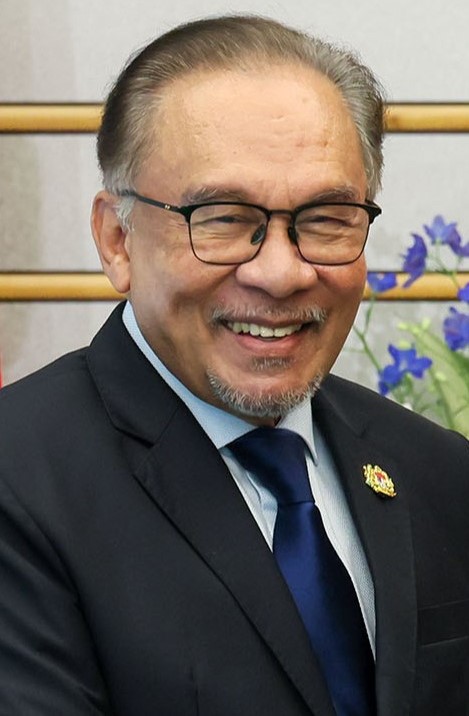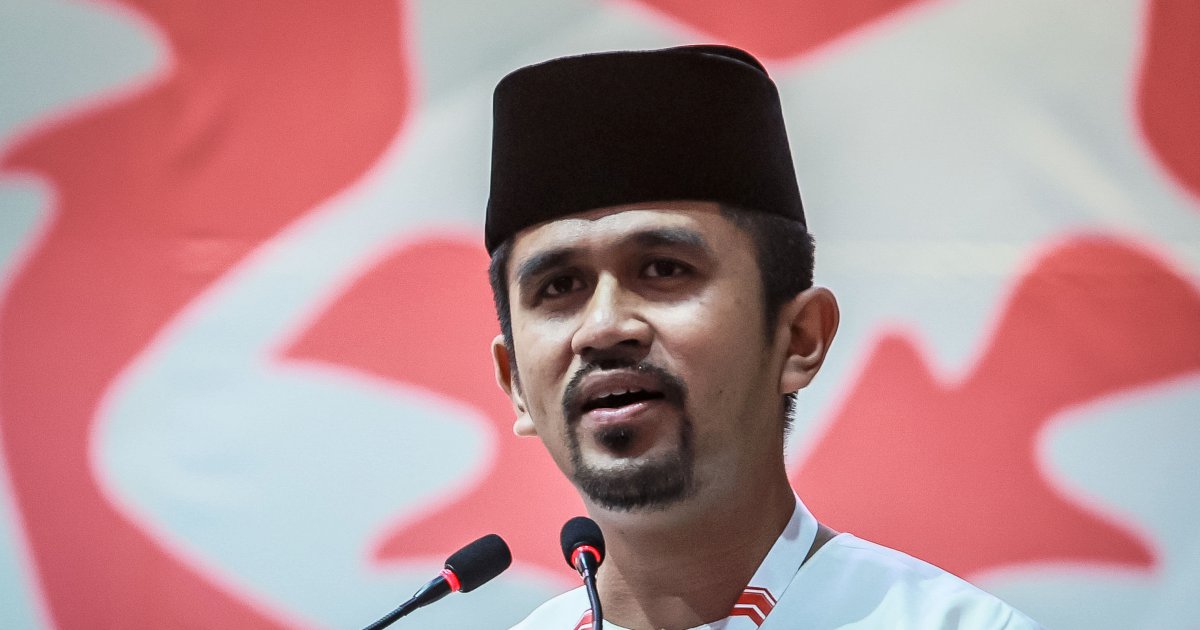
The Barisan Nasional Youth movement has launched a pointed critique of the Pakatan Harapan coalition's readiness for the forthcoming Johor state election, with Umno Youth secretary-general Hafiz Ariffin highlighting the conspicuous absence of several heavyweight figures from PH's announced candidate roster. His observation strikes at a fundamental question about the political strength and grassroots organisation of the opposition coalition in one of Malaysia's most strategically important states, where incumbent BN maintains a significant legislative foothold.
Johor holds particular significance in Malaysian electoral mathematics. As the nation's second-largest state by population and a traditional BN stronghold, the outcome of the July 11 election will serve as a crucial indicator of the broader political landscape heading into the next general election. Any shift in voter sentiment or party fortunes in Johor reverberate across the peninsula and shape perceptions of which coalition possesses genuine momentum at the national level.
Arifin's intervention raises substantive questions about PH's structural capacity in Johor specifically. The coalition has faced persistent challenges in consolidating its support base since the 2022 general election, with internal tensions between component parties—particularly PKR, DAP, and Amanah—occasionally surfacing over candidate selection and resource allocation. When prominent local leaders are excluded from competitive contests, observers interpret this as either a sign of internal disagreement over direction, a lack of confidence in particular individuals, or a strategic calculation that such figures might be better deployed elsewhere.
The timing of these remarks matters considerably. With nominations already concluded and campaigning underway, such criticism from BN's youth wing serves a dual purpose: it energises the coalition's own supporters by questioning opposition credibility whilst simultaneously attempting to plant doubts in the minds of swing voters about whether PH possesses adequate depth of talent to form a capable state government. In Malaysian electoral tradition, voters often weigh not merely policies but perceived organisational competence and leadership stability.
For the Johor electorate, the composition of candidate lists carries real implications. State assemblymen and women directly determine who sits in the Dewan Undangan Negeri and which coalition forms the government. Voters in marginal seats—particularly in mixed urban-rural constituencies where demographics and economic concerns cut across communal lines—often base their decisions partly on the perceived local standing and effectiveness of individual candidates. When established names are absent, local activists and ground supporters sometimes struggle to mobilise effectively.
The PH coalition's candidate strategy, whatever the underlying reasoning, reflects broader tensions within opposition politics in Malaysia. Since the 2020 Sheraton Move and subsequent government shifts, PH has operated in an environment of reduced national political momentum. The coalition must balance its need to inject fresh faces and younger leaders with the electoral challenge of deploying recognised names who carry credibility in their constituencies. That tension becomes particularly acute in states like Johor where BN retains structural advantages in rural and semi-rural areas.
Umno Youth's decision to amplify this issue publicly suggests BN strategists view PH's depth as a potential vulnerability to be exploited throughout the campaign. Rather than focusing solely on attacking PH's policies, the youth movement's intervention emphasises the contrast between a more unified BN with established leadership across all levels and a PH struggling to field its full arsenal of political talent. This narrative—whether accurate or exaggerated—can influence swing voters who harbour concerns about political stability and governmental readiness.
The broader context of Malaysian state politics reinforces why Arifin's remarks carry weight. Johor has been governed by BN for most of its existence since independence, creating institutional advantages in bureaucratic coordination, resource distribution, and political machine operation. If PH appears unable to mobilise its strongest figures—whether through choice or constraint—this perception of organisational difficulty compounds its existing disadvantages when competing in a state with entrenched incumbent structures.
For Malaysian observers watching these dynamics, the episode illuminates persistent challenges facing opposition consolidation. PH functions as a coalition of distinct parties with separate interests, membership bases, and leadership structures. Managing such an arrangement requires sophisticated internal negotiation over candidate selection, ensuring that each component party receives adequate representation whilst maximising the coalition's overall electoral prospects. When decisions result in high-profile figures being excluded, questions naturally arise about whether internal negotiations prioritised factional balance over electoral viability.
The July 11 Johor election will ultimately test whether PH's candidate selections prove strategically sound or whether BN's questioning proves prophetic. The result could either validate PH's assessment that the chosen candidates possess genuine appeal in their respective constituencies, or confirm sceptics' views that the coalition settled for second-tier figures when stronger alternatives existed. Either outcome carries implications beyond Johor's borders for the trajectory of Malaysian opposition politics in coming years.
For now, BN's youth wing has effectively placed PH on the defensive regarding its organisational coherence and leadership deployment in this crucial state contest. Whether such attacks penetrate voter consciousness or merely constitute routine campaign theatre will become clearer as polling day approaches. The fundamental question—whether premier PH figures' absence from the candidate roster reflects strategic wisdom or underlying weakness—remains genuinely contested terrain in Malaysian political analysis.