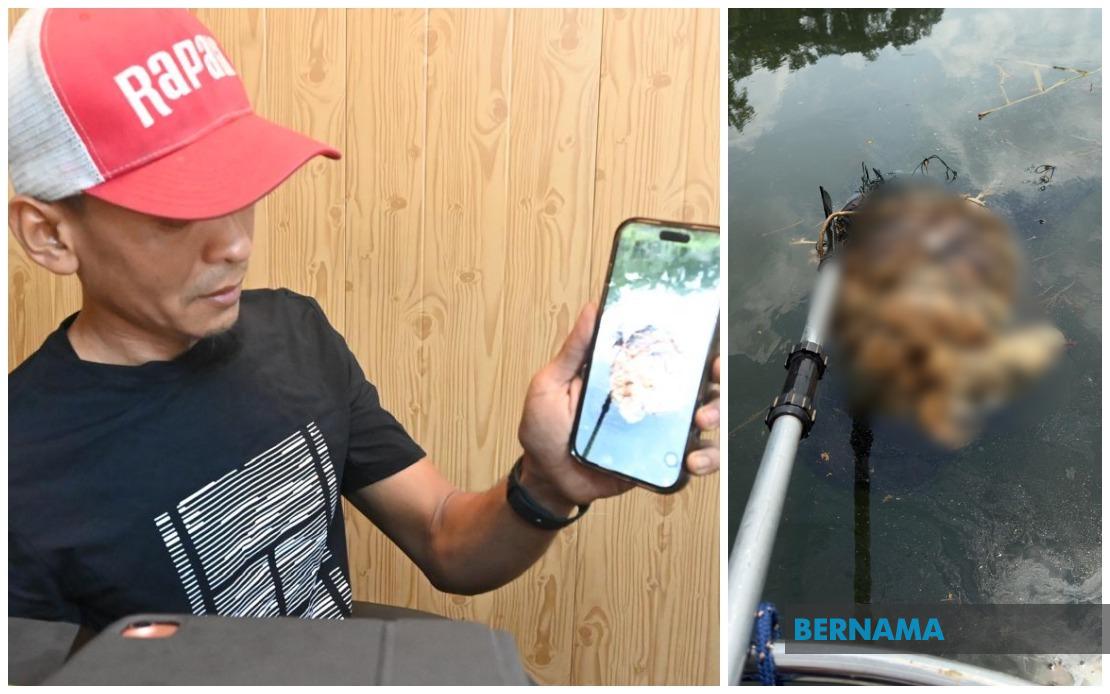
The discovery of a decomposed body in a Johor river has once again highlighted how accidental findings by ordinary citizens can unlock criminal investigations. On the morning of August 4, Muhamad Zul Fikri Borhanodin, a 33-year-old fisherman, was filming content related to his hobby at Sungai Tanjung Sembrong near Parit Raja in Batu Pahat when he encountered what would prove to be a significant criminal development. The discovery, made around 11 am, came after the fisherman's senses alerted him to something amiss in the waterway that runs through this Johor district.
At first, Muhamad Zul Fikri believed the floating object was nothing unusual for the location. Animal carcasses regularly wash downstream in this part of Malaysia's southern state, and the riverside dweller has developed a practiced eye for distinguishing between routine river debris and matters requiring intervention. However, the intensity of a putrid stench emanating from the spot and the sight of netting tightly wrapped around the object compelled him to investigate more closely. This decision to act on his instincts proved crucial to what unfolded next.
As Muhamad Zul Fikri moved closer to examine the object, he noticed a pair of jeans visible beneath the netting. This detail transformed his suspicion into alarming certainty that he had encountered human remains rather than animal waste. Drawing on years of navigating these waters, he immediately summoned assistance from a friend who was operating another vessel nearby. Together, they contacted authorities to report their macabre discovery, ensuring that the remains would be properly handled and investigated by official channels.
The experience was not entirely new for Muhamad Zul Fikri, who has been fishing at Sungai Tanjung Sembrong for over two decades and possesses intimate knowledge of the river's currents and seasonal patterns. Several years earlier, he had witnessed another body recovery at the same location when someone drowned in the river. That earlier incident had familiarised him with the procedures and the gravity of such discoveries, making his rapid response to this latest find all the more understandable. His long tenure as a fisherman had inadvertently positioned him as a witness to the darker aspects of what occurs in these waters.
Police received formal notification of the discovery at approximately 12.30 pm on the same day. The response from law enforcement was swift, with Johor's deputy police chief DCP Hoo Chuan Huat confirming that officers acted immediately to secure the scene and begin preliminary investigations. The initial focus centred on establishing the victim's identity and understanding the circumstances surrounding the death. Officers recognised that time was critical in pursuing leads while information was fresh and before potential suspects could flee the jurisdiction.
The investigative breakthrough came when police cross-referenced their findings with outstanding missing person reports. The victim's wife had filed a missing person complaint on July 29, expressing concern that her husband had vanished from Mutiara Rini in Iskandar Puteri. The timing aligned with the body's condition, suggesting the remains had been in the river for several days. This connection provided investigators with a potential family context and motive, narrowing the investigative focus considerably and offering a starting point for deeper questioning.
Within hours of the body's discovery, law enforcement moved to apprehend three male suspects in the Batu Pahat area. The three men, aged between 26 and 40, were taken into custody to assist with the investigation. Police have not yet disclosed the precise charges or the suspected roles these individuals may have played in the death, preferring to maintain operational security as the investigation develops. The swift arrests suggest that investigators possessed credible leads connecting the suspects to either the death itself or the circumstances surrounding the body's disposal in the river.
The case underscores a reality that Malaysian law enforcement regularly confronts: serious crimes sometimes come to light through chance encounters rather than proactive detective work. The involvement of Muhamad Zul Fikri and his documentary impulse created an unplanned but decisive intervention in what authorities suspect was a deliberate attempt to conceal a death. The wrapping of the body in netting and its placement in the river indicated premeditation, suggesting that someone had carefully attempted to prevent discovery and slow decomposition through concealment.
For Johor's investigative teams, cases involving bodies recovered from waterways present particular challenges. The Johor river system and its tributaries are significant geographic features spanning multiple districts, and currents can carry remains considerable distances from the point of disposal. Determining exactly where a body entered the water requires expertise and careful analysis of decomposition rates and water flow patterns. The involvement of multiple suspects suggests this may have been a collective effort rather than a solitary act, complicating the investigative narrative and raising questions about the relationships between those arrested.
The discovery also raises questions about public safety awareness in riverside communities. While Muhamad Zul Fikri's responsiveness saved valuable time, many members of the public might not have recognised the significance of their observations or known how to report them effectively. Police education campaigns in river communities, particularly in districts like Batu Pahat and surrounding areas, could improve the likelihood of early reporting in similar situations. Community engagement remains essential for solving cases that might otherwise languish unsolved.
As Johor police continue their investigation, the cooperation between citizens and law enforcement will likely prove essential to establishing what occurred and why. The discovery at Sungai Tanjung Sembrong serves as a reminder that criminal activity does not always remain hidden indefinitely, and that observant members of the public can play unexpected but vital roles in justice. For the victim's family, the recovery of remains offers both closure and the prospect of accountability, even as they grapple with the tragic circumstances surrounding the death.

