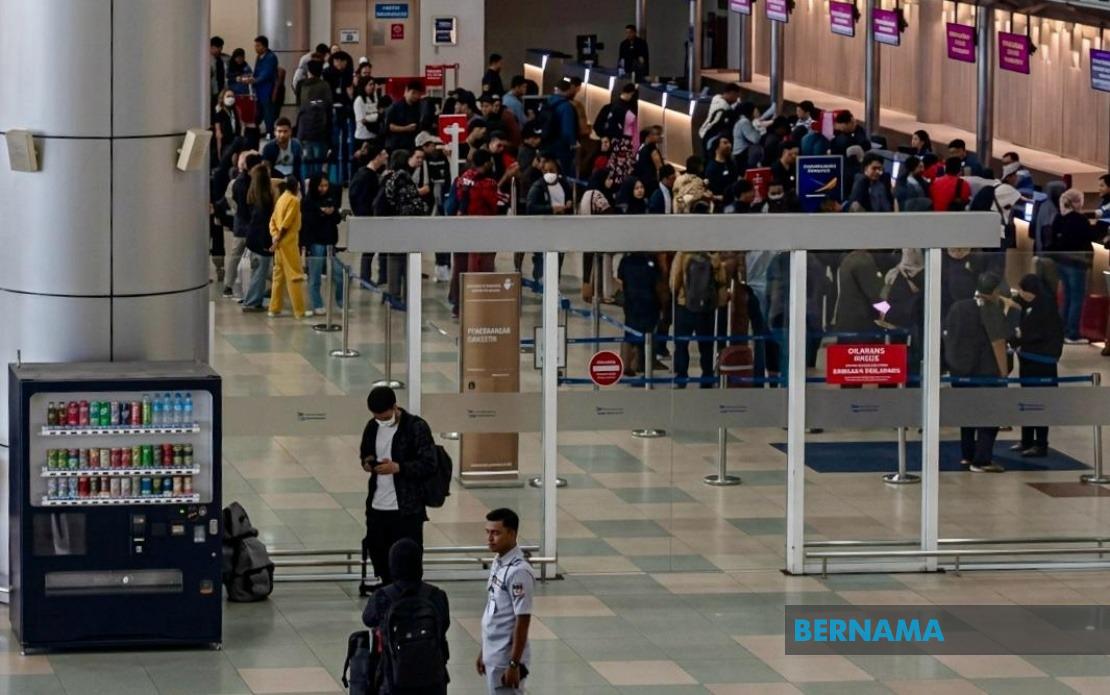
A significant disruption to air traffic in East Malaysia unfolded on June 26 when Labuan Airport temporarily shut down its runway following the discovery of explosive devices in proximity to the facility. The Royal Malaysian Air Force announced the closure through an official Notice to Airmen at 5pm, with no immediate timeline provided for reopening operations. The discovery, made 150 metres from the active runway, triggered immediate security protocols involving both military and civilian airport authorities in a joint inspection effort.
The temporary closure has created considerable logistical challenges across the region's aviation network. Flights scheduled to depart Labuan for key destinations including Miri and Kota Kinabalu were cancelled outright, while services to Kuala Lumpur and other points experienced cascading delays and operational modifications. Bernama's observations at the airport revealed that at least five scheduled departures—originally timed at 4.05pm, 5.15pm, 6.05pm, 6.15pm, and 7.25pm—fell within the affected window, requiring immediate passenger rerouting and rebooking efforts.
Labuan Airport serves as a critical transportation hub for Labuan's business and tourism sectors, handling connections that link the federal territory to major Malaysian cities and regional destinations. The runway closure represents more than a routine operational hiccup; it underscores the ongoing security challenges faced by aviation infrastructure in Malaysian Borneo. The timing of the incident, occurring during afternoon peak operations, maximised its disruptive impact across multiple flight schedules.
The discovery mechanism and circumstances surrounding how the explosives were identified remain unclear from available reports, though the response demonstrates established emergency protocols within Malaysia's aviation security apparatus. The RMAF's involvement signals the seriousness with which authorities treated the finding, deploying military resources alongside civilian personnel to conduct comprehensive safety inspections. This coordinated approach reflects standard procedures for threat assessment at civilian airports, prioritising passenger safety above scheduling considerations.
Passengers caught in the disruption faced immediate uncertainty regarding their travel plans. The airport issued guidance directing all affected travellers to contact their respective airlines for updated flight information before making their way to the terminal. For those with connecting flights onward from Labuan, the closure created potential cascading delays throughout their entire itineraries. Business travellers and tourists alike experienced disruption to carefully planned schedules, with some facing extended stays while awaiting alternative routing options.
The incident highlights vulnerabilities within regional airport security frameworks and the vulnerability of transportation hubs to unexpected threats. Labuan, as a federal territory with significant economic activity and an international profile, maintains strategic importance that extends beyond its resident population. The airport handles cargo operations alongside passenger services, meaning the closure also affected freight movements and time-sensitive commercial operations dependent on predictable air transport.
From a regional connectivity perspective, Labuan's disruption ripples through Southeast Asia's aviation network. Miri and Kota Kinabalu, both significant hub cities in their own right, experienced knock-on effects as diverted passengers sought alternative routing. Airlines operating on these routes must manage increased passenger loads on alternative flights while coordinating with ground handling, hospitality, and ground transportation providers across multiple cities. The incident demonstrates how a single security event at a regional airport can trigger system-wide adjustments.
The requirement for a complete runway inspection before operations resume reflects appropriate caution in aviation safety protocols. Authorities must not only address the immediate threat but also verify that no additional concerns exist along the runway surface or immediate surroundings. This comprehensive approach, while extending the disruption period, ensures that when operations resume, they do so with confidence that the facility meets all safety standards. The RMAF presence guarantees military-grade thoroughness in the inspection process.
For Malaysia's aviation sector broadly, the incident reinforces the critical importance of robust security measures at all airport facilities regardless of size or regional location. Labuan's experience demonstrates that security threats can emerge anywhere within the national airspace, requiring constant vigilance and rapid response capabilities. The coordination between military and civilian authorities proved effective in this instance, suggesting that Malaysia's aviation security framework possesses appropriate mechanisms for managing unexpected threats.
Travellers planning journeys through Labuan Airport in coming days should expect potential residual impacts even after runway reopening, as airlines work through accumulated backlogs and passenger rebooking requirements. Airlines serving the route have typically maintained flexibility in their scheduling to absorb such disruptions, but major closures create challenges that reverberate through multiple operating days. Passengers should monitor official airline communications rather than relying on published timetables until normal operations fully resume and schedules stabilise.

