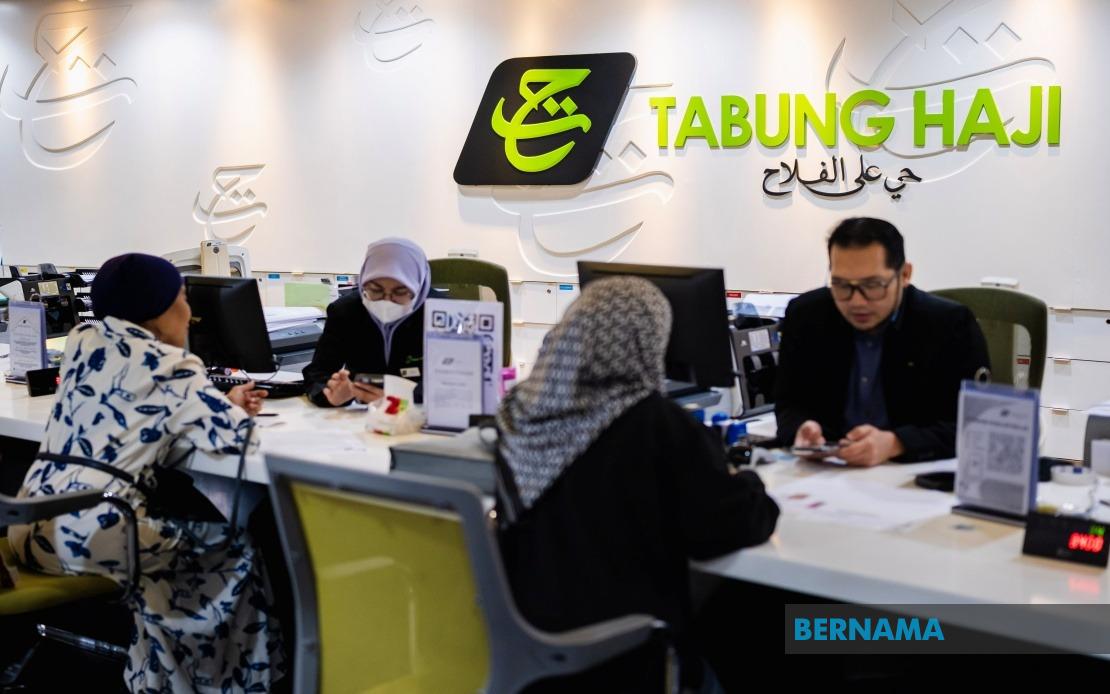
The path to redemption for Lembaga Tabung Haji hinges on a fundamental shift: stripping away the political machinery that has constrained the institution's decision-making and compromised its fiduciary responsibilities. With more than three-quarters of the Royal Commission of Inquiry's recommendations now in place, academic and policy experts are unanimous that the organisation's survival depends on demonstrating genuine operational independence from political pressure and partisan appointments.
The TH crisis revealed a troubling pattern where governance decisions became entangled with political interests rather than rooted in sound investment principles. Prof Dr Azmi Hassan of the Nusantara Academy for Strategic Research contends that this politicisation directly undermined professional standards and corporate discipline. The institution's struggles cannot be divorced from an environment where senior positions were awarded based on political loyalty rather than expertise, and where board decisions faced scrutiny through a political lens. For depositors—particularly the country's Muslim community saving for the haj pilgrimage—this erosion of institutional integrity represented a breach of sacred trust.
The appointment of professionals untethered from political party machinery represents more than administrative housekeeping. Prof Hassan argues this change is essential for restoring confidence among the millions who depend on TH for their pilgrimage savings. The challenge lies in convincing political stakeholders to relinquish control over an organisation that manages substantial funds and holds symbolic importance. When every major decision becomes fodder for political commentary, as occurred when RCI findings were tabled in Parliament, TH cannot function as a genuinely independent financial steward.
Malaysia already possesses a proven model for how professional institutions should operate. The Employees Provident Fund and Permodalan Nasional Berhad demonstrate that organisations managing national assets can thrive when insulated from political interference. Dr Mohd Amim Othman of Universiti Putra Malaysia emphasises that the nation has no shortage of capable professionals ready to lead TH—the obstruction lies purely in political unwillingness to cede control. This points to a fundamental governance question: whether politicians will accept that delegating authority to professionals serves the broader national interest more effectively than maintaining direct oversight.
The Al-Rawda investment in Saudi Arabia exemplifies the dangers of politically-influenced decision-making. This investment, which became TH's largest loss, proceeded despite incomplete due diligence processes. Dr Saizal Pinjaman of Universiti Malaysia Sabah observes that political interference creates conditions where investment risks are overlooked or downplayed, particularly when information gaps exist. Professional boards with genuine autonomy would have halted such commitments pending thorough analysis. This pattern—where incomplete information and political pressure combined to drive poor investment choices—must not recur. True independence requires management teams empowered to reject proposals that fail rigorous professional scrutiny, regardless of external pressure.
However, independence cannot mean unaccountability. The recommendations regarding ministerial powers and board oversight mechanisms must create a framework where professional autonomy coexists with robust regulatory supervision. TH's board requires the freedom to make objective decisions without political interference, yet external auditing and oversight structures must ensure that freedom is exercised responsibly. This balance—independence coupled with transparency—distinguishes genuine governance reform from merely shifting political control to different actors.
The institution's recovery extends beyond structural reform. TH faces an urgent demographic challenge: declining contributions from existing members risk starving investment funds at precisely the moment they need growth to compensate for past losses. Younger Malaysians, watching TH's crisis unfold, have grown sceptical of the organisation's viability and management competence. Dr Mohd Amim advocates aggressive product diversification, including enhanced property offerings and investment options that appeal to younger savers. Yet no product innovation can succeed if depositors lack basic confidence in institutional integrity and professional stewardship.
The symbolic rehabilitation of TH represents a broader challenge for Malaysian institutions. Dr Noor Nirwandy Mat Noordin stresses that TH must be perceived as serving societal interests rather than narrow political or commercial advantage. For Malaysia's Muslim community, TH holds deep cultural significance as an institution embodying Islamic financial principles and facilitating one of Islam's five pillars. Rebuilding this symbolic authority requires demonstrating that the organisation prioritises depositors' welfare above all other considerations.
Transparency forms the cornerstone of this rehabilitation effort. When TH's decision-making processes remain opaque, stakeholders default to suspicion. Enhanced disclosure about investment rationale, risk assessment, and performance metrics would allow independent scrutiny and rebuild confidence that decisions reflect professional judgment rather than hidden political agendas. Engaging external experts to advise on competitiveness and economic trends further signals that TH welcomes outside perspectives and professional input.
For Malaysian policymakers, the TH crisis offers sobering lessons about institutional vulnerability to political capture. Organisations managing crucial national functions—particularly those serving religious communities and safeguarding savings—require structural protections that make political interference difficult regardless of which party holds power. This might involve legislation restricting ministerial authority over board appointments, professional qualification requirements for senior positions, and independent oversight mechanisms with genuine enforcement capacity.
The RCI recommendations represent an opportunity to institutionalise these protections before political pressures inevitably mount again. As memories of the crisis fade and new political priorities emerge, the inclination to restore traditional control mechanisms will resurface. Building governance safeguards now—while the lessons remain fresh—offers the best insurance against future degradation. Malaysia's Muslim depositors, the broader financial system, and the nation's governance standards all depend on whether political leaders possess the discipline to respect professional boundaries they have drawn.
TH's future ultimately rests on a political choice: whether leaders will accept that true stewardship sometimes requires surrendering direct control. The institution's recovery is technically feasible with competent management and sound strategy. Yet without genuine independence from political interference, no structural reform will suffice. The confidence TH desperately needs can only be rebuilt through demonstrated commitment to professional integrity, institutional independence, and unflinching accountability to depositors rather than political masters.

