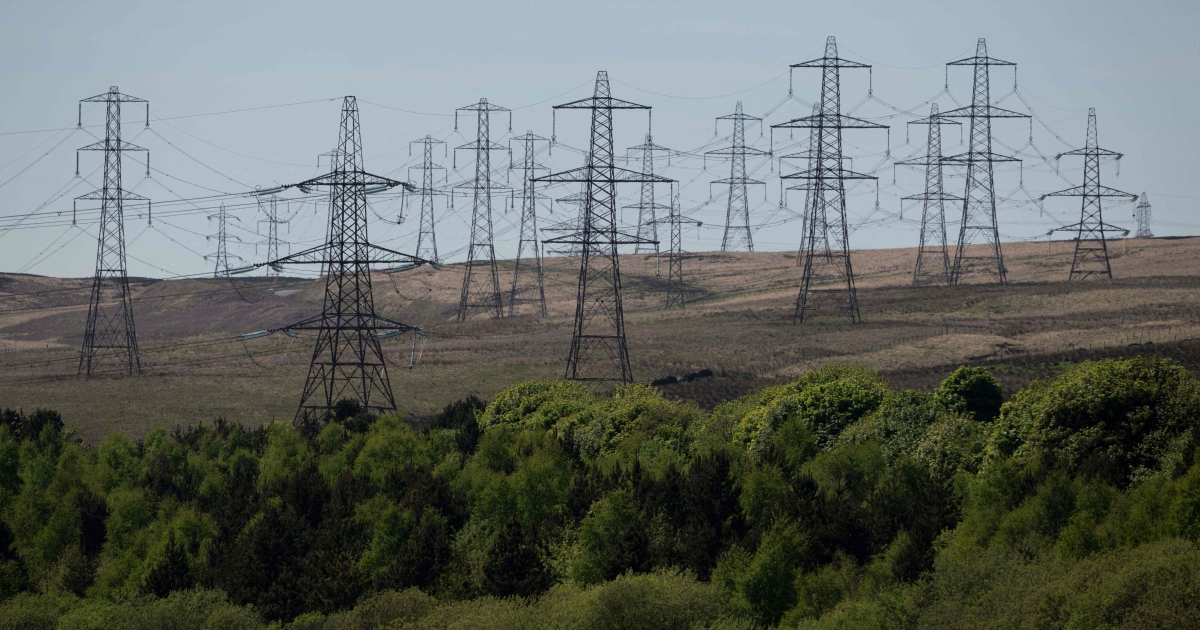
Andy Burnham, Britain's newly appointed Prime Minister, has announced plans to reduce taxes imposed on household electricity bills, according to a statement released by Downing Street on Tuesday. This initiative represents an immediate policy action aimed at providing relief to British households grappling with elevated energy expenses, a cornerstone of the government's broader agenda to tackle the persistent cost-of-living pressures that have dominated public discourse across the United Kingdom.
The electricity tax reduction sits at the forefront of Burnham's early policy commitments, reflecting the administration's determination to demonstrate swift action on economic hardship faced by ordinary citizens. Energy bills have emerged as a politically sensitive issue in Britain, with households facing substantial increases over recent years that have contributed significantly to inflationary pressures on family budgets. By prioritising tax relief on electricity consumption, the new government is signalling that energy affordability will be central to its economic strategy during the coming term.
For Malaysian observers, the British government's focus on energy tax policy offers relevant parallels to regional energy challenges. Southeast Asian nations, including Malaysia, have similarly grappled with balancing energy subsidies, taxation, and affordability, particularly as global energy markets have become more volatile. The British approach of directly reducing tax burdens on utilities rather than implementing broader subsidies represents one policy pathway that regional governments continue to evaluate within their own economic frameworks.
The cost-of-living crisis that prompted Burnham's initiative has affected households across Western economies unevenly, with lower-income families experiencing disproportionate pressure on their household budgets. Electricity represents an essential utility with limited flexibility in consumption patterns, making tax relief on bills a high-impact policy tool for improving immediate household finances. This approach contrasts with temporary subsidy programmes and reflects a structural adjustment to the tax system itself.
Downing Street's announcement underscores the political urgency surrounding energy affordability in contemporary British governance. The incoming administration inherited an economic landscape marked by stubborn inflation, elevated borrowing costs, and constrained public finances, all of which complicate the implementation of expansive fiscal interventions. A targeted electricity tax cut allows the government to claim meaningful relief for households while managing broader fiscal constraints, representing a strategic policy choice within limited budgetary parameters.
For the region, Burnham's election and immediate policy choices signal broader shifts in Western political economies. The success or failure of British energy tax policies will likely inform discussions within Malaysian and Southeast Asian policy circles regarding how governments can most effectively support household finances during periods of economic stress. Energy policy remains interconnected with competitiveness, industrial development, and social stability across the region.
The implementation timeline and specific design of the electricity tax reduction remain subjects for detailed government announcements. Tax structures on utilities vary considerably across jurisdictions, and the mechanism through which Burnham's government executes the reduction—whether through adjustments to value-added tax, excise duties, or other levies—will shape its practical effectiveness and distributional consequences across different household income groups.
Britain's electricity market reflects decades of privatisation and regulatory evolution, creating a complex landscape where tax policy interacts with regulated utility pricing, wholesale market dynamics, and supplier competition. Understanding how tax reductions will translate into actual bill reductions for consumers depends partly on how electricity suppliers respond to changes in their own tax burdens. This relationship between policy intent and market-mediated outcomes remains a persistent challenge in energy sector governance across developed and developing economies alike.
The timing of Burnham's announcement suggests that economic relief for households features prominently in his government's political calculation and policy architecture. Political leaders in Malaysia and throughout Southeast Asia continue to monitor how Western governments navigate the intersection of fiscal responsibility and popular demands for economic relief, particularly as energy remains central to both household welfare and industrial competitiveness. The British precedent may inform regional discussions about optimal policy mixes for addressing similar cost-of-living challenges without undermining longer-term fiscal sustainability or energy sector resilience.
Looking forward, the success of this electricity tax initiative will likely depend on complementary policies addressing other dimensions of household cost pressures, including housing, transportation, and food expenses. A singular focus on energy taxation, while politically visible, represents only partial response to broader affordability challenges. The Burnham government's willingness to combine tax relief with other interventions across multiple sectors will ultimately determine whether this announcement achieves its stated objectives of meaningfully easing the cost-of-living crisis affecting British households and restoring public confidence in government economic management.

