A catastrophic wildfire raging across British Columbia remains beyond the control of emergency responders, though Sunday brought cautiously optimistic reports that the rate of expansion is finally beginning to decelerate. The inferno has already scorched more than 100 square kilometres of the province's landscape, displacing tens of thousands of residents from their homes and triggering one of the season's most severe evacuation operations. Provincial authorities acknowledge the perilous situation while noting the modest gains made as the fire front approaches natural geographical boundaries that may help contain its progression.
The human toll of this disaster has grown substantially, with more than 20,000 people ordered from their homes and approximately 10,000 properties now directly threatened by advancing flames. Emergency services coordinated a dramatic helicopter rescue operation that extracted more than 50 stranded residents who found themselves trapped by the rapidly moving fire. The Royal Canadian Mounted Police are simultaneously investigating an unconfirmed fatality report, underscoring the life-threatening conditions residents faced during hasty evacuations.
A critical turning point in the fire's trajectory appears to be its arrival at Okanagan Lake, where the natural water barrier is expected to slow the wildfire's relentless eastward advance. This geographical feature represents the kind of natural firebreak that firefighting experts have sought throughout the emergency response. The shift from explosive growth to a more moderate expansion rate, though hardly a cause for celebration, provides emergency coordinators with slightly more breathing room to establish defensive positions and protect remaining structures in threatened areas.
The town of Summerland, home to approximately 12,000 residents, has become the focal point of emergency protection efforts as the fire front closes in on its outer suburbs. Firefighting crews are concentrating resources on defending residential properties on the community's periphery, prioritizing structures that still lie within the danger zone. The determination to hold this line reflects not only the imperative to protect lives and homes but also the strategic importance of preserving a major population centre in the region.
Canada's federal government has mobilized substantial resources to support the provincial emergency response, committing to provide temporary accommodation for displaced families and pledging additional financial and logistical support. Minister of Emergency Preparedness Eleanor Olszewski announced via social media that federal assistance requests from British Columbia have received approval, signalling Ottawa's recognition of the catastrophe's scale and the provincial government's urgent needs. This coordinated federal-provincial response reflects the reality that disasters of this magnitude exceed the capacity of single jurisdictions to manage alone.
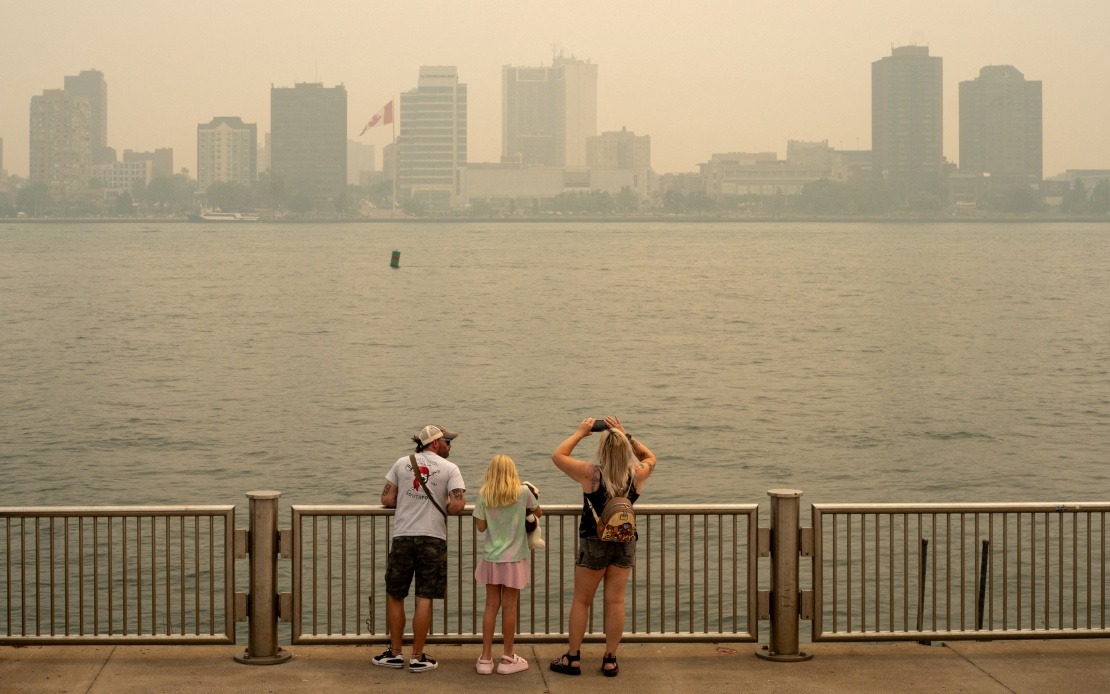
The firefighting operation faces persistent obstacles from climatic conditions that are deliberately hostile to containment efforts. Extreme heat and prolonged drought have transformed the landscape into a tinderbox, while thick smoke blankets the region and hampers aerial observation and water-dropping operations. Meteorologists predict that these unfavourable conditions will persist, meaning that even as the fire's rate of expansion decelerates, suppression efforts will remain extraordinarily challenging and resource-intensive throughout the coming days.
International cooperation has emerged as a crucial component of British Columbia's firefighting arsenal, with personnel and expertise arriving from Mexico, Australia, and New Zealand. These overseas firefighting teams bring specialized knowledge from their own wildfire experiences and augment stretched Canadian resources. The participation of Southern Hemisphere nations, many of which face their own severe fire seasons during opposite seasons, demonstrates how nations increasingly cooperate on disaster response in an era of intensifying climate-related emergencies.
The situation must be understood within the broader context of Canada's unprecedented wildfire crisis this year. British Columbia alone has recorded more than 100 separate fires in recent weeks, with approximately half of them remaining uncontained and posing ongoing threats to communities across the province. Other major Canadian provinces including Ontario and Quebec are simultaneously battling extensive wildfires of their own, straining the nation's emergency response infrastructure and personnel across multiple fronts.
For Malaysian and Southeast Asian observers, this Canadian wildfire serves as a stark reminder of how climate change is intensifying extreme weather phenomena in distant regions that nonetheless have implications for global systems. The scale of displacement, the mobilization of military and civilian resources, and the need for international cooperation all mirror challenges that Southeast Asian nations may increasingly face. The inadequacy of existing emergency frameworks when confronted with unprecedented disaster scenarios offers sobering lessons for regional policymakers considering their own disaster preparedness strategies.

