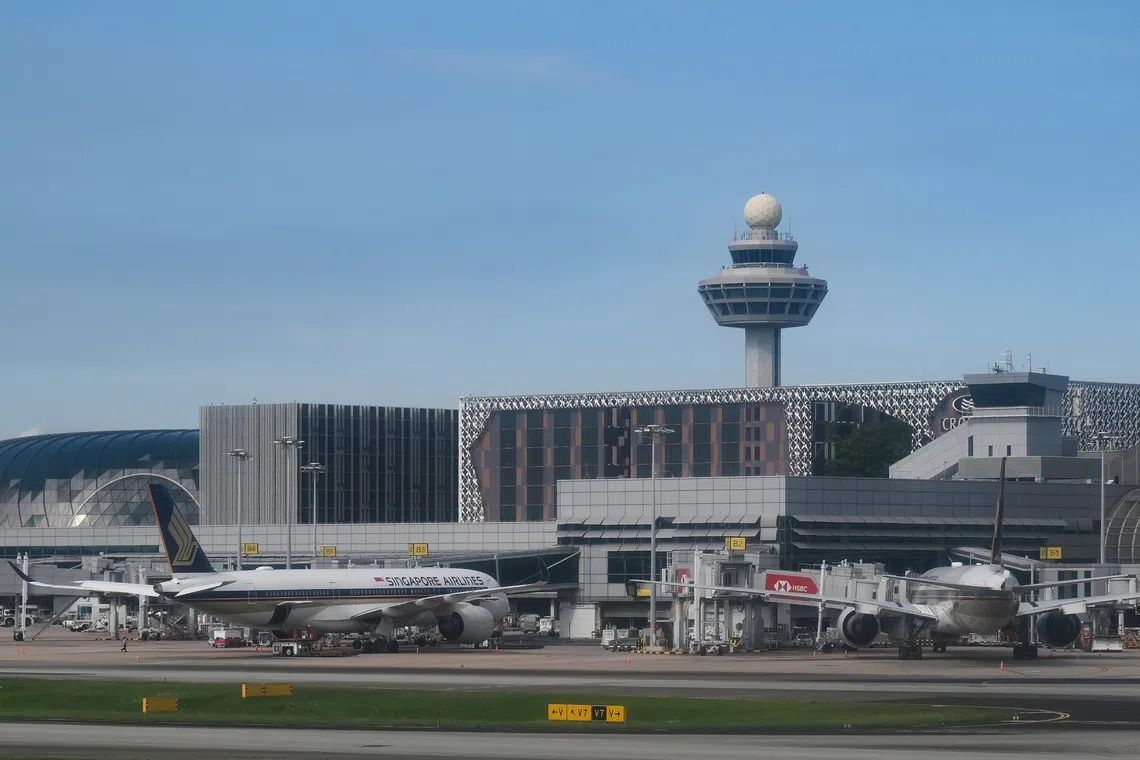
Singapore authorities are preparing to charge a 25-year-old British national with multiple offences stemming from a disruptive incident at Changi Airport Terminal 1 that resulted in a 45-minute departure delay for a flight bound for Kuala Lumpur. The case highlights persistent challenges faced by aviation and security personnel in managing intoxicated passengers, a recurring issue across the region's busy travel hubs.
Police responded to a disturbance call on July 20 at approximately 4.05pm, when airport and airline personnel reported a passenger behaving disruptively at a boarding gate. Officers conducting the investigation concluded that the man appeared to be intoxicated, during which time he engaged in loud conversation and shouting that disrupted other passengers waiting to board the aircraft. The incident escalated when airline staff attempted to address his behaviour and speak with him directly about the disturbance.
When approached by two members of the airline's ground staff, the individual became confrontational, directing vulgar language and abusive remarks at one of the staff members. In response to this escalating behaviour, the airline made the decision to prevent him from boarding the flight, citing his intoxicated condition as a safety and operational concern. This decision, though standard procedure at airports worldwide, triggered an aggressive response from the passenger rather than acceptance or compliance.
After being informed of his removal from the flight, the man's conduct deteriorated markedly. He allegedly forced his way past airline personnel in an attempt to reach the aircraft, breaching a restricted area of the airport terminal that is secured specifically for safety and security reasons. During this forceful passage, one female staff member sustained physical injuries, falling to the ground and sustaining damage to her left arm and wrist. The aggressive actions and continued use of vulgarities directed at airport security personnel extended the flight's ground time by three-quarters of an hour, affecting not only the delayed passengers but also crew schedules and downstream operations.
The incident underscores the vulnerable position of airline and airport workers who face increasingly aggressive behaviour from passengers, a problem that has intensified in recent years across global aviation. In Southeast Asia, where regional travel volumes have surged, such confrontations place additional strain on customer-facing staff who lack robust physical protections in boarding areas. The injury sustained by the staff member in this case is not uncommon, though many incidents go unreported or are handled informally by airlines reluctant to prosecute.
Prosecutorial authorities filed charges against the man covering three distinct offences, each with escalating penalties. The first charge concerns causing annoyance while intoxicated in a public place, an offence reflecting Singapore's strict approach to disorderly behaviour fuelled by alcohol. Conviction on this charge carries a maximum fine of S$1,000, imprisonment for up to six months, or both. The second charge relates to using threatening, abusive, or insulting words or behaviour, with potential penalties reaching a fine of up to S$5,000. These charges reflect the conduct he displayed toward airport staff during the incident.
The most serious charge addresses unauthorised entry to a protected area, a criminal offence that reflects the heightened security environment surrounding airport operations globally. This charge carries substantially harsher penalties: a fine of up to S$20,000, imprisonment for up to two years, or both. This higher threshold recognises that breach of airport security zones represents not merely disruption but a genuine security concern with implications extending beyond the immediate incident. Prosecution under this provision sends a clear signal about the seriousness with which Singapore's authorities regard unauthorised access to restricted airport infrastructure.
The case carries relevance for Malaysian readers and travellers, given that the delayed flight was operating the Kuala Lumpur route and that many Malaysian nationals transit through Changi Airport regularly. Cross-border incidents involving disruptive passengers, particularly those involving intoxication and physical altercations with staff, have become increasingly common across Southeast Asian airports as travel volumes expand. Malaysia's own airports have dealt with similar situations, raising questions about consistent regional standards for managing such incidents and the coordination between airlines and national authorities.
The incident also highlights broader questions about passenger screening and early intervention. Airlines and airport operators throughout the region are investing in training staff to recognise early warning signs of intoxication or problematic behaviour before situations escalate to the point of physical confrontation. Singapore's swift police response and clear prosecutorial path may serve as a model for other jurisdictions in the region seeking to establish credible deterrents against aggressive airport behaviour.
For the airline industry operating in Southeast Asia, this case reinforces the necessity of empowering ground staff with authority to make passenger management decisions without fear of contradiction or legal challenge, while ensuring that passengers understand the consequences of non-compliance. The injury to the staff member and the significant operational delay created ripple effects throughout the terminal's operations that extended beyond the single flight affected. From a legal and operational standpoint, the charges laid reflect a comprehensive approach to addressing the multiple dimensions of the passenger's misconduct, from public nuisance to assault and security breach.

