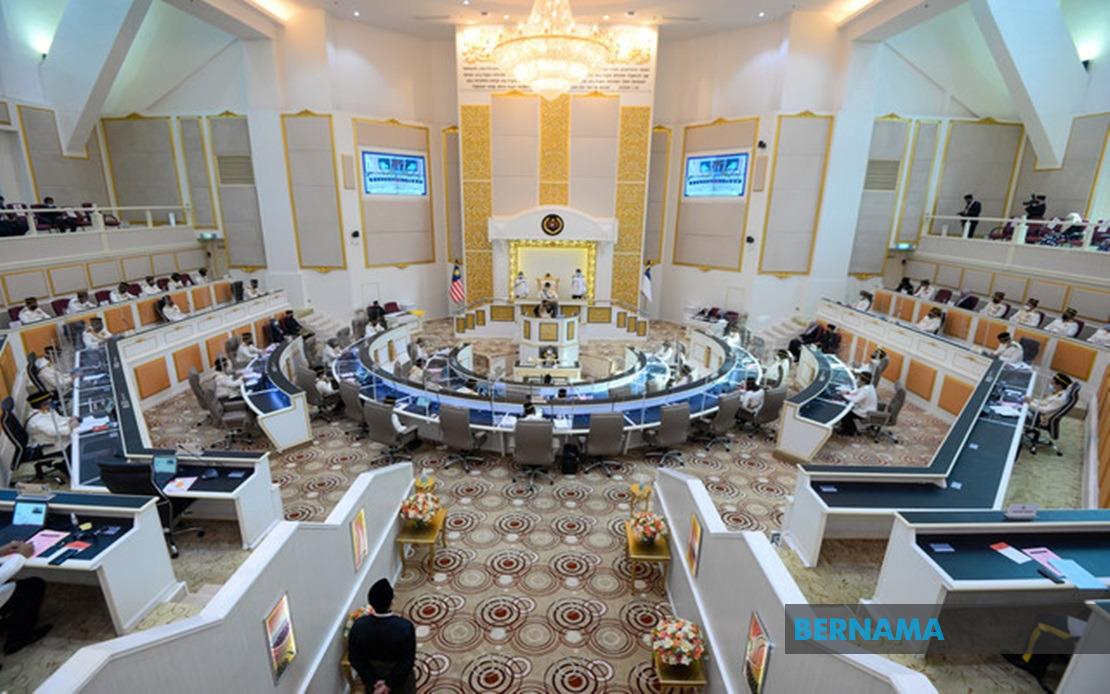
The Melaka state government is expecting a critical funding decision on the proposed Type 3 Bukit Rambai Health Clinic to materialize when Parliament tables the 2027 Budget this October. The announcement came during a state assembly session, with Datuk Ngwe Hee Sem, chairman of the State Health, Human Resources and Unity Committee, detailing the proposal's progression through Malaysia's budgetary system. The initiative has already been formally lodged with the Ministry of Economy under the Rolling Plan 2 (RP2) framework of the 13th Malaysia Plan (13MP), positioning it for serious consideration in the coming fiscal year.
The project represents a significant healthcare infrastructure upgrade for a region that has experienced growing population pressures on existing medical facilities. Site preparation work has already been completed at the designated location, which will be positioned directly across from the current Bukit Rambai Health Clinic. This strategic placement will allow for complementary operations and easier patient routing between facilities. The state has envisioned an implementation timeline spanning three years from commencement, meaning the clinic could potentially commence operations by 2030 if budget approval proceeds as anticipated.
Beyond simply expanding physical space, the new facility aims to fundamentally transform the healthcare landscape for Bukit Rambai residents and neighbouring communities. The clinic will introduce radiology services with on-site X-ray capabilities, a critical addition for diagnostic imaging that currently requires patient referrals elsewhere. Dental care will be significantly enhanced with a dedicated unit equipped with five dental chairs, addressing a substantial service gap that has likely led to patient backlogs and longer waiting periods.
The proposal also emphasizes preventive and specialized care dimensions often absent from smaller facilities. Nutrition and dietetics services will support chronic disease management and health promotion initiatives. Optometry services will improve access to vision care, while physiotherapy and occupational therapy will serve post-injury rehabilitation and elderly care populations. Speech therapy services address developmental and acquired speech disorders, particularly valuable for paediatric and stroke recovery cases in the community.
Mental health support represents another critical addition through counselling psychology services, reflecting growing awareness of psychological well-being within Malaysia's healthcare framework. Medical social work services will help bridge clinical care with community resources, assisting patients navigating financial hardship, housing issues, or family crises that impact treatment adherence. These ancillary services acknowledge that health outcomes depend not solely on clinical expertise but on addressing socioeconomic barriers to care.
The expanded clinic will substantially strengthen Melaka's outpatient service capacity, currently under strain from population growth in the Bukit Rambai district. Emergency response capabilities will be enhanced with improved facilities and staffing potential, reducing response times for acute presentations. Maternal and child health services, including antenatal screening and postnatal support, will benefit from better infrastructure and wider specialist availability.
Laboratory and pharmacy functions will be expanded, enabling faster test turnaround and medication availability without requiring external referrals. Health promotion and disease prevention programmes can be scaled more effectively with dedicated spaces and resources. School health services, covering routine medical inspections and immunization campaigns, will operate more efficiently through the upgraded facility.
For the broader Melaka health system, this development addresses a critical gap in intermediate-level primary care facilities. The Type 3 designation indicates a facility more advanced than basic clinics but below hospital level, precisely matching regional healthcare needs. Reducing waiting times and congestion has direct implications for patient satisfaction and clinical outcomes, particularly for chronic disease management where timely follow-up visits prove essential.
The budgetary pathway through Rolling Plan 2 reflects Malaysia's medium-term planning approach, embedding healthcare projects within broader developmental frameworks. The 13th Malaysia Plan represents the government's five-year strategic blueprint, and infrastructure projects like this clinic compete for resources alongside transportation, education, and economic initiatives. Successfully winning approval in the 2027 Budget would validate the project's alignment with national priorities and its assessed feasibility.
For Malaysian readers, this proposal exemplifies how state governments pursue incremental healthcare improvements through established planning channels. The detailed service expansion demonstrates serious needs assessment, moving beyond generic facility upgrades to address specific diagnostic and therapeutic gaps. For Bukit Rambai residents, successful budget approval would translate to substantially improved healthcare accessibility without requiring travel to distant hospitals for routine diagnostic or specialized services.
The 2027 Budget timing carries practical significance given Malaysia's budget cycle and parliamentary scheduling. October tabling allows implementation planning throughout late 2024 and into 2025, with potential groundwork commencing in early 2025 if approved. This timeline, while extending several years into the future, reflects realistic infrastructure development requiring procurement, detailed design, and contractor engagement phases.
Successful delivery would contribute to Melaka's positioning as a healthcare destination within the region, with improved facilities potentially attracting medical professionals and supporting economic activity. The clinic's comprehensive service profile also aligns with Malaysia's broader healthcare modernization agenda, emphasizing integrated care delivery and patient-centred facility design. For policymakers tracking health infrastructure development across Malaysian states, the Bukit Rambai project represents how systematic planning translates community healthcare needs into concrete facility improvements through established budgetary mechanisms.

