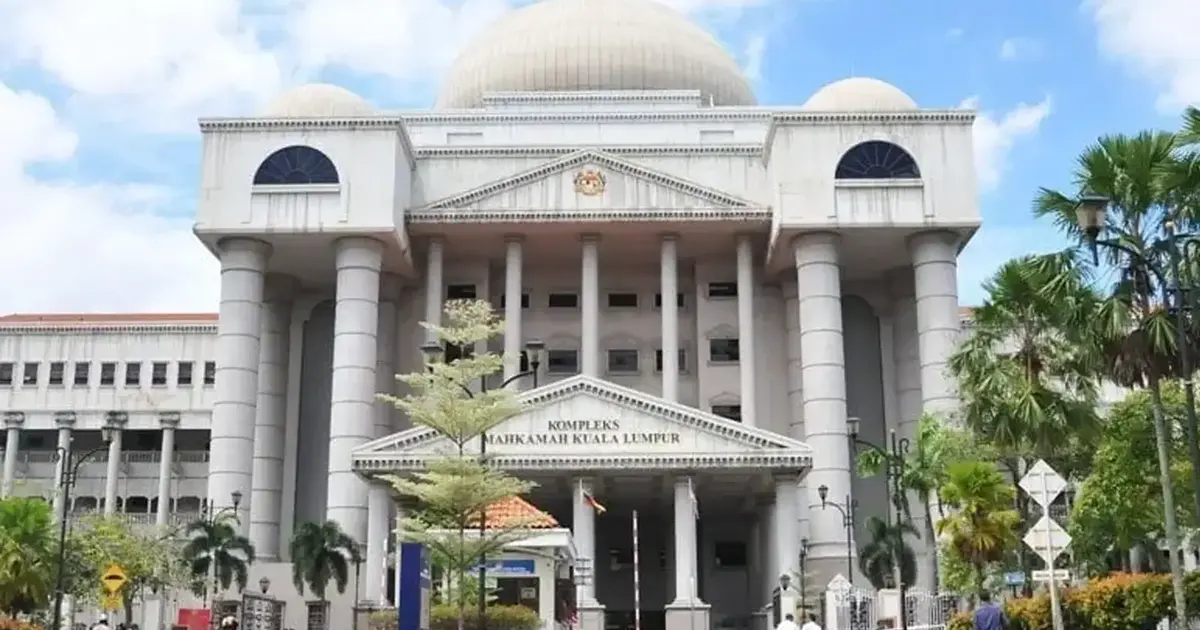
A Malaysian businessman has secured a substantial defamation award after successfully challenging a major Chinese-language newspaper over allegations that falsely connected him to orchestrating an assault on a lawyer. The High Court ruling in favour of Yeoh Ee Seong, who was awarded RM400,000 in damages against Sin Chew Media Corporation Bhd, underscores the continuing tension between press freedom and the protection of individual reputation in the country's legal landscape.
The dispute centred on a newspaper report published by Sin Chew that contained implications suggesting Yeoh was the mastermind orchestrating an attack on a lawyer. Rather than being presented as speculation or investigation, the report's framing created a direct association between Yeoh and the violent incident. This distinction between reporting on an event and implying culpability became central to the court's assessment of whether defamatory material had been published.
Defamation cases in Malaysia typically require plaintiffs to demonstrate that a publication has made false statements that damaged their reputation, were communicated to third parties, and caused measurable harm. The High Court's decision indicates that the judge found Sin Chew Media's reporting met these criteria. The RM400,000 award suggests the court considered the reputational damage significant, particularly given the serious nature of the allegations—linking a person to orchestrating violence carries profound implications for their standing in business and society.
For Malaysian media organisations, the judgment serves as a reminder of the boundaries surrounding investigative reporting and the consequences of insufficiently substantiated claims. While journalists and publications retain protections under defamation law for reporting matters of public interest based on reasonable grounds, those protections do not extend to publishing unverified accusations that directly implicate individuals in criminal conduct. The distinction between fair reporting and reckless publication remains contested but consequential.
The case also reflects broader questions about accountability mechanisms in Malaysia's media ecosystem. Chinese-language newspapers play a significant role in serving the country's substantial Chinese-speaking population, yet like all publications, they operate within legal constraints designed to prevent harm to individual citizens. This judgment may prompt editorial reassessment at Sin Chew and other outlets regarding verification processes before publication, particularly when reporting involves allegations of criminal conduct.
Yeoh's successful litigation demonstrates that Malaysian courts remain available as a recourse for individuals whose reputations have been damaged by false or misleading media reports. However, the practical reality is that pursuing defamation suits is expensive, time-consuming, and carries no guarantee of success. Many potential plaintiffs with legitimate grievances may lack the resources or determination to see a case through to judgment, creating asymmetries in who can effectively challenge inaccurate reporting.
The RM400,000 figure warrants consideration in context. In international defamation cases, awards can reach millions, particularly in jurisdictions like the United Kingdom or United States. By that standard, the Malaysian award is relatively modest. Yet within the Malaysian context, where average incomes are lower, the sum represents meaningful compensation and carries symbolic significance regarding the court's assessment of reputational harm.
From a broader Southeast Asian perspective, this case fits into patterns of litigation between media and prominent figures that have occurred across the region. Thailand, Singapore, Indonesia, and the Philippines have all seen defamation cases involving newspapers and individuals claiming damage from reporting. The outcomes vary depending on each jurisdiction's specific legal frameworks and judicial interpretations, but the underlying tension—between media freedom and personal reputation—remains universal.
For Malaysian businesses and public figures, the judgment reinforces the value of monitoring media coverage and understanding available legal remedies. Defamation insurance and proactive reputation management have become increasingly relevant strategies for those concerned about adverse publicity. The case also illustrates why media literacy matters; understanding how allegations are framed in reporting and what constitutes evidence versus implication can be valuable for readers assessing credibility.
Looking forward, this judgment may influence editorial practices within Sin Chew and the broader Chinese-language media sector in Malaysia. Publications typically review significant legal losses to identify systemic improvements in their verification and editorial processes. The financial cost, combined with reputational consequences of losing a defamation case, creates strong incentives for procedural refinement.
The ruling additionally touches on questions of digital permanence. Unlike print editions that age and fade from prominence, online versions of the newspaper report can remain accessible indefinitely, potentially extending the period during which reputational damage continues. This reality may inform how future damages are calculated and demonstrates why plaintiff concerns about online publication often exceed those regarding print-only circulation.
Ultimately, the High Court's decision in Yeoh's favour represents an assertion that Malaysian law protects individuals against false accusations published through major media channels. While the case will likely encourage Sin Chew and other publications to exercise greater caution, it simultaneously reinforces that defamation law, though sometimes contentious, serves a legitimate function in preventing deliberate or reckless damage to reputation through false publication. The balance between these competing interests—press freedom and individual protection—remains imperfect but codified in Malaysian judicial precedent.

